
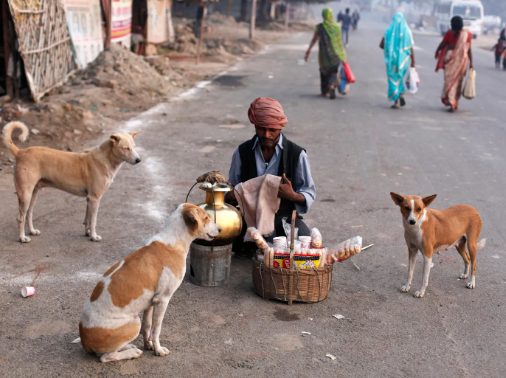
Stray dogs often evoke feelings of compassion and concern in those who encounter them. However, you may have noticed that some of these animals shy away from human interaction, despite our best efforts to reach out. Understanding the reasons behind this behavior can help us develop a deeper empathy for these creatures and improve our approach to helping them.
1. Traumatic Past Experiences
One of the primary reasons some stray dogs refuse human contact is their traumatic past experiences. Dogs that have been abused or neglected often associate humans with fear and pain. This can lead to a defensive behavior where the dog perceives any human as a potential threat. For instance, a dog that has previously faced violence might react aggressively or choose to flee when approached by a person, even if that person has good intentions.
Moreover, many stray dogs have had limited or negative exposure to humans throughout their lives. If they were raised in an environment without adequate socialization and positive interactions, they might develop a general distrust of people. This lack of positive reinforcement can make them more hesitant and afraid when confronted with human interaction, leading them to keep their distance.
-
- Be patient and give the dog space.
-
- Observe body language to gauge comfort levels.
-
- Use calm, soothing tones when speaking.
-
- Offer food or treats from a distance to build trust.
-
- Avoid sudden movements that might startle the dog.
2. Instinctual Survival Behaviors
Stray dogs often rely on their instincts for survival, which can lead to avoidance of human contact. These animals have learned that staying away from potential threats—such as humans—can increase their chances of survival in a harsh environment. For example, when a dog hears loud noises or senses unfamiliar smells, its instinctive reaction may be to run away rather than approach a human.
This instinctual behavior is particularly strong in dogs that have spent a significant amount of time living on the streets. They develop an acute awareness of their surroundings, becoming attuned to any signs of danger. In this context, humans might be perceived as unpredictable and potentially harmful, further solidifying their reluctance to engage.
-
- Recognize that avoidance is a survival strategy.
-
- Provide a safe space with minimal disturbances.
-
- Use familiar scents or toys to create a sense of security.
-
- Engage in non-threatening activities nearby, like sitting quietly.
-
- Gradually introduce new experiences in a controlled manner.
3. Lack of Socialization and Reinforcement
Another significant factor contributing to a stray dog’s reluctance to engage with humans is a lack of socialization and positive reinforcement. Dogs that haven’t had the opportunity to interact with people during their critical developmental stages are less likely to feel comfortable around them. Socialization is essential for puppies—without it, they may grow into fearful and anxious adults.
In contrast, dogs that have had positive exposures to humans—through play, training, or consistent feeding—tend to be more trusting and willing to engage. For stray dogs lacking these experiences, the concept of human companionship might be entirely foreign, causing stress and anxiety when approached. For instance, a puppy that has consistently received gentle petting and treats from children will grow up expecting similar interactions, as opposed to a dog that has been completely isolated.
-
- Encourage socialization with well-behaved dogs.
-
- Provide gentle introductions to new people.
-
- Utilize positive reinforcement techniques during training.
-
- Encourage regular and structured interactions.
-
- Observe and respect the dog’s comfort levels.
4. Health Issues and Fear Responses
Health problems may also play a significant role in a stray dog’s refusal to interact with humans. Many stray dogs are exposed to harsh living conditions that can lead to various health issues, which may make them more irritable or fearful. For instance, pain from an untreated injury or illness like mange may cause a dog to react aggressively out of discomfort, or they may simply want to avoid the stress of interactions.
Additionally, fear responses can be heightened when a dog doesn’t feel well. Fear can manifest not just as avoidance but also through defensive behaviors, such as growling or snapping. When approached by a human, the dog may feel threatened and, consequently, may react negatively due to the pain or discomfort they are experiencing.
-
- Consult a veterinarian to check for health issues.
-
- Provide regular and proper veterinary care.
-
- Observe for signs of pain or distress in the dog.
-
- Monitor for behavioral changes after treatment.
-
- Maintain a calm environment that minimizes stress.
Understanding why some stray dogs refuse human contact is vital to improving interactions with them. Awareness of traumatic past experiences, instinctual behaviors, lack of socialization, and potential health issues can guide us in extending compassion effectively. By following the outlined tips and respecting each dog’s individual journey, we can create safer and more welcoming environments for these deserving animals.