
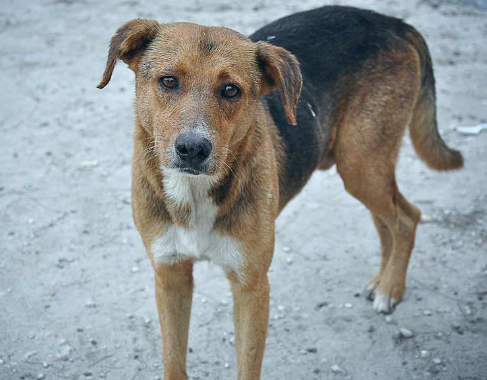
Adopting a stray dog can be a rewarding experience, but it comes with its own set of challenges. One of the most important virtues to cultivate during this process is patience. In the world of stray dog rescue, patience can significantly enhance not only the dog’s adjustment period but also the overall success of the rescue operation.
1. Understanding the Background of Stray Dogs
Stray dogs often come from traumatic backgrounds that can affect their behavior and trust levels. Many of these dogs may have experienced neglect, abuse, or abandonment that impacts how they interact with humans and their environments. For instance, a dog that was once hit by a car may be fearful of vehicles, making it essential for rescuers to approach them cautiously and understandingly. Learning about a stray dog’s past, either through their behavior or through speaking with previous owners, is crucial in tailoring your rescue approach.
Moreover, stray dogs may have lived on the streets with little human interaction. This lack of socialization can make them apprehensive around people or other pets. It’s essential to give them the time they need to adapt and recognize that not all humans pose a threat to them. Creating a safe space where the dog can feel secure helps build this bridge of trust and ultimately leads to better rescue outcomes.
-
- Spend time observing the dog’s behavior before attempting a rescue.
-
- Research common behaviors of stray dogs for better understanding.
-
- Consider using a calm voice and slow movements when approaching.
-
- Prepare a secure and quiet space for the dog upon rescue.
2. The Role of Patience in Training and Socialization
Once a stray dog is in a safe environment, patience plays a critical role in their training and socialization. Stray dogs often require more time to acclimate to house rules, commands, and social interactions compared to shelter or bred dogs. For example, it might take weeks or even months for a stray to respond to basic commands like “sit” or “stay.” The key here is to reinforce lessons with positive reinforcement, rewarding small victories instead of expecting immediate results.
Additionally, socializing a stray dog should be approached with care and compassion. Exposing them to new experiences, people, and environments slowly can help reduce anxiety. Letting a dog take the lead in discovering their surroundings can boost their confidence and help them adjust. The transformation might be slow, but with time and patience, these dogs can become loyal companions.
-
- Set realistic goals for training and socialization timelines.
-
- Use positive reinforcement to encourage good behavior.
-
- Allow the dog to explore new environments at their own pace.
-
- Be consistent with commands and training exercises.
3. Building Long-Term Bonds through Patience
Building a strong bond with a stray dog requires time, understanding, and a whole lot of patience. Many stray dogs may have difficulty trusting their new caregivers due to their backgrounds. It’s vital to engage in activities that foster trust, such as daily walks, gentle grooming, or simply sitting quietly together. Over time, these shared experiences can create a sense of security and bonding.
Moreover, the effects of patience can often lead to extraordinary transformations. A previously skittish dog may blossom into an affectionate, loyal pet, showcasing the importance of commitment during the recovery and adaptation process. These bonds not only improve the dog’s quality of life but also bring joy to the caregivers. Witnessing a stray dog reclaim their confidence can be one of the most rewarding experiences in rescue work.
-
- Engage in regular, quiet activities that encourage bonding.
-
- Observe and respect the dog’s boundaries to enhance trust.
-
- Celebrate small milestones to maintain motivation in the journey.
-
- Incorporate daily routines to give the dog structure.
4. Impact of Community Support on Patience in Rescues
Patience isn’t just a personal trait; it’s a community-driven value that can enhance stray dog rescue outcomes. Communities that support local rescue efforts can create an environment where patience flourishes. Whether it’s through volunteer programs, foster networks, or educational workshops, community involvement can help educate potential dog adopters about the importance of taking the time to understand and nurture their rescued pets.
Furthermore, local rescue organizations often provide resources, including behavioral specialists and training programs. Collaborating with these experts can equip you with techniques to approach training with a patient mindset. Engaging with fellow rescuers not only fosters a sense of camaraderie but also offers valuable insights and support to navigate the challenges of rescue work.
-
- Participate in community educational workshops on dog behavior.
-
- Join local rescue groups for support and shared experiences.
-
- Share your success stories to inspire others in the community.
-
- Engage in fundraising efforts to provide better resources for dog rescues.
In conclusion, cultivating patience is essential for successfully rescuing and rehabilitating stray dogs. By understanding their backgrounds, focusing on training, building bonds, and engaging with the community, we can improve outcomes significantly. If you’re considering a stray dog rescue, take the time to educate yourself and be prepared for a rewarding journey ahead.