
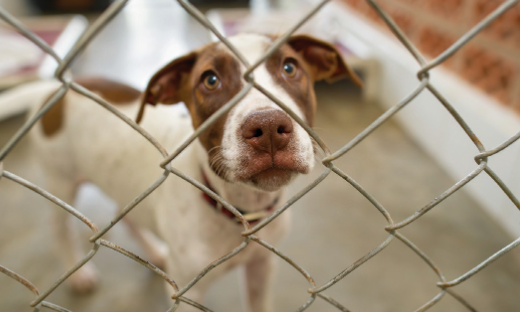
Rescuing stray dogs is a noble endeavor that not only improves the lives of these animals but also benefits the communities they inhabit. However, the legal aspects surrounding stray dog rescue can be complex and sometimes daunting. Understanding these legalities can equip rescuers with the necessary knowledge to navigate any challenges they may face.
-
Legal Considerations for Stray Dog Rescue
When embarking on a stray dog rescue mission, it’s crucial to understand the laws that govern animal welfare in your area. Different states and municipalities have varying regulations regarding the capture and adoption of stray animals. For instance, some places may require specific permits or licenses to rescue and keep strays, while others may stipulate reporting requirements to local animal control agencies.
Moreover, rescuers often face challenges related to ownership and liability. If a stray dog is captured and later identified as belonging to someone else, the rescuer may be legally obligated to return the animal. Familiarizing yourself with local leash laws, stray animal ordinances, and anti-cruelty statutes is imperative to avoid legal repercussions.
Research local animal control laws.
Check for specific permits needed for rescue.
Understand the guidelines for stray dog ownership.
Stay informed about spaying/neutering regulations.
-
Liability and Insurance Issues
Liability is a major concern for individuals and organizations involved in stray dog rescue. If a rescued dog causes harm to another person or pet, the rescuer could potentially face legal claims. This reality underscores the importance of liability insurance, which can provide peace of mind and financial protection for rescuers.
It’s worth noting that many nonprofit organizations dedicated to animal welfare have specific insurance requirements. These may include general liability coverage as well as specific coverage for animal-related incidents. Much like a small business, a rescue group must consider its risks carefully and consult with a legal expert to ascertain the best coverage options.
Consult with an insurance specialist about animal-related liability.
Evaluate the risks associated with each rescue.
Research requirements for nonprofit status and insurance.
Create waiver forms for volunteers involved in rescues.
-
Adoption and Foster Care Regulations
Once dogs have been rescued, they often require foster care or need to be placed for adoption. Each state has its guidelines about how these processes should be managed. In many areas, rescues must conduct home checks and provide adoption contracts to guarantee the new home meets specific standards.
Moreover, some regions may enforce spay/neuter laws that require all adopting families to sterilize the dog before finalizing the adoption. In these cases, the rescuer must ensure they are compliant with local regulations to avoid fines or complications. Being meticulous in the adoption process not only ensures legal compliance but also enhances the chances of a successful dog-owner match.
Create a standard adoption contract.
Implement a home-check procedure for potential adopters.
Ensure all legal documentation is in order before placement.
Facilitate spay/neuter procedures as required by law.
-
Responsibilities of Rescuers and Community Impact
Rescuers play a crucial role in reducing the population of stray dogs and promoting community welfare. However, they must also acknowledge their responsibilities to the animals and the community they serve. This includes maintaining humane treatment of strays, providing medical care, and facilitating adoptions in a responsible manner.
Additionally, educating the public about responsible pet ownership can significantly impact the stray dog population. Initiatives such as community workshops on spaying/neutering, responsible pet care, and the importance of adopting rather than buying pets can lead to long-term benefits for both animals and the community. Rescue groups may also use creative public displays, such as a dog sculpture at adoption events or awareness campaigns, to draw attention to the issue of stray animals and inspire more people to get involved.
Host educational workshops on responsible pet ownership.
Advocate for stricter cruelty laws and animal protection acts.
Collaborate with local shelters for joint programs.
Encourage community involvement in rescue initiatives.
Engaging in stray dog rescue is not only about the animals; it’s also about understanding your legal responsibilities and community impact. By educating yourself on these aspects, you can better navigate the challenges of rescue, ensuring that both you and the animals you help are protected. Take the next step by seeking guidance from local animal control or legal professionals to clarify any uncertainties you have about stray dog rescue laws.