
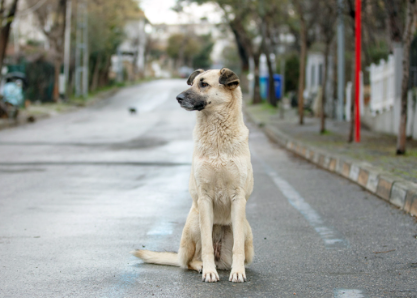
Stray dog populations are a growing concern for neighborhoods around the world. While it may seem like a distant issue, strays impact community health, safety, and harmony. Understanding why every neighborhood should care about stray dog rescue can lead to more compassionate and effective solutions.
1. The Health Risks of Stray Dogs
Stray dogs can pose significant health risks to both humans and other pets in the neighborhood. When dogs are roaming freely without vaccinations, they can carry diseases such as rabies, parvo, and leptospirosis. These illnesses can spread quickly, particularly among other dogs, and can even pose risks to humans, especially children and the elderly who may be more susceptible to infections.
Additionally, unvaccinated stray dogs can impact local wildlife, leading to imbalances in local ecosystems. It’s essential for communities to recognize that the health of strays directly affects the overall well-being of their neighborhoods.
-
- Encourage locals to vaccinate their pets to create a barrier against diseases.
-
- Organize community health drives focusing on pet vaccinations and neutering.
-
- Install informative signage in areas known for stray activity to raise awareness.
-
- Develop a local volunteer group to monitor and report the health conditions of stray dogs.
2. The Safety Challenge: Strays and Community Interactions
Interactions between stray dogs and residents can sometimes lead to dangerous situations. Stray dogs may exhibit unpredictable behavior due to fear or trauma, which can escalate into aggressive encounters. Children playing outside or individuals walking alone are at particular risk for unexpected confrontations, leading to injuries or fear among community members.
Moreover, bites from stray dogs can lead to legal ramifications for local authorities if they are not managed properly. It is crucial to advocate for responsible stray dog management to ensure community interactions remain safe and positive.
-
- Establish a community task force focused on tracking and managing stray situations.
-
- Host community workshops on how to behave around stray dogs to reduce fear and anxiety.
-
- Educate the public about recognizing signs of aggression in dogs.
-
- Collaborate with local animal control to set up protocols for safely capturing strays.
3. The Importance of Responsible Pet Ownership
One of the main causes of stray dog populations is irresponsible pet ownership, leading to abandonment or failure to spay/neuter. Educating the community about the responsibilities of pet ownership can have far-reaching effects in minimizing stray populations. When pet owners understand the significance of spaying and neutering their pets, they contribute to a healthier, more sustainable pet population.
Furthermore, fostering a culture of responsible pet ownership encourages families to adopt rather than purchase. This approach not only saves lives but also allows communities to recognize the value of animals and the companionship they offer. Engaging schools and families in discussions about pet responsibility can create lasting changes.
-
- Organize educational seminars about responsible pet ownership in local communities.
-
- Promote partnerships with local veterinary clinics for discounted spay/neuter services.
-
- Launch a local adoption campaign focusing on the joys and benefits of adopting pets.
-
- Encourage friend-to-friend pet ownership programs to share knowledge and foster accountability.
Stray dog rescue is not solely a responsibility for animal welfare organizations; it requires dedication and participation from the whole community. By understanding the health, safety, and ownership implications, neighborhoods can work towards sustainable solutions that benefit both the pets and the residents.
Community involvement is key to making a difference in stray dog populations. By adopting best practices, educating others, and collaborating on solutions, neighborhoods can ensure a safer and healthier environment for everyone. Let’s take the first step and engage our communities in this vital cause!