
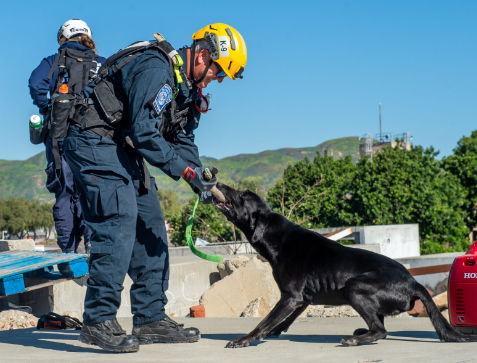
Emergency response and disaster-based stray dog rescue is an urgent and compassionate initiative that saves the lives of vulnerable animals. When catastrophic events strike, stray dogs often become stranded, abandoned, or injured. Understanding how to act in these situations not only helps the dogs but can also foster a sense of community and responsibility.
1. Understanding the Crisis
Disasters, both natural and man-made, can create chaotic environments that leave stray dogs in peril. Hurricanes, earthquakes, and wildfires often result in lost pets and abandoned dogs, creating an immediate need for rescue efforts. These animals may suffer from physical injuries, exposure, and trauma, which makes prompt intervention essential.
For instance, following a hurricane, many neighborhoods experience an influx of stray dogs as families evacuate or become displaced. In such scenarios, local shelters quickly become overwhelmed, and organizations may need volunteers and resources to help manage the increasing dog population. Understanding these dynamics is crucial for effective emergency response and community engagement.
-
- Stay informed about local disasters and their impacts on animals.
-
- Collaborate with local animal shelters for coordinated efforts.
-
- Train volunteers in basic dog handling and first aid.
-
- Foster a community of empathy to promote dog rescue initiatives.
2. Planning for Rescue Operations
Rescue operations require thorough planning and resources to ensure the safety and well-being of both the rescuers and the animals. Develop a strategic plan outlining the roles and responsibilities of each team member during a disaster. Identify safe locations for sheltering rescued dogs and establishing communication channels for updates on rescue statuses.
Utilizing local resources like veterinary clinics, animal shelters, and volunteers can significantly enhance the effectiveness of rescue operations. Organizing a supply list that includes food, water, first-aid kits, and simple dog traps will prepare your team for rapid response during emergencies. Proper logistics can mean the difference between life and death for many stray dogs.
-
- Create a clear rescue operation plan.
-
- Establish connections with local veterinarians and shelters.
-
- Organize supply drives to gather necessary equipment.
-
- Conduct training exercises to practice rescue scenarios.
3. Rehabilitation and Rehoming Efforts
Once dogs are rescued, the next critical phase is rehabilitation. Many strays might experience fear or aggression due to their traumatic experiences. Thus, providing a calm, safe environment is essential for helping these dogs recover both physically and emotionally. This rehabilitation can include medical treatment, socialization, and training.
After the rehabilitation phase, efforts can focus on rehoming the dogs. Utilize social media platforms, community events, and local partnerships to spread the word about adoption opportunities. Sharing stories of individual dogs, including their journeys and how they can enrich lives, can inspire people to adopt.
-
- Set up a safe and welcoming rehabilitation space for the dogs.
-
- Implement behavioral training programs for rehabilitated dogs.
-
- Utilize social media for adoption drives.
-
- Encourage community involvement in fostering dogs.
4. Volunteer Opportunities and Community Engagement
Engaging the community enhances rescue efforts and creates a network of passionate individuals ready to make a difference. Volunteering not only helps with rescuing dogs but also raises awareness about the ethical treatment of animals. Potential volunteers can assist in various ways, from hands-on rescue work to administrative tasks, all while developing a greater understanding of the challenges faced by stray dogs during emergencies.
Community engagement can be further enhanced through educational workshops that teach safe handling and care for stray dogs. These initiatives promote empathy and responsibility towards animals while cultivating a community spirit. When residents feel invested in the welfare of stray dogs, they are more likely to participate actively in rescue and rehabilitation efforts.
-
- Host regular community meetings to discuss stray dog issues.
-
- Offer workshops for volunteering with stray dogs.
-
- Create a monthly community event to raise funds for local rescue efforts.
-
- Develop an online platform for sharing resources and volunteer opportunities.
In conclusion, emergency response and disaster-based stray dog rescue are vital initiatives that require planning, community involvement, and dedicated resources. By understanding the crisis, strategizing rescue operations, rehabilitating the dogs, and engaging the community, we can make a significant impact in the lives of these vulnerable animals. Consider how you can get involved, whether through volunteering or simply spreading the word about the importance of animal welfare in times of crisis.