
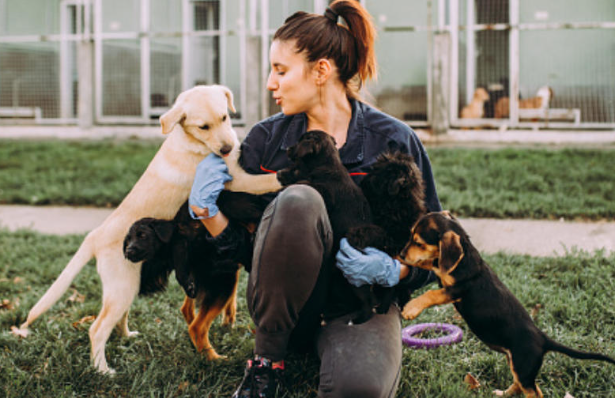
Local shelters play a crucial role in the rescue and rehabilitation of stray dogs. These organizations not only provide a safe haven for abandoned animals but also work tirelessly to find them loving homes. Understanding the multifaceted operations of these shelters can help us support their efforts more effectively.
1. Shelter Operations: A Safe Haven for Strays
Local shelters serve as the first point of refuge for stray dogs. When an animal control officer or a compassionate citizen rescues a stray, it’s often shelters that provide immediate care. This care includes medical examinations, vaccinations, and sometimes even emergency treatments for injuries. For instance, many shelters have veterinary staff or volunteers who assess strays upon arrival to determine their health status and needs.
Moreover, shelters operate not only as temporary homes but also as educational centers within the community. They often host workshops on responsible pet ownership, spaying and neutering, and training programs for both pets and their future owners. By educating the public, they work to reduce the stray population and encourage adoption. For example, successful outreach campaigns have led to a significant drop in stray numbers in various municipalities.
-
- Support your local shelter by volunteering your time.
-
- Attend education sessions to broaden your knowledge about animal care.
-
- Donate supplies like food, toys, or bedding to support shelter operations.
-
- Spread awareness of local shelters through social media channels.
2. Adoption Programs: Finding Forever Homes
One of the most significant responsibilities of local shelters is facilitating adoptions. Stray dogs often have challenging backgrounds, and shelters work diligently to rehabilitate them and prepare them for life in a loving home. This process can include behavioral training, socialization with other dogs, and even foster care where dogs are placed in temporary homes before the adoption.
Through creative programs, many shelters have increased their adoption rates. Initiatives such as “Adopt-a-Thon” events or partnership programs with local businesses bring more visibility to adoptable pets. Success stories abound, where previously frightened or unsocialized animals find families who love and accept them. An example is the ‘Two-for-One’ adoption campaigns, where families can adopt two dogs at the nominal price of one, ensuring companionship for the pets.
-
- Visit your local shelter to meet adoptable dogs.
-
- Consider fostering a dog to help with socialization.
-
- Participate in adoption events by sharing information with potential adopters.
-
- Promote the benefits of adopting over purchasing dogs from breeders or stores.
3. Community Engagement: Building a Supportive Network
Local shelters thrive on community involvement, which not only helps in rescuing stray dogs but also fosters a culture of care around pets and responsible ownership. Many shelters develop partnerships with schools and community organizations to promote awareness of animal welfare. Programs in schools can instill a sense of empathy and responsibility towards animals in the younger generation.
Another vital aspect of community engagement is fundraising. Shelters often host events such as fun runs, pet fairs, and bake sales to raise funds for their operations. These events provide opportunities for community members to meet adoptable dogs and support their local shelter while having fun. A great example is hosting a “Pet Parade” that brings together pets and their families, creating awareness and donations for the shelter.
-
- Engage with your community to raise awareness about stray animals.
-
- Organize or participate in fundraising events to support local shelters.
-
- Establish educational partnerships with local schools.
-
- Encourage your friends and neighbors to consider adoption over buying pets.
The role of local shelters in stray dog rescue cannot be overstated. They are pivotal in providing immediate care, promoting adoptions, and engaging the community to create a more compassionate society towards animals. By supporting local shelters through volunteering, donations, and spreading awareness, you contribute to a significant cause that transforms the lives of countless stray dogs. Let’s take the next step together and make a difference for these deserving animals.