
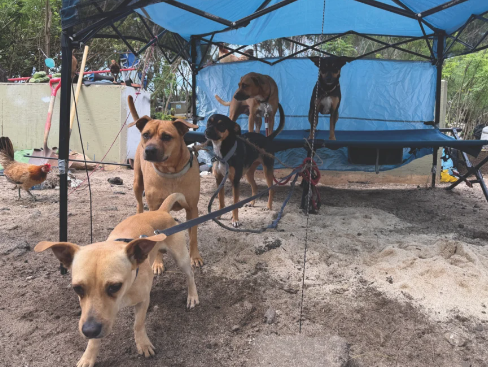
Fostering dogs from rescue organizations plays a critical role in alleviating the challenges faced by stray dogs. It provides a nurturing environment that helps dogs become more adaptable and ready for permanent homes. In this blog post, we will explore how foster homes support stray dog rescue through diverse avenues.
1. Providing Temporary Safe Havens
One of the most significant contributions foster homes offer to stray dog rescue is a safe, loving environment for dogs that have experienced trauma or abandonment. Many rescue organizations lack the resources to house every dog in a traditional shelter. Foster homes help bridge this gap by alleviating overcrowding and ensuring that dogs do not have to wait in stressful, institutional settings for extended periods. This is particularly vital for dogs recovering from illness or injury.
For instance, a stray dog recovering from surgery can greatly benefit from the quiet, controlled environment that a foster home provides. Instead of being surrounded by the chaos of other dogs in a shelter, these dogs receive focused attention, allowing them to heal both physically and emotionally. Moreover, foster homes can offer structure, a normal routine, and socialization that fosters a sense of stability for these dogs.
-
- Understand your home’s capacity to foster.
-
- Be prepared to provide basic care, including food and medical care.
-
- Establish a comfortable and safe area for the dog.
-
- Learn about the specific needs of the dog you are fostering.
-
- Communicate with the rescue organization for guidance and support.
2. Socializing and Training Dogs
Many stray dogs require socialization to curb behavioral problems that can arise from a lack of positive experiences with humans or other animals. Foster homes offer an ideal setting for this critical aspect of dog rehabilitation. By exposing dogs to different environments, people, and other pets, fosters can help them learn essential social skills. This progression ultimately increases their chances of being adopted.
Training initiatives can also be effectively implemented in foster homes. Many organizations provide resources on basic obedience training, which can be initiated in the foster setting. Teaching commands like “sit,” “stay,” and “come” not only builds a bond between the dog and the foster owner but also prepares the dog for successful integration into a forever home. This investment of time and effort often leads to a smoother transition to adoption, benefiting both the dog and the new family.
-
- Integrate daily socialization activities into the routine.
-
- Use positive reinforcement techniques for training.
-
- Keep interactions with different people and animals controlled and supportive.
-
- Document progress to share with prospective adopters.
-
- Be patient; some dogs take more time than others to adjust.
3. Facilitating Adoption Processes
Foster homes play an invaluable role in facilitating the adoption process for stray dogs by presenting them in their best light. Dogs flourish in a home environment where they can showcase their true personalities. Foster parents can provide detailed observations and anecdotes about the dog’s behavior, likes, and dislikes, which helps potential adopters find the best match.
Moreover, many organizations rely on foster homes to host adoption events or arrange meet-and-greet sessions. These interactions allow interested families to bond with the dogs in a relaxed setting, ultimately driving the adoption process. Since foster families can attest to the history and temperament of the dogs, they can address any concerns from potential adopters, making them feel more comfortable and informed.
-
- Share personal experiences and stories about the dog.
-
- Organize or participate in local adoption events to showcase your foster.
-
- Utilize social media to publicize the dog’s attributes and availability.
-
- Provide insights about the dog’s behavior that can aid in matching with a family.
-
- Be open to answering questions from potential adopters.
4. Building Community Awareness
Foster homes also play a pivotal role in raising awareness about the plight of stray dogs and the importance of rescue. By sharing their experiences, foster families can educate their friends, family, and community members on the need for foster care and animal adoption. This outreach can significantly enhance the visibility of local rescue organizations, leading to increased community involvement and support.
Additionally, some fosters may participate in local events or social media campaigns that highlight the need for fostering and adopting. The stories and evidence of transformation that outreach provides can resonate with others, inspiring them to consider fostering or adopting a dog themselves. By being advocates for change, foster homes can help reshape perceptions regarding stray and shelter dogs.
-
- Engage in local community events focused on animals.
-
- Share success stories and experiences on social media platforms.
-
- Encourage others to consider fostering or adopting.
-
- Collaborate with local businesses to raise awareness.
-
- Participate in informative workshops about pet adoption.
In conclusion, foster homes serve as the backbone of stray dog rescue efforts, offering care, socialization, and advocacy. By opening your home to a foster dog, you can be a part of this life-changing journey. Consider reaching out to a local rescue organization to learn how you can contribute and make a difference for these deserving animals.