
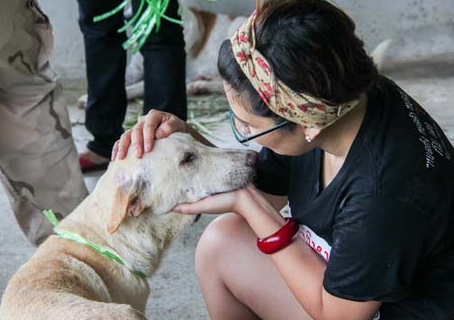
Social media has transformed the way individuals and organizations connect and share information. In the context of stray dog rescue efforts, these platforms have become invaluable tools for reaching a broader audience, fostering community engagement, and facilitating rescue operations.
1. Raising Awareness and Educating the Public
One of the most significant benefits of social media in stray dog rescue is its ability to raise awareness. Posts featuring stray dogs in need of homes or assistance can reach thousands of viewers almost instantly. Organizations often share educational content about the importance of spaying and neutering, proper pet care, and the impact of stray populations on communities. This not only informs potential adopters but encourages responsible pet ownership among the public.
For instance, a viral post about a stray dog’s plight can spark conversations and motivate individuals to learn more about rescues in their area. Many organizations pair heartwarming stories with facts about the consequences of neglect, creating emotional connections that can lead to action.
-
- Share personal stories of animals needing rescue to make them relatable.
-
- Utilize infographics to convey essential information quickly.
-
- Create educational posts on topics like pet care and community involvement.
-
- Engage with followers by asking them to share their experiences with strays.
2. Facilitating Adoption Processes
Social media platforms have streamlined the adoption process for stray dogs, allowing organizations to showcase available pets to a wider audience. With just a few clicks, potential adopters can view profiles, read about each dog’s personality, and see photos and videos that capture their unique qualities. This visual storytelling inspires an emotional response and increases the likelihood of adoption.
Additionally, through live streaming and virtual events, rescue organizations can host adoption days that appeal to a much larger demographic. These events often encourage a sense of community and shared responsibility, making it easier for people to connect with intended adoptees.
-
- Post regular updates about available dogs with attractive photos and video content.
-
- Organize virtual adoption events to reach distant potential adopters.
-
- Share success stories of adopted dogs to inspire others.
-
- Encourage followers to tag friends who might be interested in adoption.
3. Building a Community of Support
Social media helps in forming a network of individuals who share a passion for animal welfare. Through groups and pages dedicated to stray dog rescue, supporters can come together to share resources, volunteer opportunities, and fundraising efforts. This community-building aspect fosters a sense of belonging and strengthens local efforts to care for stray animals.
Furthermore, organizations can easily mobilize volunteers to assist in various activities, such as rescues, fostering, and transporting dogs to shelters or forever homes. Engaging followers through regular updates and interactive posts keeps the community active and invested in local rescue efforts.
-
- Create a dedicated Facebook group for local animal lovers to share tips and resources.
-
- Encourage local businesses to sponsor events or offer discounts for adopters.
-
- Host regular community workshops on dog care and protection laws.
-
- Utilize polls or quizzes to engage your online audience with fun, informative content.
Social media has become an essential tool in enhancing collaboration between stakeholders involved in stray dog rescue. By connecting shelters, foster homes, and the local community, these platforms create a robust network that can amplify efforts to reduce the stray dog population effectively. Collaboration can lead to joint fundraising campaigns or outreach programs that pool resources for better impact.
Networking through social media allows rescue organizations to share documents, collaborate on initiatives, and strengthen bonds that lead to more efficient rescue operations. The collective effort not only enhances the rescue impact but also raises the profile of animal welfare initiatives within the community.
-
- Partner with local shelters and veterinary services to share resources.
-
- Utilize social media for joint advertising of adoption events and services.
-
- Engage with pet supply stores for sponsorship or donation drives.
-
- Share important legislative updates to raise awareness about animal welfare laws.
In conclusion, social media serves as a powerful ally in stray dog rescue efforts. From raising awareness to facilitating adoptions and building a supportive community, these platforms hold the potential to make a tangible difference. If you’re passionate about animal welfare, consider leveraging social media to amplify your efforts or those of local organizations.