
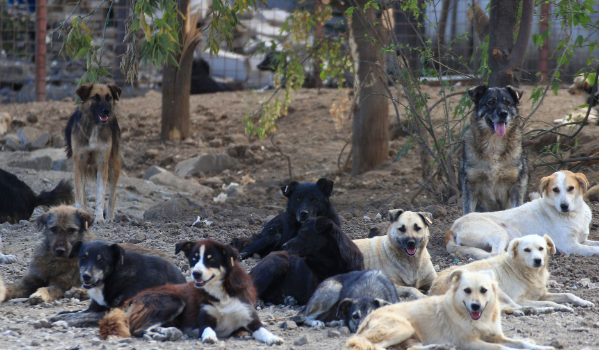
Trap-Neuter-Return (TNR) programs have gained prominence in the world of animal rescue, particularly concerning stray and feral cats. However, their principles can also extend to discussions surrounding stray dogs. This article will explore how TNR methods can inform and enhance dog rescue efforts, shedding light on the potential for effective community-based solutions.
1. Understanding TNR Programs
TNR is a humane approach aimed at managing feral cat populations by trapping, neutering, and returning the cats to their original habitat. This method helps to reduce the overpopulation that often leads to suffering among these animals. Each cat is vaccinated and then released, which helps to stabilize the local population, leading to improved health outcomes for the animals involved.
While primarily associated with cats, the principles of TNR have implications for stray dog rescue as well. Communities that implement TNR for cats often see a ripple effect of compassion and responsibility towards other stray animals, such as dogs. Applying similar methods to dog populations can foster an environment where both species receive the care and attention they need.
-
- Research local TNR programs for cats to understand their operations.
-
- Explore the potential for a TNR model adapted for dogs in your area.
-
- Advocate for humane laws and practices surrounding stray animal care.
-
- Engage with local animal welfare organizations to share ideas.
2. The Benefits of Neutering in Dog Populations
Neutering is a critical aspect of managing stray dog populations. When dogs are spayed or neutered, they cannot reproduce, significantly diminishing the number of unwanted births. This reduction is crucial for curbing overpopulation, which often leads to neglected or abandoned animals facing disease, starvation, or danger from cars and other hazards.
Moreover, neutering contributes to behavioral improvements in dogs. Neutered males are less likely to roam, mark territory, or display aggressive behaviors, which makes them better suited for living in urban or suburban environments. By encouraging stray dog neutering, communities can create safer spaces for both the animals and the residents.
-
- Provide accessible low-cost spay/neuter clinics.
-
- Promote education about the importance of neutering among pet owners.
-
- Collaborate with veterinarians to offer local neutering events.
-
- Distribute flyers in neighborhoods with high stray dog populations.
3. Community Involvement and Education
Community support plays a pivotal role in the success of any animal welfare initiative, including TNR for dogs. By engaging local residents, volunteers, and businesses, communities can create powerful networks that advocate for and support stray dog welfare. Organizing community-driven meetings can help explain various aspects of stray dog issues and the importance of taking action.
Education is equally vital; the more that people know about the risks and responsibilities associated with stray dogs, the more supportive they will be of initiatives like TNR. Conducting workshops or seminars can demystify stray dog rescue, increase empathy, and motivate communal action to help these animals find better situations.
-
- Set up community meetings to discuss stray dog issues.
-
- Develop informative pamphlets and resource lists for dog rescue.
-
- Encourage local businesses to sponsor events or offer discounts for neutering services.
-
- Utilize social media for outreach and education efforts.
4. Coordination with Local Shelters and Organizations
Effective stray dog rescue often necessitates collaboration between various shelters and organizations. By pooling resources and knowledge, these entities can maximize their outreach and impact. Coordinating efforts ensures a comprehensive approach, with an emphasis on care, rehabilitation, and adoption.
Local shelters can lead the way by implementing TNR-like strategies adapted for dogs, such as establishing foster programs for strays needing rehabilitation before adoption. Partnering with veterinarians for regular health checks and vaccinations can also ensure that rescued dogs are assessed promptly as they enter the program.
-
- Connect with local shelters to create joint initiatives.
-
- Share resources, training, and expertise among organizations.
-
- Organize adoption events featuring rescued dogs.
-
- Develop a referral system for dogs needing specialized care.
5. Long-term Solutions for Stray Dog Welfare
While immediate action is important, sustainable solutions for stray dog welfare involve long-term strategies. Establishing community engagement, consistent funding for rescue efforts, and preventive measures such as education about responsible dog ownership can help maintain a balance in stray dog populations.
Advocating for policy changes at local or state levels can also significantly impact stray dog welfare. This includes pushing for legislation that supports humane treatment of animals, funding for spay/neuter programs, and resources for public education initiatives. The goal is to create an environment that reduces the number of stray dogs through responsible ownership and care.
-
- Educate the community on responsible pet ownership practices.
-
- Promote volunteer opportunities within local shelters.
-
- Work with lawmakers to introduce supportive animal welfare legislation.
-
- Maintain ongoing communication with community members about care efforts.
In conclusion, by leveraging TNR principles to address the issues surrounding stray dogs, communities can foster better relationships with both human and animal residents. Take the next step by engaging with local organizations, advocating for change, or simply supporting your local shelters. Each action contributes to a more compassionate and sustainable future for stray animals.