
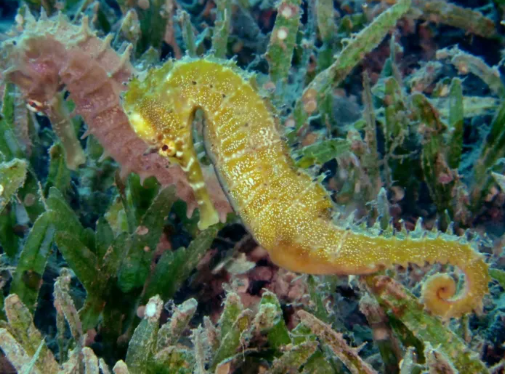
Seahorses are one of the ocean’s most fascinating creatures, known for their unique appearance and intriguing behaviors. One of the most captivating aspects of seahorse life is their elaborate courtship dance, a ritual that has captured the curiosity of marine enthusiasts and researchers alike. But what motivates these extraordinary displays? Let’s dive into the reasons behind their delightful dances.
1. The Role of Courtship in Seahorse Mating
Seahorses engage in elaborate courtship dances primarily to strengthen their pair bonds. These displays typically last several days and involve a series of synchronized movements that help to establish trust and mutual recognition between partners. During this time, the male and female seahorses twist and turn, changing colors and swimming side by side, which signifies their commitment to each other.
The courtship dance serves several crucial purposes. First, it allows both seahorses to assess the compatibility of their potential partner. The synchronized movements ensure that both parties are in sync, which is essential for successful reproduction. Moreover, the dance helps to solidify the emotional connection between the two, as they learn to communicate effectively with one another through movement.
-
- Observe how seahorses interact with their partners.
-
- Witness their color changes during the dance.
-
- Look for signs of synchronization to identify bonding.
-
- Study different species for varying courtship dances.
2. Environmental Factors Influencing Seahorse Dances
The environment in which seahorses live also plays a significant role in their dance rituals. Seahorses are typically found in seagrass beds, coral reefs, and mangroves—each habitat providing unique challenges and opportunities for courtship displays. In these underwater landscapes, seahorses rely on camouflage to avoid predators, so their dances also serve as a way to signal safety to each other amidst the complexities of their habitat.
Different environmental conditions can impact the way seahorses dance. For instance, changes in water temperature or currents may modify their movements, and a stable environment often leads to more elaborate displays. Additionally, the presence of other marine animals or disruptions in their ecosystem can either enhance or hinder their courtship activities.
-
- Examine seahorse habitats to understand their influences.
-
- Consider water quality and temperature impacts on behavior.
-
- Look for trends in dance styles in various environments.
-
- Monitor the presence of predators during courtship rituals.
3. The Science Behind Seahorse Dancing
Researchers have documented the biological mechanisms that facilitate the graceful and intricate dances of seahorses. Unlike many other fish, seahorses lack a caudal fin, relying instead on their dorsal fin for mobility. This unique anatomy allows them to engage in slow, deliberate movements, making their dances particularly mesmerizing to observe. The structure of their tails also plays a role in their interactions, aiding in the grasping and holding together during their dances.
Additionally, physiological factors, including hormonal changes, enhance their behavior during courtship. Elevated hormone levels can lead to more vibrant colors and increased energy, resulting in more fluid movements. This means that not only are their dances aesthetically appealing, but they are also biologically driven, showcasing a fascinating intersection of nature and science.
-
- Learn about fin structures and their roles in movement.
-
- Study hormonal influences on behavior and color.
-
- Observe dance variations between different seahorse species.
-
- Investigate the impact of anatomy on social interactions.
4. The Importance of Pair Bonds in Seahorse Communities
Seahorse pair bonding goes beyond mere courtship dancing; it is fundamental to their way of life. Once a pair forms, they often remain together for an extended period, sometimes for a whole breeding season or longer. The relationships built through their dances lead to stable partnerships that enhance reproductive success, as both partners work collaboratively during gestation and parenting.
This strong pair bond also fosters a sense of community within seahorse populations. When seahorses successfully mate and raise their young, it contributes to healthier populations and promotes genetic diversity. This aspect of their social structure reinforces the idea that their dance is not just about romance, but also about the survival of the species.
-
- Observe how long-term pairs behave compared to solitary seahorses.
-
- Document interactions among multiple pairs in a population.
-
- Consider genetic diversity benefits from bonded pairs.
-
- Research the influence of environmental pressures on partnerships.
Understanding the reasons behind seahorse dances enriches our appreciation of these remarkable creatures and their complex lives. By observing their behaviors and the factors that influence them, we can gain valuable insights into marine ecosystems. For those intrigued by marine life, consider getting involved in local conservation efforts or research initiatives to further explore the beautiful world of seahorses.