
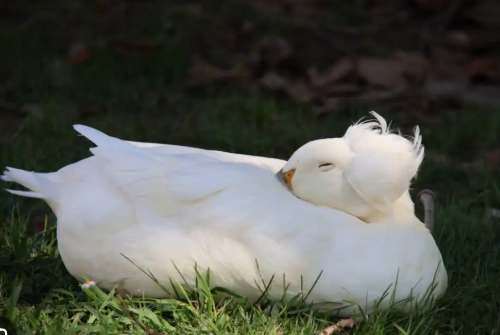
Ducks are fascinating creatures, often found gliding gracefully across ponds and lakes. One of their intriguing habits is their tendency to sleep in a row, especially when on water. This behavior has sparked curiosity and led many to wonder why ducks choose this particular sleeping arrangement.
1. Safety in Numbers
Sleeping in a row provides ducks with a sense of security. When they are in close proximity, they can keep watch for potential predators. This collective vigilance makes it easier for them to spot danger while allowing the rest of the group to rest. If one duck senses a threat, it’s likely to alert the others, ensuring minimal risk for the entire group.
Moreover, this behavior is often seen in various species of birds, where communal living enhances survival rates. Ducks will position themselves strategically in a line, usually with their heads tucked under their wings, allowing for quick reactions. This instinctual behavior is a product of evolution, designed to maximize their chances of survival in a natural environment.
-
- Observe duck behavior in parks or nature reserves to see how they group for safety.
-
- Notice the positions of ducks when they are in a row; typically, the lead duck is alert.
-
- Learn about predators in your area to understand what threats ducks might be watching for.
-
- Consider how this behavior might change in different environments, such as urban areas versus rural settings.
2. Regulation of Body Temperature
Another reason ducks sleep in a row relates to thermoregulation. Ducks have a unique adaptation that allows them to maintain their body temperature even during cold nights. By huddling in a line, they can share body heat, which conserves energy and keeps them warmer while they rest.
When they sleep closely together, ducks can insulate each other, reducing the amount of heat each individual loses to the environment. This behavior helps them survive in cooler climates, where energy conservation is vital. Additionally, sleeping in a row allows for a better arrangement of feathers, aiding in keeping them dry and warm.
-
- Ensure that ducks have a suitable environment to regulate their body temperature.
-
- Provide adequate shelter to protect them from wind and rain.
-
- Monitor environmental temperatures, especially during seasonal changes.
-
- Observe how ducks adjust their positions in varying weather conditions.
3. Sleep Patterns and Social Interaction
Ducks establish social bonds while sleeping in a row. This behavior is part of their social structure, where individual ducks develop relationships within their group. Social interactions don’t stop during sleep; this arrangement fosters trust and reinforces familial or communal ties.
Additionally, ducks have unique sleep patterns that include a combination of deep and light sleep. While one side is resting, the duck can maintain awareness of its surroundings, which is enhanced when they are close to other ducks. This varies depending on the time of day and environmental factors, making their sleep both a protective and social activity.
-
- Spend time observing how ducks interact when resting versus during active periods.
-
- Encourage safe environments for wild ducks to foster natural social behaviors.
-
- Consider what might happen if their sleep patterns are disturbed by human activities.
-
- Explore the concept of social dynamics among different duck species.
4. Relying on Natural Instincts
The instinct to sleep in a row is deeply ingrained in ducks’ behavior, shaped by millions of years of evolution. Their survival hinges on their ability to adapt to their environment, and this sleeping arrangement is just one of many adaptations that enhance their survival. Ducks possess natural instincts that guide them in choosing safe sleeping spots and forming groups for rest.
Young ducks learn this behavior from adult ducks, showcasing how vital social learning is in their development. For them, sleeping in a row isn’t merely a preference; it’s a learned behavior critical to their survival strategy, ensuring they thrive in both natural and urban settings.
-
- Encourage observations of duck behavior to better understand their instincts.
-
- Share knowledge about duck behavior with friends and family to raise awareness.
-
- Participate in conservation efforts to preserve natural habitats for ducks.
-
- Consider supporting local wildlife organizations to help protect duck populations.
In conclusion, the behavior of ducks sleeping in a row is not just a quirky trait; it serves several practical purposes, including safety, temperature regulation, and social bonding. Understanding these behaviors enriches our appreciation for these charming creatures. Next time you spot a line of ducks, take a moment to witness their fascinating world and consider what other behaviors they exhibit in the wild.