
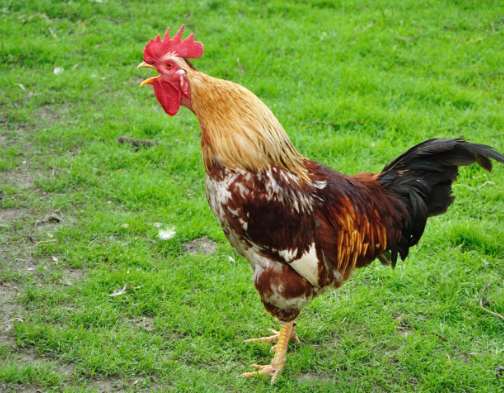
Many people are familiar with the iconic sound of a rooster crowing at dawn. This distinctive call is often associated with the break of day, yet there’s more to it than merely waking up the farm. Understanding why roosters crow in the morning can provide insight into their behavior and biology.
1. The Natural Circadian Rhythm
Roosters, like many animals, are governed by their circadian rhythms, which are physical, mental, and behavioral changes that follow a 24-hour cycle. These changes are primarily influenced by light. As the sun begins to rise and the first light hits, roosters are biologically programmed to start their day by crowing. This crowing marks their territory and announces their presence to other birds, establishing dominance within their flock.
In addition to marking the start of the day, a rooster’s crowing can serve various social functions. For instance, roosters usually crow several times throughout the day to communicate with hens and other roosters. This behavior contributes to the overall hierarchy in a flock and reassures the hens of the rooster’s presence and protection.
-
- Observe the crowing patterns of your rooster to understand its natural rhythm.
-
- Ensure that your rooster has access to natural light to maintain its circadian cycle.
-
- Pay attention to crowing at different times of the day; it can indicate mood or health.
-
- Consider the challenges of having a rooster in an urban setting due to noise issues.
2. Territorial Calling
Roosters crow primarily to establish and defend their territory. When a rooster crows, it sends a clear message to nearby roosters: this area belongs to him, and he is more than willing to fight for it if necessary. Territorial crowing is especially prominent during the breeding season when roosters are most protective of their hens. This crowing can often be heard early in the morning when sound travels best in the quietude of dawn.
Additionally, roosters may crow whenever they perceive a threat or unusual activity in their territory. This behavior helps maintain order and can even serve as an early warning system for the flock. Other birds or even humans might take this as an indication to either approach cautiously or back off entirely, making the rooster an important protector for its community.
-
- Monitor your rooster’s behavior around other animals or intruders.
-
- Make sure your rooster feels secure to minimize excessive crowing.
-
- Provide a space where your rooster can roam freely.
-
- Observe how different roosters in your area respond to each other’s calls.
3. Communication and Social Interaction
Crowing is not just a solo act; it’s an important part of a rooster’s social interactions within its flock. Roosters use a variety of vocalizations, with crowing being the loudest and most dominant. This vocalization can help maintain the structure within the flock, as hens and other roosters learn their roles and relationships through these calls. If a rooster crowed more often during the early morning, it might be announcing its moods or even calling hens to come closer.
In addition, roosters may also crow in response to other sounds or during interactions with their hens. For example, if hens are clucking or calling out, the rooster will often respond in kind. This reinforces their bond as a flock and helps establish social order. The crowing can also alert nearby hens to be vigilant for potential predators or dangers.
-
- Encourage positive interactions between your rooster and hens.
-
- Provide a calm environment to reduce stress-induced crowing.
-
- Try engaging with your rooster to see how it responds to your calls.
-
- Study other social dynamics within your flock to understand behaviors.
4. Influencing Factors: Environment and Health
Various external factors can influence a rooster’s crowing habits. For instance, roosters may crow more frequently in urban environments due to noise from traffic, people, or other animals. Additionally, changes in seasons, such as increased daylight during spring and summer, can stimulate more frequent crowing as part of their biological responsiveness to environmental cues.
Health also plays a crucial role in a rooster’s behavior. A healthy rooster with a strong voice will crow more assertively and often. However, stress, illness, or injury can affect their vocalizations and overall behavior. It’s essential to keep an eye on your rooster’s physical state, ensuring it remains healthy to encourage a consistent crowing pattern.
-
- Ensure your rooster has a nutritious diet for strength and health.
-
- Keep its living conditions clean and comfortable.
-
- Watch for signs of stress or illness, such as reduced crowing or changes in demeanor.
-
- Consider environmental factors that may impact your rooster’s behavior.
Understanding why roosters crow in the morning reveals fascinating insights into their behavior and biology. By observing and caring for your rooster consciously, you can foster a happier, healthier environment for all your poultry. If you’re looking to expand your knowledge of poultry behavior or improve your flock’s health, consider consulting a professional or taking a more in-depth course.