
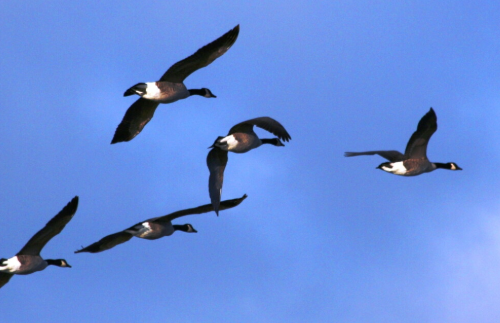
Have you ever observed a flock of geese flying in a perfect V formation and wondered why they do it? This amazing arrangement isn’t just for show; it serves a vital purpose that enhances their flying efficiency and communication. Let’s delve into the reasons behind this fascinating behavior.
1. Energy Efficiency and Aerodynamics
The V formation allows geese to conserve energy while flying long distances. When a goose flaps its wings, it creates an updraft of air behind it, which can be utilized by the bird that follows. This aerodynamic advantage helps each bird save energy, allowing the entire flock to fly further together. Studies have shown that birds flying in V formation can increase their flight range by up to 70% compared to flying solo.
This formation is particularly important for migratory geese, who often undertake extensive journeys across varying climates. By positioning themselves in a V shape, each bird takes advantage of the updraft created by the bird in front, reducing their energy expenditure. In turn, this allows the group to maintain a steady pace and make quicker journeys to their destinations.
-
- Pay attention to the V formation during migration seasons.
-
- Understand the benefits of aerodynamics in bird flight.
-
- Consider how energy conservation affects migratory patterns.
-
- Observe how different birds utilize similar formations.
2. Leadership and Communication
Within the V formation, geese alternate positions, allowing each bird a chance to lead. Leading requires the most energy, so once a leader gets tired, it will rotate back, allowing another bird to take its place. This frequent rotation not only prevents fatigue but also strengthens group cohesion and teamwork among the flock.
Moreover, flying in a V formation facilitates communication. Geese are known to honk and make sounds while flying, which helps to coordinate and maintain the group’s alignment. This vocal communication, paired with visual cues, reinforces the importance of teamwork and ensures that all birds stay together during their flight.
-
- Observe how leadership roles shift within the flock.
-
- Listen for the sounds geese make while flying.
-
- Reflect on the concept of teamwork in nature.
-
- Watch for how geese communicate visually as well as vocally.
3. Navigational Aid
The V formation is also beneficial for navigation. By flying in a structured layout, younger geese (goslings) can learn migration routes and landmarks from the adults. This formation helps young birds understand the direction of travel and where to find food and nesting areas during their migratory journey.
Additionally, this alignment simplifies the task of keeping track of one another. In complex environments, such as over mountains or large bodies of water, the V shape helps to keep the flock together and ensures that no bird gets lost. This navigational assistance is crucial for successful migration.
-
- Study migration patterns of different goose species.
-
- Learn about the landmarks significant to migratory birds.
-
- Encourage community conservation efforts to protect migratory routes.
-
- Utilize tools such as maps and apps to track bird migrations.
In summary, the V formation in geese is a remarkable instinctual behavior that promotes energy efficiency, teamwork, and navigation. Observing this phenomenon can inspire a deeper appreciation for nature and its symbiotic relationships. So the next time you see a flock of geese flying above, take a moment to admire the science behind their formation.
To further explore the fascinating world of bird migration, consider contacting your local wildlife center or joining a bird-watching group. Understanding these behaviors can enrich your outdoor experiences and lead to a greater appreciation of our avian friends.