
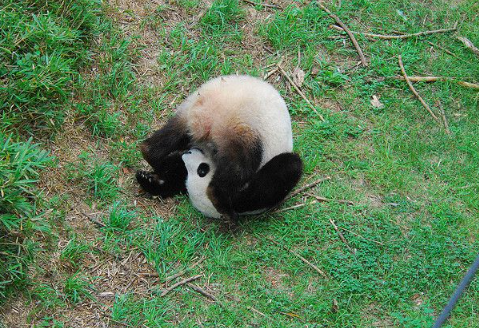
When you think of pandas, you might picture these gentle giants munching on bamboo or lounging around in their habitats. However, one of the most endearing behaviors of pandas is their tendency to roll down hills. This playful act often leaves viewers wondering: why do they do it? In this blog post, we’ll explore the fascinating reasons behind this charming behavior.
1. Playfulness and Social Interaction
Pandas are known for their playful nature, especially when they are young. Rolling down hills can serve as a form of play that allows them to express their personality. Young cubs, in particular, engage in playful antics as a way to bond with their mothers and other cubs. This social play not only strengthens relationships but also prepares them for adult interactions.
Moreover, the rolling behavior can be observed in the wild where pandas are seen engaging with their siblings or friends. Such playful activities are essential as they help develop the skills necessary for survival, including agility and coordination. As they tumble, they also learn to navigate their environment more effectively, which is crucial in the wild.
-
- Encourage playtime for young pandas to promote bonding.
-
- Observe panda interactions to understand their social behaviors.
-
- Look for gentle rolling or tumbling as signs of playfulness.
-
- Remember that social interaction is vital for emotional health.
2. Physical Benefits and Exercise
Engaging in physical activities like rolling down hills provides pandas with an enjoyable way to exercise. Like all mammals, they need regular movement to maintain their health. Rolling helps to develop strong muscles and improve flexibility, which is essential for their day-to-day activities. These exercises can effectively prevent issues such as obesity, which can occur due to their bamboo-heavy diet.
Furthermore, this rolling behavior may serve to enhance their overall agility. A well-rounded physical routine helps pandas adapt to their environment better, whether it’s climbing trees or escaping from potential threats. By incorporating fun movements like rolling, pandas can engage in physical activity that developers their strength while keeping the experience enjoyable.
-
- Design environments that allow pandas to roll and play freely.
-
- Ensure that their habitats include varied terrains for exercise.
-
- Monitor their physical activity levels to prevent health issues.
-
- Encourage playful activities to promote fitness.
3. Environmental Enrichment
Pandas in captivity often roll down hills as a form of environmental enrichment. Zoos and wildlife reserves aim to recreate stimulating environments that mimic their natural habitats. This rolling behavior not only entertains the pandas but also encourages them to explore their surroundings. By engaging in such activities, they can alleviate boredom and stress, which are common issues in captivity.
Moreover, exposure to different terrains and surfaces is an important part of their behavioral development. Rolling down hills introduces them to various textures and inclines, preparing them for more complex interactions, which can be essential for their mental well-being. Enrichment activities like rolling are crucial to ensuring that captive pandas lead well-rounded lives, both physically and psychologically.
-
- Incorporate rolling areas in zoo habitats for enrichment.
-
- Rotate and change environments regularly to maintain interest.
-
- Observe their behaviors for indicators of boredom or anxiety.
-
- Engage the public with educational demonstrations about their behaviors.
4. Observation and Learning
Pandas learn through observation, and rolling can also serve as a teaching tool. Young pandas often watch their mothers or siblings roll and then mimic the behavior. This learning process is crucial as it helps them pick up on vital social cues and survival tactics. Their ability to imitate is a key component of their development, affecting their interactions and adaptability in the wild.
Furthermore, this observational learning helps ensure their survival as they become adept at understanding their environment. In some cases, rolling might even help them discover new routes or potential food sources. Teaching through demonstration is an important aspect of their social structure, which reinforces their need to stay within family or community groups as they mature.
-
- Encourage young pandas to interact with older ones for learning.
-
- Provide opportunities for them to explore and mimic behaviors.
-
- Utilize the concept of observational learning in their training.
-
- Create safe spaces for learning experiences to occur.
In conclusion, pandas rolling down hills is a delightful behavior that serves multiple purposes, from social bonding to physical exercise and learning. Understanding these actions can enhance our appreciation of these wonderful animals. If you’re interested in supporting panda conservation or learning more, consider visiting a local zoo or supporting wildlife preservation efforts to help protect these charming creatures in the wild.