
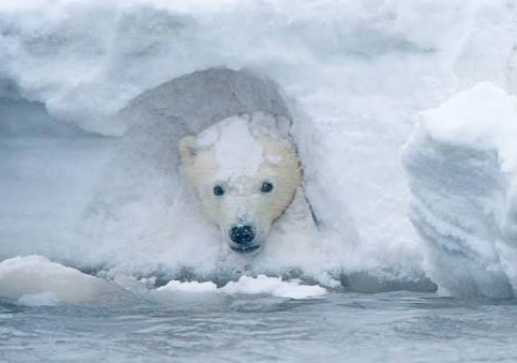
Polar bears are fascinating creatures, often admired for their strength and beauty. One intriguing aspect of their behavior is how they sometimes cover their noses. Understanding this unique action reveals important insights into their survival strategies in the harsh Arctic environment.
1. The Function of the Nose Covering
Polar bears have a special adaptation in their noses that allows for better insulation. When they cover their noses with their paws or snow, they are actually maintaining body heat and preventing heat from escaping. This is particularly essential during extreme cold and windy conditions, enabling them to conserve energy while they rest or wait for prey.
In addition to temperature regulation, covering their noses can help polar bears reduce scent detection by potential prey or competition. The Arctic is a vast expanse, and scent can travel significant distances. By covering their noses, polar bears may further enhance their stalking prowess when hunting seals, which are their primary food source.
-
- Learn about how nasal adaptations work in cold environments.
-
- Observe polar bear behavior in documentaries for real-life examples.
-
- Explore how other Arctic animals adapt to cold weather.
-
- Consider visiting a zoo to view polar bears up close.
2. Behavioral Insights and Communication
Covering their noses also plays a role in communication among polar bears. Often, they use body language to express emotions or intentions. For instance, when they feel threatened or uncertain, a bear may cover its nose as a calming signal. This behavior can serve as a way to reduce aggression from other polar bears and facilitate a more relaxed atmosphere.
Moreover, bears are highly intelligent animals, and they learn from their experiences. Some young polar bears observe their mothers using this technique, which teaches them stress management and helps them develop survival skills. Such learned behaviors are crucial in adapting to the complexities of their icy habitat.
-
- Recognize different bear behaviors and their meanings.
-
- Watch how polar bears interact with each other.
-
- Keep a journal of bear sightings and behaviors observed.
-
- Read studies on bear communication to gain deeper insights.
3. The Impact of Climate Change on Polar Bear Behavior
The changing climate significantly affects polar bears and their behaviors, including the way they cover their noses. As ice habitats continue to diminish, these bears face greater challenges when it comes to hunting and conserving energy. With less ice, they often have to swim longer distances, leading to increased fatigue and stress.
Furthermore, climate change alters the Arctic ecosystem, affecting food availability and the competition among species. As polar bears adapt to these changes, their instinctual behaviors, such as covering their noses, may adjust as well. Understanding these adaptations can help conservationists and researchers focus on protecting these majestic creatures and their habitats amidst global warming.
-
- Stay informed about climate change impacts in the Arctic.
-
- Support conservation efforts to preserve polar bear habitats.
-
- Engage in community discussions about climate awareness.
-
- Participate in wildlife observation activities to appreciate nature.
In conclusion, polar bears’ nose-covering behavior is a remarkable adaptation that showcases their ability to survive in one of the world’s harshest environments. By learning more about their habits and the impact of climate change, we can appreciate the importance of preserving their natural habitats. Stay informed, spread awareness, and consider contributing to wildlife conservation efforts to help protect these extraordinary animals.