
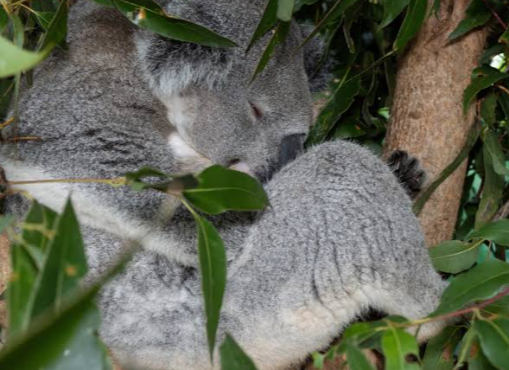
Koalas are known for their adorable appearance and relaxed demeanor. One of their most notable behaviors is their extensive sleeping habits, which can amount to 18-22 hours a day. Understanding why koalas sleep so much provides insight into their unique biology and lifestyle.
1. Energy Conservation
Koalas are herbivores that primarily consume eucalyptus leaves, which are notoriously low in nutrients. This means that koalas must have specialized adaptations to conserve energy due to their inefficient diet. Since they do not have a high-calorie food source, their metabolism is slow, requiring them to minimize energy expenditure through long periods of rest and sleep.
Moreover, the energy content in eucalyptus leaves is so low that koalas struggle to gain the necessary energy for daily activities. As a result, they spend most of their waking hours eating and foraging, leading to the necessity of sleep to recuperate. This adaptation ensures they can survive on their limited diet while also avoiding the risks associated with being overly active.
-
- Understand the energy dynamics of koalas’ diet.
-
- Minimize physical activity to conserve energy.
-
- Prioritize nutrient-rich foods in your diet.
-
- Track your energy levels throughout the day.
2. Nocturnal Habits
In addition to their need for energy conservation, koalas are primarily nocturnal animals. Being active at night helps them avoid the heat of the day, as they live in a harsh Australian climate. This nocturnal behavior also plays a crucial role in their feeding habits since many natural predators are more active during daylight hours.
Sleeping through the hottest parts of the day allows koalas to maintain their body temperature and stay hydrated. They typically seek out shady areas in their trees where they can snooze in safety. Understanding this behavior can help in appreciating how these cozy marsupials have adapted to their environment over millions of years.
-
- Observe nocturnal wildlife to understand their behavior.
-
- Recognize the benefits of daytime rest for energy management.
-
- Consider your own sleep schedule in relation to your lifestyle.
-
- Create a comfortable resting space at home.
3. Impact of Climate and Habitat
The habitat in which koalas live also affects their sleeping patterns. The eucalyptus trees they inhabit are not only their main source of food but also provide them with shelter. As climate change continues to reduce the availability of these trees, koalas are forced into smaller areas, which impacts their behavior, including sleep.
Changes in climate, such as increased temperatures and prolonged droughts, can lead to stress and displacement, forcing them to adapt or remain inactive for longer periods. This adaptation might include sleeping more to conserve energy amid scarcity. Understanding how environmental factors impact animal behavior can strengthen conservation efforts and educational outreach.
-
- Support organizations working towards habitat preservation.
-
- Stay informed about climate change and its effects.
-
- Educate others about the importance of wildlife conservation.
-
- Participate in local wildlife monitoring and support initiatives.
In conclusion, koalas sleep extensively due to their unique dietary requirements, nocturnal habits, and the impact of their environment. Learning more about these fascinating creatures not only increases our understanding of their needs but also emphasizes the importance of wildlife conservation. Consider supporting local efforts to protect koalas and their habitats, ensuring a brighter future for these beloved marsupials.