
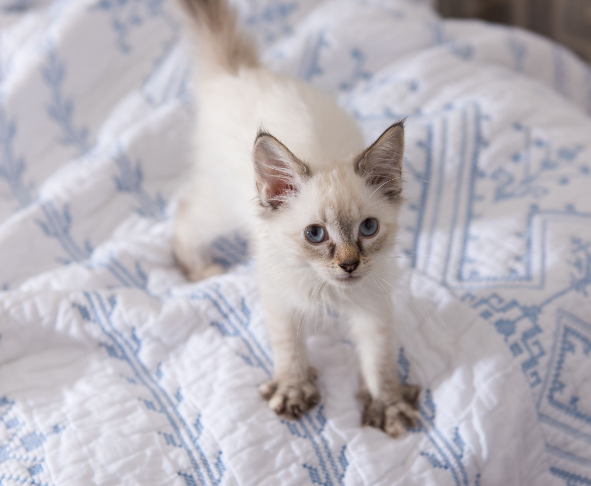
Cats are fascinating creatures with a wide array of behaviors that catch our attention. One such behavior is kneading, where cats push their paws in and out against a soft surface. This charming act often leaves cat owners wondering about its significance.
1. Kneading as a Kitten Behavior
Kneading is a reflex that begins in a cat’s early life. Kittens knead their mother’s belly to stimulate milk production during nursing. This instinctual behavior evokes feelings of safety and comfort, which often persist into adulthood. Even as they grow older, many cats will exhibit this trait as a way to channel those warm memories of their kittenhood.
This behavior also helps cats mark their territory. Cats have scent glands in their paws, and when they knead, they leave their scent on the surface they’re working on, claiming it as theirs. This not only comforts them but can also provide a layer of security, making them feel at home.
-
- Observe your kitten’s kneading behavior to understand their comfort level.
-
- Provide a soft blanket or pillow for them to knead on.
-
- Check for any signs of discomfort when they knead.
-
- Encourage the behavior to reinforce feelings of safety.
2. Adult Cats and Kneading: A Sign of Contentment
As cats mature, kneading often becomes a sign of contentment and relaxation. Many adult cats will knead when they’re in a comfortable environment, such as sitting in their owner’s lap or lounging on a favorite blanket. This behavior signifies that they feel safe and are expressing their happiness.
Moreover, kneading can also be seen as a way to relieve stress. In a world that can sometimes be overwhelming, the act of kneading allows cats to center themselves, helping them cope with anxiety or tension. It’s akin to how humans might fidget or engage in repetitive movements to self-soothe.
-
- Pay attention to your cat’s body language while kneading.
-
- Offer your cat a specific area, like a cat bed, to knead more freely.
-
- Use a calming spray or pheromone diffuser if your cat seems anxious.
-
- Look for patterns in their kneading habits related to stressors.
3. What to Do If Kneading Becomes Problematic
While kneading is generally a positive behavior, it can sometimes lead to issues, especially if a cat kneads aggressively or chooses inappropriate surfaces. If your cat’s kneading causes discomfort, such as clawing at sensitive skin or damaging furniture, it may be time to intervene. It’s important to redirect this behavior positively.
Training your cat to knead on designated areas can help mitigate any problems. Use soft materials, such as a cat mat or a blanket, to encourage them to knead there instead. You can also trim your cat’s nails regularly to minimize discomfort when they knead.
-
- Provide dedicated kneading surfaces like cat beds or blankets.
-
- Regularly trim your cat’s nails to reduce scratching.
-
- Monitor your cat for signs of overstimulation during kneading.
-
- Consider using soft nail caps to protect your skin and furniture.
Understanding why cats knead helps us appreciate their behavior more deeply. Each time you see your feline friend kneading, it’s a reminder of their innate nature and complex emotional world. If you notice any excessive habits or signs of distress, seeking advice from a veterinarian can provide additional strategies for managing your cat’s behavior.
In conclusion, observing and understanding your cat’s kneading behavior can enrich your bond with them. By fostering an environment that supports this natural instinct, you contribute to your cat’s happiness. Remember, if concerns arise, don’t hesitate to consult a professional for guidance. Your furry friend’s comfort and well-being are worth it!