
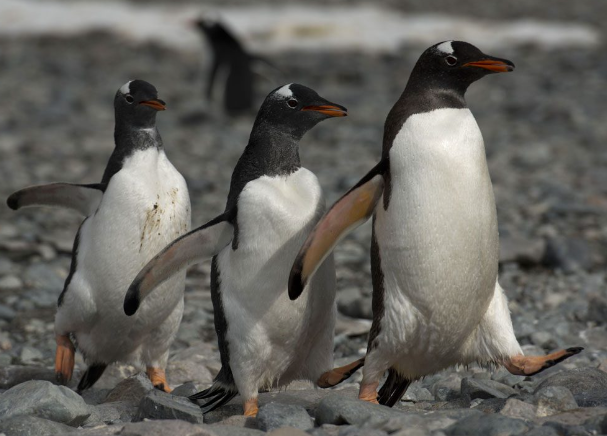
Penguins are fascinating creatures, known for their tuxedo-like appearance and adorable waddling gait. While their charming waddle may look like a clumsy way of moving, it serves a practical purpose for these flightless birds. Let’s dive deeper into this unique form of locomotion and discover why penguins waddle when they walk.
1. The Science Behind the Waddle
The waddling movement of penguins is primarily due to their anatomy and the way their bodies are structured. Penguins have a relatively large body and short legs that are set far back on their bodies. This design allows them to maintain balance while swimming in the water, but it also influences how they walk on land. The result is a distinctive side-to-side motion that many people find endearing.
Additionally, this waddle helps penguins conserve energy while moving. Their feet are positioned to allow for a stable center of gravity, which minimizes effort while walking. When waddling, penguins can keep their weight centered, making movement less strenuous. This energy conservation is crucial for survival in their often harsh, icy environments.
-
- Observe how penguins move in their natural habitat.
-
- Consider how their physical adaptations help them in both water and on land.
-
- Explore the similarities and differences in movement between penguins and other birds.
-
- Learn more about penguin anatomy to understand their unique adaptations.
2. Waddling and Survival
The waddling motion of penguins is not just cute; it plays a crucial role in their survival. When moving in groups, a waddle allows penguins to maintain a good speed while navigating the uneven and sometimes treacherous terrain of icy surfaces. This ability to stay close together can be crucial when predators, such as seals or birds of prey, are nearby.
Furthermore, waddling allows them to quickly transition between walking and sliding on their bellies, an action known as “tobogganing.” By leaning forward, penguins can slide across the ice using their bellies while using their flippers for steering. This not only makes for a faster escape but also reduces fatigue during long treks.
-
- Watch documentaries to see how penguins move in their groups.
-
- Observe their behavior when they sense danger, noting how they react.
-
- Research the role of tobogganing in their movement and energy efficiency.
-
- Consider the benefits of group behavior in various animal species.
3. Adaptations to Extreme Conditions
Penguins live in some of the most extreme environments on Earth. Their waddling gait is particularly well-suited for these cold habitats where snow and ice are prevalent. The short, stubby legs provide stability on slippery surfaces, reducing the risk of falling. This is especially important for species like the Emperor penguin, which can weigh up to 90 pounds.
Moreover, the combination of waddling and tobogganing allows penguins to travel long distances to find food while expending less energy. During breeding season or while searching for food, these adaptations ensure they can sustain themselves and their young despite harsh conditions. Their unique movement mechanics make them resilient and agile in their natural habitats.
-
- Learn about the different species of penguins and their habitats.
-
- Investigate how other animals adapt to extreme cold.
-
- Consider ways these adaptations enhance their survival skills.
-
- Explore how climate change affects penguins and their habitats.
In conclusion, the playful waddle of penguins is more than just a charming trait; it is a demonstration of their unique adaptations for survival. Understanding why penguins waddle can deepen one’s appreciation for these fascinating creatures and highlight the importance of their habitats. If you want to learn more about penguins and their environment, consider delving into wildlife documentaries or conservation efforts to support these magnificent birds.