
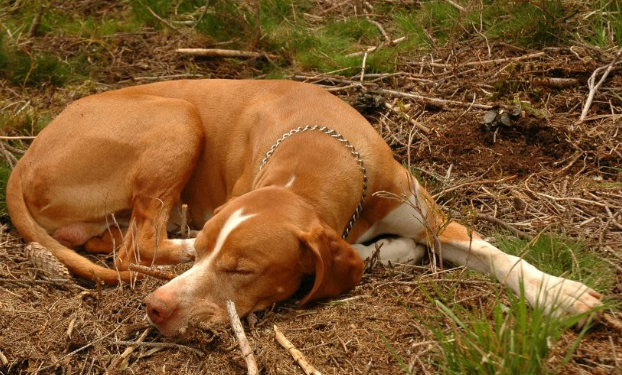
Have you ever noticed your dog turning around in circles before settling down to rest? It’s a behavior that may seem quirky, but there are several intriguing reasons behind it. Understanding this behavior can deepen the bond you have with your furry friend and provide insights into their natural instincts.
Ancestral Instincts
One of the primary reasons dogs turn around before lying down is rooted in their ancestral instincts. Dogs are descendants of wild wolves, and this behavior can be traced back to their wild ancestors. In the natural world, turning around helps to create a comfortable sleeping area by flattening grass, leaves, or snow. This helps to create a cozy and secure space where they can rest without the risk of being surprised by predators.
This instinct is still present in modern dogs, even if they now enjoy the comforts of a home. While your dog may not need to worry about predators in your living room, the behavior still symbolizes a natural habit of preparing a den-like environment. For many dogs, this can even be a comforting and reassuring ritual, ensuring they feel safe as they settle down for a nap.
- Observe your dog’s surroundings and see if it influences their behavior.
- Consider the surface where your dog lies down; is it comfortable?
- Encourage a cozy “den” area with blankets and pillows.
- Create a consistent bedtime routine to enhance security.
Temperature Regulation
Another fascinating reason why dogs turn around before lying down is temperature regulation. In the wild, turning in circles or digging creates a nest-like area that can help trap their body heat, making it easier to stay warm during cooler nights. This is particularly important for smaller breeds or dogs with short coats that may be more sensitive to temperature changes.
Moreover, by turning and circling, your dog might also be sensing the temperature of the surface they plan to lie on. If the ground or bed is too cold, they may instinctively try to warm it up before settling down. This behavior demonstrates their awareness of comfort and environmental factors, highlighting their instinctive nature and adaptability.
- Check if your dog feels cold in certain spots in your home.
- Provide warming blankets or beds during colder months.
- Monitor your dog’s temperature preferences during sleep.
- Rotate bedding with fleece or heat-retaining materials for added warmth.
Anxiety and Security
Turning around can also be a behavior associated with anxiety and a need for security. Dogs often feel vulnerable when lying down, and the act of circling before resting can help them feel more secure in their environment. This behavior allows them to assess their surroundings, ensuring there are no threats before they let their guard down and take a nap. It’s essentially their way of ensuring the area is safe, almost like a security check.
If you notice your dog seems particularly anxious while performing this behavior, it may indicate other underlying issues. Stressful experiences, loud noises, or changes in their environment can lead to increased anxiety, prompting them to circle more frantically or repeatedly before lying down. Addressing these underlying issues is essential for their overall well-being.
- Observe your dog’s reactions to their environment to identify stressors.
- Provide a safe space in your home where they can retreat.
- Engage in calming activities, such as gentle petting or soft music.
- Consider consulting with a veterinarian or animal behaviorist if anxiety persists.
Comfort and Ritual
For many dogs, turning around before lying down has become a comforting ritual. Just as humans have bedtime routines, dogs develop their own habits that bring them comfort. This circling behavior can signal to them that it’s time to settle down for sleep, which is an integral part of their daily routine. It can also help them transition from active playtime to rest, making it easier for them to relax.
Moreover, this behavior can contribute to your dog’s overall mental well-being. Establishing routines can help dogs feel secure and reduce anxiety. If your dog has developed a specific circling pattern or routine, knowing and encouraging this behavior can enhance their comfort and happiness. For dog lovers, even a dog statue placed near a garden path, porch, or pet-friendly corner can quietly reflect the warmth and companionship dogs bring into everyday life.
- Create a predictable routine around bedtime, including play and quiet time.
- Incorporate calming products, such as pheromone sprays, to enhance relaxation.
- Allow your dog space to perform their ritual without interruption.
- Note any changes in behavior that might indicate discomfort or stress.
In conclusion, dogs turning around before lying down is a complex behavior with roots in their instincts, comfort-seeking habits, and security needs. By observing and understanding these behaviors, you can better cater to your dog’s needs and provide them with a safe and soothing environment. Remember to consult a professional if you notice anxiety or significant behavioral changes; a healthy and happy pup means a better bond between you both!