
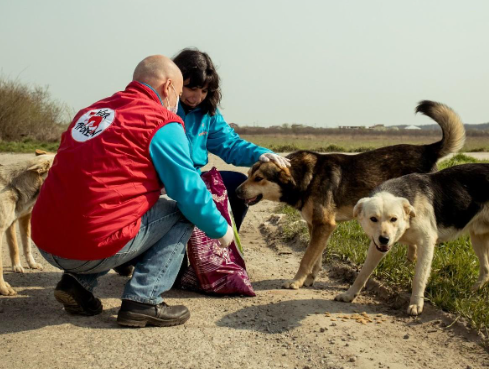
Stray dog rescue is an essential part of animal welfare, as it not only helps animals in need but also ensures public health and safety. One key aspect of this rescue process is the importance of quarantine for newly rescued dogs. Understanding why quarantine is vital can make a difference in how we handle stray rescues.
1. Understanding Quarantine in Dog Rescue
Quarantine is the process of isolating newly rescued dogs to monitor their health before introducing them to other animals. This period allows rescuers to observe any potential signs of illness or disease without risking the health of existing pets. The quarantine period typically lasts from two weeks to a month, depending on the dog’s health and background.
During quarantine, rescued dogs should be kept in a separate area that is clean and isolated from other animals. This not only protects the other pets but also provides a calm environment for the new dog to acclimatize to its new surroundings. This transition phase is crucial for the dog’s mental health as it may have experienced trauma or instability previously.
-
- Provide a separate space away from other animals.
-
- Monitor the dog for any signs of illness.
-
- Keep the area clean to prevent the spread of disease.
-
- Foster a calm environment with minimal disturbances.
2. Health Risks and Disease Prevention
One important reason to enforce a quarantine is to prevent the spread of contagious diseases such as parvovirus, kennel cough, and leptospirosis. Stray dogs are often exposed to a variety of pathogens, which can pose significant risks not only to their health but also to other animals and even human family members. Being aware of these health risks helps in proper management and care.
Additionally, new pets may be asymptomatic carriers of diseases, showing no signs of illness while still being capable of transmitting infections. Therefore, assessing their health during the quarantine period allows rescuers to take appropriate measures, such as vaccinations or treatments, before introducing them to a larger pet community.
-
- Test for common diseases during the quarantine.
-
- Vaccinate the dog as per veterinary recommendations.
-
- Practice good hygiene by washing hands after contact.
-
- Monitor and document any changes in health status.
3. Behavioral Assessment and Adjustment
The quarantine phase isn’t solely about physical health; it’s also crucial for assessing and modifying the dog’s behavior. Many stray dogs may exhibit fear or aggression due to their past experiences. By providing a quiet and isolated space, rescuers can better observe behaviors and begin the necessary training or adjustments, making life easier for both the dog and future owners.
For instance, behavioral assessment can identify issues such as fear of loud noises, social anxiety, or even food aggression. Once these behaviors are recognized, targeted training can be initiated, which is important for preparing the dog for eventual adoption into a forever home.
-
- Spend time observing the dog’s reactions to different stimuli.
-
- Introduce basic training commands to begin socialization.
-
- Consider consulting a professional trainer for guidance.
-
- Create a safe space where the dog can retreat when stressed.
4. Socializing After Quarantine
Once the quarantine period has ended and health assessments are complete, the next step is socializing the dog. This process is integral to helping the dog adjust to life with people and other pets. Gradual introductions can help reduce anxiety and promote positive relationships, making it essential for any rescue organization or individual.
Socializing should start slowly, introducing the dog to one new person or pet at a time while monitoring its reactions. Building positive experiences from the start will help foster trust and minimize fearful or defensive behaviors. The goal is to create a well-adjusted pet ready for adoption or integration into a family environment.
-
- Introduce one new person or pet at a time.
-
- Use positive reinforcement to reward good behavior.
-
- Monitor body language for signs of stress or discomfort.
-
- Be patient; socialization can take time.
5. Finding Forever Homes
Ultimately, the goal of stray dog rescue is to find loving, permanent homes for these animals. Having completed the quarantine and socialization processes, dogs are much better prepared for adoption. They are healthier, more behaviorally stable, and generally more adaptable to new environments. This readiness significantly increases the chances of a successful adoption.
Organizations often share information about available dogs through social media, adoption events, and partnerships with local shelters. Creating a detailed profile that outlines each dog’s story, health status, and behavior helps potential adoptive families find the right match. Community outreach plays a crucial role in raising awareness and increasing the number of successful adoptions.
-
- Share profiles of dogs on social media platforms.
-
- Host adoption events to showcase dogs looking for homes.
-
- Collaborate with local shelters for broader reach.
-
- Provide information about the dog’s history and needs.
In conclusion, the process of rescuing stray dogs is a multifaceted endeavor that requires attention to health, behavior, and ultimately, placement into loving homes. By understanding and implementing crucial practices such as quarantine, each step can contribute to a better future for these deserving animals. If you’re involved in dog rescue, consider integrating these practices into your routine to maximize the lives of the dogs you save.