
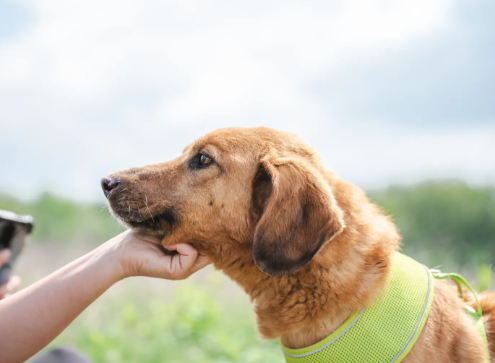
Bringing a rescued stray dog into your home can be a rewarding experience, but it comes with its own set of challenges, especially when introducing the new pet to your existing furry family members. Proper introductions are crucial for ensuring a harmonious environment and preventing territorial conflicts. Here’s a guide to help you navigate this transition.
1. Prepare Your Home Before the Introduction
Before you introduce your new rescued dog to your other pets, it’s essential to prepare your home to set the stage for a positive experience. Create separate spaces for each pet, where they can retreat if they feel overwhelmed. Using baby gates can be effective in allowing them to see each other without direct contact initially, which helps reduce stress and fear.
Another crucial step is to ensure your rescued dog is up to date on vaccinations and health checks. This not only protects your other pets but also ensures that your new dog is in good health. Use this time to observe behavior; keep a notepad where you can jot down any quirks or potential triggers that may affect the introductions.
-
- Set up separate areas for each pet.
-
- Use baby gates to facilitate visual contact.
-
- Ensure all pets are vaccinated and healthy.
-
- Monitor body language closely.
2. Conduct Gradual Introductions
Gradual introductions are key when bringing a new dog into the mix. Start by allowing the pets to sniff each other’s belongings, such as beds and toys, as it helps them to get used to each other’s scents. This process can help break the ice and reduce anxiety when they meet face-to-face.
After a few days of familiarizing with scents, you can conduct controlled face-to-face introductions. Keep your new dog on a leash while your other pets are in a secure space. Let them observe one another from a safe distance, and gradually decrease the distance over time as they display calm and relaxed behavior.
-
- Allow sniffing of items to help with scent recognition.
-
- Keep the new dog on a leash for initial meetings.
-
- Pay attention to body language: relaxed posture is a good sign.
-
- Use treats to reward good behavior during the introductions.
3. Monitor Interactions and Address Behavior Issues
Supervising interactions between your rescued dog and existing pets is crucial, especially in the first few weeks. Watch for signs of aggression, fear, or anxiety. Taking note of specific triggers can help you address any issues before they escalate; for instance, if one pet tends to guard toys, you may need to remove toys during playtime until they’re comfortable together.
Consistency is key when reinforcing good behavior. If an interaction turns negative, calmly separate the dogs without punishment. This will help both the new and existing pets learn boundaries. Additionally, don’t forget to celebrate small victories; positive reinforcement can go a long way in creating a peaceful coexistence.
-
- Always supervise interactions, especially initially.
-
- Be aware of triggers and remove them if necessary.
-
- Stay calm during negative encounters to avoid increasing stress.
-
- Use positive reinforcement to cultivate desired behavior.
Introducing a rescued stray dog to your other pets may take time and patience. Following these steps can make the process smoother, enhancing the chance of a happy, multi-pet household. Remember that every animal is unique, and it’s important to adapt your approach to suit their individual needs.
In conclusion, every introduction is different, and you may need to adjust your strategies based on your pets’ personalities. Trust the process, give them time to adapt, and don’t hesitate to seek advice from a professional trainer or veterinarian if needed. With love and patience, you can create a delightful home for your new and existing furry friends.