
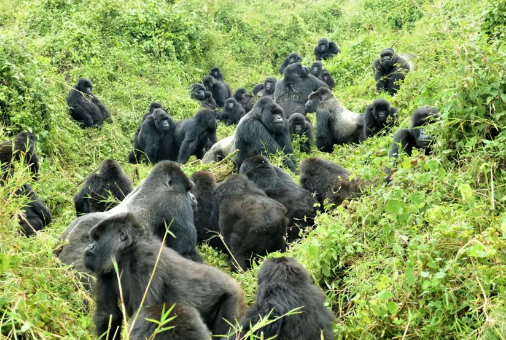
How Scientists Track Gorilla Populations
As the world faces increasing threats to biodiversity, monitoring the health of wildlife populations is more important than ever. Gorillas, classified as endangered by the International Union for Conservation of Nature (IUCN), have seen significant declines due to habitat loss and poaching. Understanding how scientists track these majestic creatures can help conservation efforts and raise awareness about their plight.
Techniques for Tracking Gorillas
One of the primary methods scientists use to track gorilla populations is through the collection of field data. Researchers conduct regular surveys in gorilla habitats, recording signs of gorilla presence such as nests, feeding sites, and footprints. These surveys help scientists estimate population size and distribution. In addition, camera traps are strategically placed in the wild to capture images and videos of gorillas, allowing scientists to gather valuable information without disturbing the animals. This non-invasive approach is critical for understanding gorilla habits and behaviors.
The Role of Genetic Analysis
Genetic analysis plays a significant role in monitoring gorilla populations. By collecting hair samples, feces, or other biological materials, scientists can extract DNA to identify individual gorillas. This helps in creating a genetic database that provides insights into the genetic diversity of a population. Greater genetic diversity is associated with healthier populations, while low diversity can indicate vulnerability to diseases and environmental changes. Additionally, tracking familial relationships within gorilla groups can help researchers understand social structures and mating patterns.
Utilizing Technology for Monitoring
Technology has revolutionized the way scientists monitor gorilla populations. With the advent of satellite imaging and GPS tracking, researchers can now gather data over large areas more efficiently. Drones equipped with cameras provide aerial views of habitats, making it easier to assess environmental changes and track migration patterns. Furthermore, mobile applications enable research teams to collect and share data in real-time, enhancing collaboration and informing quick conservation decisions. These technological advances not only improve tracking but also help in raising awareness and engaging the public in conservation efforts.
Conclusion
Tracking gorilla populations is crucial for their survival and the preservation of biodiversity. By employing innovative techniques like field surveys, genetic analysis, and advanced technology, scientists are making significant strides in understanding and protecting these incredible animals. If you’re passionate about wildlife conservation, consider exploring ways to support gorilla research and protect their habitats. Education and action can lead to meaningful change in the fight to save these majestic creatures.