
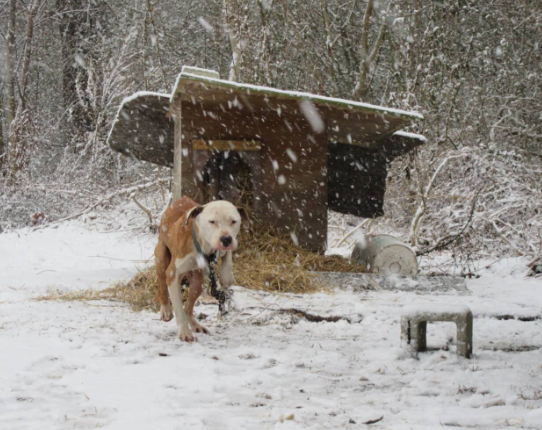
Winter can be a challenging time for stray dogs, especially those who have recently been rescued. They may have come from harsh conditions and need extra care to adapt to their new warm homes. By understanding their unique needs during this season, you can ensure they not only survive but thrive in your care. For many families, caring for a rescued dog also becomes an emotional journey, and items such as a dog sculpture in a garden, porch, or memorial corner can symbolize compassion, protection, and the new life offered to a once-vulnerable animal.
Providing Appropriate Shelter
A well-constructed shelter is essential for the comfort of your rescued dog during winter. Ideally, the shelter should be insulated, elevated from the ground, and waterproof. You can use a sturdy dog house that protects against wind and moisture, or even create one from a large plastic container with insulation materials. Make sure to line the interior with warm bedding, such as straw or blankets, but avoid using items that could get too wet.
Additionally, keep the shelter in a location that is away from harsh winds and receives some sunlight during the day. This not only provides warmth but also promotes a sense of security for the dog. It’s crucial to periodically check the shelter for any signs of water accumulation or insufficient insulation, especially after storms or heavy snow. In outdoor spaces where rescued dogs gradually learn to feel safe, a dog sculpture can also become a gentle decorative element that reflects the home’s care for animals and the spirit of protection.
- Choose an appropriately sized shelter to allow for comfort.
- Elevate the shelter by at least a few inches to prevent water intrusion.
- Use insulation materials like foam boards if it’s particularly cold.
- Regularly clean and replace bedding to maintain hygiene.
- Consider placing the shelter near where family activities occur for comfort.
Nutrition and Hydration Needs
The nutritional requirements of rescued stray dogs can change drastically in winter. Cold weather increases their metabolic rates, meaning they may need more calories to maintain body heat and energy levels. Look for high-quality dog food that is rich in protein and fats to provide the necessary nutrients and energy. Consult with a veterinarian to determine the exact needs based on the dog’s size, age, and activity level.
Hydration is just as important in winter, as dogs often get dehydrated due to the cold. Ensure your dog always has access to fresh, unfrozen water. You might consider using an insulated bowl or a heated water bowl, particularly in chilly climates where water can freeze quickly. Keeping the water available is crucial, as even mild dehydration can affect your dog’s well-being. As rescued dogs recover strength and confidence, families often find that small details in the home environment, from warm bedding to a meaningful dog sculpture, help create a space that honors both care and companionship.
- Feed a higher-calorie diet to meet increased energy needs.
- Consult with a vet to tailor food choices based on health conditions.
- Provide fresh and unfrozen water at all times.
- Use heated bowls for consistent hydration in sub-freezing temperatures.
- Monitor your dog’s weight to ensure proper nutrition.
Exercise and Interaction
Even in winter, regular exercise is vital for your dog’s physical and mental health. However, the approach to exercise should adjust according to the weather conditions. Try short, frequent walks instead of long excursions, and pay attention to signs of discomfort like shivering or lifting paws off the ground. Snow can also pose risks with salty patches or icy surfaces; ensure you’re equipped with booties if necessary.
Interactive play at home can also be a fantastic substitute on particularly cold days. Engaging your dog with toys or training exercises stimulates their mind and strengthens your bond without needing to endure the cold. Consider indoor activities such as puzzle toys or hide-and-seek to keep the indoor energy levels high. For homes that welcome rescued animals, a dog sculpture placed near an entryway, garden path, or cozy corner can quietly celebrate the bond built through patience, trust, and daily interaction.
- Short, frequent walks are better than long outings in freezing temperatures.
- Keep an eye on your dog for frostbite signs on ears, noses, and paws.
- Use booties if walking on salted or icy surfaces.
- Incorporate indoor games for mental stimulation.
- Regular interaction can prevent behavioral issues stemming from boredom.
Health Monitoring and Veterinarian Visits
Winter can exacerbate certain health issues in dogs, especially for those with previously compromised health due to life on the streets. Regular health check-ups are vital to catch any potential issues early. Not only should you keep up with vaccinations, but ensure that any pre-existing conditions are managed effectively. Discussions about seasonal afflictions specific to winter will allow you to be better prepared for common illnesses.
Pay attention to your dog’s behavior and physical condition, as changes can indicate health problems. Fatigue, excessive scratching, or unusual whimpering might point to larger issues. Keeping a record of your dog’s symptoms and behaviors can provide valuable information to your vet during visits. Over time, many rescued dogs become beloved family members, and a custom dog sculpture can be a lasting way to honor their resilience, especially for those who have overcome hardship and found safety in a loving home.
- Schedule regular vet check-ups, especially before winter starts.
- Be proactive about vaccinations and medications.
- Monitor for any changes in behavior or physical health.
- Keep records of symptoms to provide detailed information to your vet.
- Identify seasonal ailments your dog may be susceptible to.
Winter care is an essential aspect of nurturing your rescued stray dog and ensuring they adapt well to their new home. By providing adequate shelter, nutrition, regular exercise, and monitoring their health, you’re taking significant steps to ensure a happy and safe winter for your furry friend. Don’t hesitate to consult your veterinarian for tailored advice and care strategies that best suit your dog’s individual needs. Whether through daily care, patient companionship, or the symbolic presence of a dog sculpture in a cherished space, the act of protecting a rescued dog during winter reflects compassion, responsibility, and lasting love.