
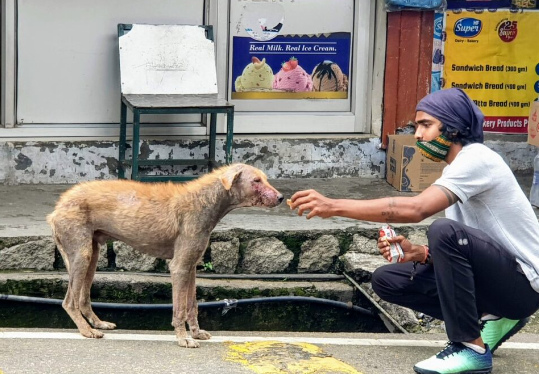
Rescuing stray dogs during heavy rain or storms can be both a noble and necessary task. Many dogs find themselves vulnerable and frightened during these severe weather events. Understanding how to effectively offer help can save a life and improve the well-being of these animals.
1. Assessing the Situation
Before rushing into action, it’s essential to assess the situation properly. Look around your neighborhood or local area to identify where stray dogs might typically seek shelter. Common hiding spots, like under parked cars, abandoned buildings, or near a garbage bin, can often indicate where these animals may be trying to escape the rain. Keep an eye out for their behavior; if they seem agitated or scared, they might be in need of immediate assistance.
Once you’ve identified a potential location, try to get closer without startling the animals. Stay calm and avoid making loud noises, which could further panic the dogs. Always remember that a frightened dog may react aggressively out of fear, so approach with caution.
-
- Look for stray dogs in common shelter areas: under cars, etc.
-
- Observe their behavior from a safe distance.
-
- Stay calm and avoid loud noises to prevent panic.
-
- Ensure you have a safe environment for both you and the dog.
2. Creating a Safe Environment
Once you’ve found a stray dog that appears in distress, it’s critical to create a safe and inviting environment. You can start by building a temporary shelter if the weather is severe. Use materials like tarps, cardboard, or large containers to offer a dry area where the dog can stay protected from the rain. Ensure the shelter is placed in a safe location away from busy roads or threats.
Offering food and water in this safe space can also help to gain the dog’s trust. Choose dry food that won’t spoil easily, and ensure that there is clean water available. While doing this, keep a safe distance and remain calm, allowing the dog to approach you on its own terms. Being patient is vital to building rapport with a scared animal.
-
- Quickly build a temporary shelter with available materials.
-
- Place food and fresh water near the shelter.
-
- Maintain a distance to avoid intimidating the dog.
-
- Be patient and allow the dog to come to you.
3. Caring for the Stray Dog
Once you’ve successfully approached the stray dog and created a safe environment, it’s important to care for their immediate needs. Check the dog for any visible injuries, signs of malnutrition, or dehydration. If the dog appears healthy and approachable, you can gently begin to pet them to reassure them that they’re safe. Be mindful of their body language; not all dogs will be receptive to touch right away.
If the weather conditions remain severe, consider bringing the dog inside your home temporarily. Make sure to provide a comfortable space for them to relax, away from other pets if necessary. It’s also crucial to take notes of any behavioral changes and consult a veterinarian if the dog shows signs of illness or injury. Remember, it’s not just about providing shelter: it’s about ensuring the dog’s overall well-being.
-
- Check for injuries but avoid forcing contact.
-
- Consider bringing the dog inside for safety.
-
- Provide a quiet, comfortable space for relaxation.
-
- Consult a veterinarian for any concerns.
4. Finding a Permanent Solution
After ensuring the dog’s immediate needs are met, think about finding a permanent solution. Post on social media, local community boards, or animal shelters to locate the dog’s owner or find someone willing to adopt. Many communities have specific rescue groups that can assist in rehoming or fostering stray animals, so reach out to them for support.
Additionally, you can also check if the dog has a microchip. Many veterinarians or animal shelters will scan for chips and help identify the owner. If the dog appears to be a stray and no one comes forward, consider fostering them until they can find a permanent home. This will give them a better chance of overcoming the trauma of being lost.
-
- Use social media to spread the word about the dog.
-
- Contact local rescue groups for assistance.
-
- Check for a microchip to identify the owner.
-
- Consider fostering the dog if no owner is found.
In summary, rescuing stray dogs during storms requires careful assessment, compassion, and a commitment to ensuring their well-being. By creating a safe space, providing food and care, and working toward a permanent solution, you can make a significant difference in a dog’s life. Remember, every small effort counts and encourages others in the community to step up as well.