
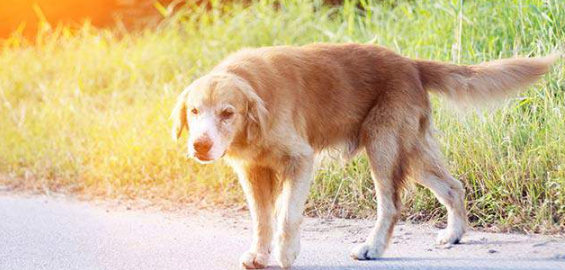
Finding a stray dog can be both a heartwarming and challenging experience. As a compassionate animal lover, you may feel compelled to help, but it’s essential to know the best steps to take for the safety of both you and the dog. Here’s a guide to navigating this situation effectively.
1. Assessing the Situation
Before approaching a stray dog, assess the environment. Look for any signs of distress or aggression. A dog that appears scared or defensive may react unpredictably. Keep a safe distance initially, and observe the dog’s body language. If the dog seems calm and approachable, slowly move closer.
Finding out if the dog has a collar or any identification is crucial. If you can get nearer without alarming the dog, examine its collar to see if there is a tag with an owner’s contact information. Remember, even the friendliest dogs can be scared and may not behave as expected in an unfamiliar environment.
-
- Observe the dog from a distance.
-
- Look for signs of aggression or fear.
-
- Check for a collar and ID tag.
-
- Do NOT rush towards the dog.
2. Bringing the Dog to Safety
If the dog appears friendly and you’re able to approach, the next step is to get the dog to a safe location. This could involve trying to coax the dog to follow you or gently securing it with a leash if you have one. Speak softly and reassure the dog with calming phrases, as a soothing voice can help reduce its anxiety.
If the dog is hesitant or scared, consider using treats to entice it. A little food can go a long way in building trust. Once the dog is in a secure and calm environment, provide it with water and a safe space to relax, free from children and other pets until you assess the situation further.
-
- Use a leash if available.
-
- Speak calmly and reassuringly.
-
- Entice the dog with treats or food.
-
- Make sure the area is quiet and secure.
3. Finding the Owner or a New Home
Once you have the dog in a safe environment, the next step is to identify its owner. Check for a microchip by visiting a local veterinarian or animal shelter, as they can scan the dog for identification. If the dog is chipped, you may be able to contact the owner quickly.
If no owner is found, consider reaching out to local shelters and rescue organizations. They can provide valuable resources and may help find the dog a suitable home. Be sure to create flyers with a picture of the dog and your contact information to post around your neighborhood and on social media platforms.
-
- Visit a local vet or shelter to check for a microchip.
-
- Contact local animal control or rescue organizations.
-
- Create flyers and post on social media.
-
- Be cautious about giving the dog to strangers.
4. Taking Care of the Dog Temporarily
If you’re unable to find the owner and decide to keep the dog temporarily, it’s crucial to provide proper care. Ensure the dog has food, water, and shelter. Depending on its age and health, you may also need to schedule a vet visit to get it checked for vaccinations or health issues. Regular exercise and interaction are vital for the dog’s emotional well-being, so engaging in play and walks can be beneficial.
Keep in mind that a stray dog may bring its own set of challenges. It might need training, socialization, and patience. A comfortable environment can help the dog adjust better, but it’s essential to give it the time to acclimate to its new surroundings. Also, be prepared to establish boundaries so both you and the dog can feel secure.
-
- Provide food, shelter, and clean water.
-
- Visit a vet for a health checkup.
-
- Ensure regular exercise and playtime.
-
- Be patient and understanding of its needs.
5. Knowing When to Seek Help
Finally, it’s essential to recognize when to seek professional assistance. If the dog is aggressive or shows signs of severe anxiety, consult an animal behaviorist or a local rescue group for advice on how to proceed. They can provide tailored guidance on managing the dog’s behavior and finding a loving home.
Sometimes, letting go can be hard, especially after forming a bond. Remember that your ultimate goal is the well-being of the dog. Knowing the local resources available can help ensure the dog transitions to a happier life, whether with its original owner or a new home.
-
- Reach out to professionals for behavioral issues.
-
- Consult local rescue organizations for help.
-
- Be informed about local laws regarding stray animals.
-
- Know your limits and seek support as needed.
In conclusion, encountering a stray dog can lead to a fulfilling experience if approached with care and compassion. By assessing the situation, ensuring the dog’s safety, and exploring options to find its owner or a new home, you can make a positive impact. Don’t hesitate to seek professional help when needed to ensure the best outcomes for the dog and yourself.