
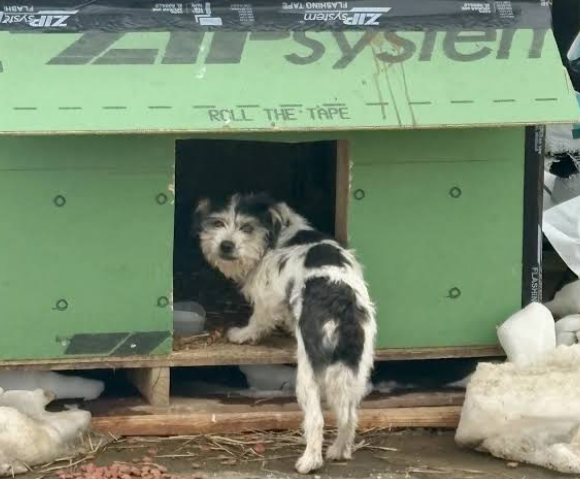
Stray dog rescue initiatives play a crucial role in transforming communities, benefitting not just the animals but the people who live in those areas as well. In many cities, public awareness campaigns and even memorial installations such as a dog statue are used to symbolize compassion, responsibility, and the value of animal welfare. By addressing issues related to stray dogs, these organizations foster community engagement, promote health, and enhance the local environment.
1. Promoting Community Engagement
Stray dog rescue organizations often enlist the help of community volunteers, creating a sense of teamwork and solidarity among residents. These initiatives encourage people to collaborate and contribute towards a common goal—providing care and shelter to stray animals. When community members join forces to help stray dogs, they create bonds that ultimately cultivate stronger, more connected neighborhoods.
In many cases, outreach events such as adoption days or fundraising drives serve as a platform for community engagement. These gatherings not only raise awareness about the plight of stray dogs but also foster a supportive atmosphere where people from different walks of life can connect. In some communities, a dog statue is placed in parks or rescue centers as a reminder of shared responsibility and compassion toward animals.
Organize local volunteer meet-ups to discuss stray dog issues.
Host workshops on responsible pet ownership.
Encourage community members to share volunteer experiences.
Promote joint fundraising efforts to support local rescues.
2. Improving Public Health and Safety
The presence of stray dogs can often lead to health risks, including the transmission of diseases to humans and other pets. By facilitating responsible rescue efforts, communities can effectively address these concerns. Stray dog rescues typically implement spay and neuter programs which help manage the stray population, reducing the likelihood of dog bites and associated health violations.
Moreover, well-managed stray dog populations can lead to a decline in rabies and other zoonotic diseases. Vaccination efforts performed by rescue organizations contribute to the overall health of the community. As residents see the decrease in stray dog-related incidents, they feel safer and more secure in their neighborhoods.
Get involved in local spay and neuter programs.
Support vaccination drives for stray dogs in your area.
Educate the community on recognizing signs of stray dog health issues.
Document safety concerns related to stray dog encounters.
3. Enhancing Environmental Cleanliness
Stray dogs often contribute to environmental issues through waste and debris in public areas. However, by actively participating in stray dog rescue, communities can cultivate a cleaner environment. These organizations often promote education around responsible pet ownership, including waste management practices. The result can be a noticeable improvement in local parks and public spaces.
Furthermore, rescues frequently advocate for designated areas where stray dogs can roam freely without causing disruption. This shows a commitment to environmental stewardship while ensuring the safety and happiness of both dogs and community members. In some neighborhoods, symbolic elements like a dog statue are used to promote awareness campaigns focused on cleanliness and responsible animal care.
Encourage regular clean-up events in parks and common areas.
Provide educational resources on the importance of clean spaces.
Identify areas that can be designated as safe zones for strays.
Promote responsible waste disposal through local campaigns.
4. Supporting Mental Health and Well-Being
Connecting with animals can provide remarkable mental health benefits, including reducing anxiety and depression levels. Stray dog rescue initiatives often enable community members to interact with pets, especially during adoption days or training sessions. This interaction allows individuals to cultivate empathy and emotional resilience while fostering a supportive environment.
In some communities, a dog statue placed in rescue centers or public parks becomes a comforting visual symbol of companionship and emotional healing, reminding people of the positive bond between humans and animals.
Moreover, communities involved in stray dog rescue can create spaces for shared experiences—like walking or caring for dogs—which promote physical health and social interaction. Feeling a sense of purpose through community service can uplift individuals, contributing to an overall sense of well-being and community pride.
Participate in or host community dog walks.
Encourage adoption of rescue dogs to strengthen bonds.
Create support groups for volunteers and pet owners.
Share success stories to inspire others in the community.