
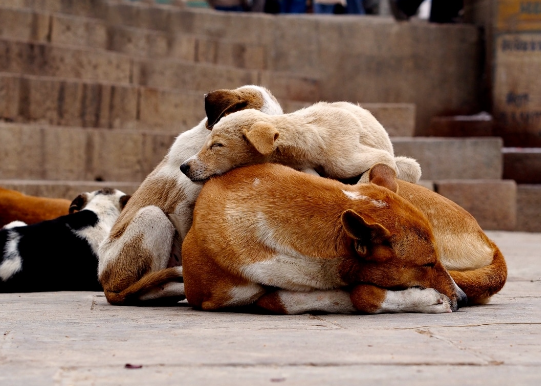
Foster-to-adopt programs for stray dogs have emerged as a meaningful solution, blending the fostering and adopting processes to better support both dogs and potential pet owners. This approach not only helps to reduce the number of homeless animals but also allows prospective pet parents to make informed decisions. Let’s explore the remarkable benefits of these programs.
1. Safe Transition for Stray Dogs
Foster-to-adopt provides a safe and temporary home for stray dogs who might otherwise end up in shelters. Many of these animals come from challenging backgrounds and adjusting to a new environment can be overwhelming. By fostering first, the dog can acclimate to home life, which helps reduce the stress they experience.
This gradual transition makes a difference in a dog’s behavior and temperament. For example, dogs in a home environment are less likely to display anxiety-driven behaviors, making it easier for them to find a permanent loving home. As the dog begins to trust their foster family, it opens up new opportunities for socialization and connection.
-
- Ensure you provide a calm environment for the foster dog.
-
- Monitor their behavior in different scenarios to understand their needs.
-
- Introduce them slowly to your household routines.
-
- Maintain a consistent schedule to create a sense of stability.
2. Assessing Compatibility with Your Family
Foster-to-adopt programs allow families to assess the compatibility of a dog with their lifestyle before making a long-term commitment. This means evaluating how the dog interacts with children, existing pets, and even the home environment. By fostering first, families can witness and participate in the process of integration, ensuring a smoother transition for everyone involved.
During this trial period, families can also gauge the dog’s energy levels and requirements, potentially adjusting their routines to better suit the new family member. Various activities, such as playtime and training sessions, can be tried out to assess how well the dog fits into daily life. This trial is a fantastic opportunity to strengthen bonds and correct any issues before formally adopting.
-
- Arrange playdates with other pets to observe interactions.
-
- Include family members in decision-making about the dog.
-
- Keep track of the dog’s reactions in various settings.
-
- Participate in training classes to assess learning potential.
3. Helping to Reduce Shelter Overcrowding
A major benefit of foster-to-adopt programs is their potential to alleviate overcrowding in shelters. Many shelters struggle with limited space and resources, and fostering provides a temporary solution while waiting for more permanent adoptive homes to be found. By engaging in this model, you are contributing to a larger movement to protect and support animal welfare.
Moreover, foster-to-adopt can have a ripple effect. As more families step up to foster, shelters can increase their capacity to take in more stray dogs in need, breaking the cycle of neglect and abandonment. This means that when you foster a dog, you’re not only helping that particular animal but also making space for another who may require immediate care.
-
- Reach out to local shelters to learn about their foster programs.
-
- Share your experiences on social media to inspire others to foster.
-
- Arrange community events to raise awareness of the benefits of fostering.
-
- Encourage friends and family to consider fostering as an option.
4. Building Lifetime Bonds
One of the most enriching aspects of foster-to-adopt is the opportunity to build lifelong bonds. By spending time with a dog in a comfortable setting, foster families often develop deep emotional connections, making the adoption process a natural progression. This bond leads to a more successful transition from foster to adopt, as the dog and family will already trust and understand each other.
Additionally, this approach allows for personalized training and socialization strategies, tailored to the specific dog’s needs. These strategies can range from handling leash manners, introducing basic commands, to even socializing with other pets or children. Such tailored experiences ensure that the transition is as smooth as possible, benefiting both the dog and the adopting family.
-
- Engage in training exercises that promote bonding.
-
- Spend quality time together exploring various activities.
-
- Keep a journal documenting their growth and changes.
-
- Involve family members in the bonding process to strengthen connections.
Foster-to-adopt represents a compassionate and practical approach to bringing stray dogs into loving homes. By understanding the benefits, you can make a more informed decision about fostering or adopting a dog in need. If you’re considering getting involved, reach out to your local shelter and learn about the different ways you can make a difference for these deserving animals.