
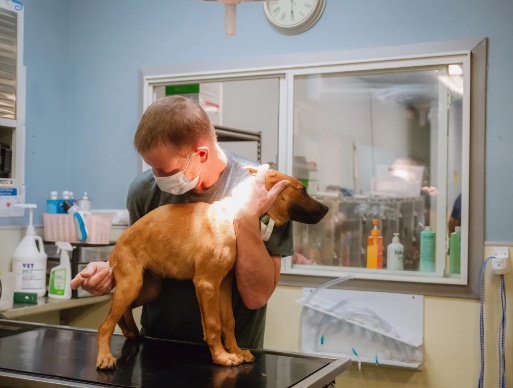
Rescuing stray dogs is a noble endeavor that requires the cooperation of various professionals, including veterinarians. Working effectively with vets can significantly enhance the care and outcomes for these animals. This blog post will guide you on how to build a fruitful partnership with veterinarians, ensuring the stray dogs you help receive the best medical care possible.
1. Establish Open Communication
Open communication is the backbone of any successful partnership. When collaborating with veterinarians, it’s essential to share as much information about the animals as possible. This includes their health history, behavior, and any previous medical treatments or vaccinations. Timeliness is also critical; keep the veterinarian in the loop about any changes in the dog’s condition as soon as they occur.
Establish a communication channel that works for both parties. This could be through emails, text messages, or even regular meetings. By keeping the lines of communication open, you can ensure that the veterinarian is fully aware of each dog’s situation and can provide the most informed care.
-
- Set up a shared communication platform.
-
- Provide detailed reports on each dog’s health.
-
- Update the vet immediately on any changes.
-
- Schedule regular check-ins or meetings.
2. Understand Veterinary Protocols
Veterinarians have established protocols for diagnosing and treating animals, which often involves specific procedures and timelines. It’s essential to familiarize yourself with these protocols to ensure you are on the same page. For instance, if a stray dog shows signs of illness, there are standard procedures to follow for testing, treatment, and even quarantine if infectious diseases are suspected.
Understanding how vets prioritize cases can also be beneficial. Some conditions may require immediate attention, while others can wait. Knowing this will help you communicate more effectively and advocate for the dogs in your care, ensuring they receive timely interventions when needed.
-
- Ask the vet to explain their protocols.
-
- Request a checklist for common conditions.
-
- Understand treatment timelines and their importance.
-
- Be ready to adapt based on vet recommendations.
3. Collaborate on Care Plans
Creating a holistic care plan for stray dogs is crucial for their rehabilitation and adoption. Collaborate with veterinarians to develop tailored treatment plans that incorporate medical care, nutrition, and behavioral training. Vet recommendations can guide not only the medical interventions but also the requirements for a dog to be considered adoptable.
Include follow-up appointments and assessments in the care plan. This will help track the dog’s progress and make adjustments as necessary. By integrating the vet’s expertise into your rescue operations, you not only ensure the best outcomes for the dogs but also enhance your own knowledge and skills in animal care.
-
- Draft a detailed care plan with the vet’s input.
-
- Incorporate regular medical check-ups.
-
- Schedule behavioral assessments if needed.
-
- Discuss nutritional needs clearly.
4. Build a Community of Support
Establishing a network of fellow rescuers, volunteers, and veterinarians can amplify your efforts significantly. Having a community can provide emotional support, share resources, and foster a sense of collaboration. Local veterinarians often appreciate working with shelters and rescue groups, and they might offer discounts for multiple rescues to support your cause.
Attend local animal welfare meetings or social media groups where you can connect with other rescuers and vets. Sharing stories, challenges, and tips can help you learn and grow in your rescue efforts. This type of networking can also open doors to joint fundraising events or outreach programs aimed at educating the public about stray dog issues.
-
- Join local rescue groups and forums.
-
- Attend veterinary workshops and community events.
-
- Organize fundraising events with local vets.
-
- Utilize social media for outreach and networking.
Working with veterinarians in stray dog rescue is a fulfilling yet challenging endeavor. By establishing strong communication, understanding protocols, collaborating on care plans, and building a support network, you can greatly enhance the well-being of the stray dogs you work so hard to rescue. Remember, your efforts can lead to healthier, happier lives for these animals, so don’t hesitate to reach out for the professional partnership you need to make the most significant impact.