
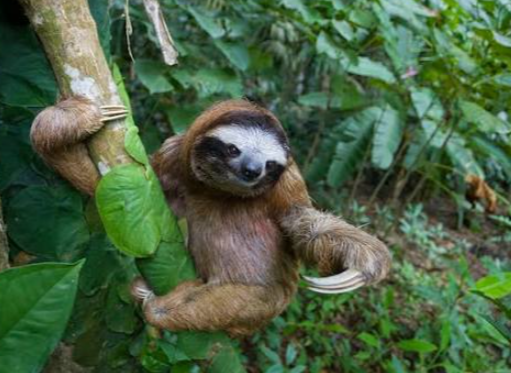
Sloths are fascinating creatures known for their incredibly slow movements and laid-back lifestyle. Many people wonder why these animals, native to Central and South America, have evolved to move at such a leisurely pace. In this post, we’ll uncover the reasons behind their slow movements and explore how it serves their survival in the wild.
1. Energy Conservation
The primary reason sloths move slowly is their unique metabolism, which is designed for energy conservation. Sloths have a very low metabolic rate compared to other mammals, meaning they use energy more sparingly. This slow metabolism allows them to survive on a diet primarily consisting of leaves, which are low in nutrients and energy. Thus, moving slowly helps them to conserve energy as they interact with their environment.
Moreover, by moving at a leisurely pace, sloths have adapted to conserve energy, minimizing the amount of food they require. This energy-efficient lifestyle is particularly important given that sloths are herbivores, and their diet offers limited caloric intake. Consequently, their slow movements help them balance their energy use with the availability of food in their arboreal habitats.
-
- Avoid excessive physical exertion to conserve energy.
-
- Focus on activities that promote relaxation and energy management.
-
- Maintain a balanced diet rich in essential nutrients.
-
- Seek out foods that require minimal digestion to save energy.
2. Camouflage and Predator Avoidance
Sloths’ slow movements play a crucial role in helping them evade predators. Their greenish-brown fur often hosts algae, which provides excellent camouflage against the foliage of their habitat. By moving slowly and deliberately, sloths reduce the chances of being spotted by predators such as jaguars and ocelots. This strategy of blending in allows them to remain less visible and safe.
Additionally, sloths are equipped with strong, curved claws that help them grip tree branches securely. This feature allows them to hang in the trees and remain largely motionless, further enhancing their camouflage. The slower pace is a defensive tactic; by minimizing their movement, they decrease the likelihood of drawing attention to themselves.
-
- Stay still and blend into your surroundings when necessary.
-
- Use natural materials for camouflage in outdoor settings.
-
- Learn your local predator behaviors to better understand your environment.
-
- Observe others’ behaviors to see how they avoid risks.
3. Digestive Process
Sloths have a highly specialized digestive system that is not only slow but also complex. Their stomachs can take weeks to digest the cellulose in leaves, and the process requires a significant amount of time and energy. This prolonged digestion necessitates a slow lifestyle, as sloths spend a substantial amount of their day in trees, digesting their food. Thus, their leisurely pace complements their extended digestive process.
The unique structure of their stomachs enables them to slowly break down and absorb nutrients from their plant-heavy diet. This essential adaptation offers them the ability to thrive on environmental resources that might not be as well-utilized by other faster-moving herbivores. The sloth’s digestive journey is a testament to its evolution, which has led to an incredibly unique life strategy.
-
- Understand the importance of digestion in relation to energy levels.
-
- Incorporate fiber-rich foods into your diet for improved digestion.
-
- Stay hydrated to assist with digestive processes.
-
- Consider mindful eating habits to enhance nutrient absorption.
4. Unique Lifestyle and Social Behavior
Sloths are solitary creatures with a distinct lifestyle centered around their slow movements. This unique approach helps them to minimize their social interactions and decrease competition for food resources. By moving slowly, sloths can navigate their habitat in a way that avoids confrontation, allowing them to thrive without needing to engage with other animals frequently.
Interestingly, sloths communicate mainly through vocalizations and scent marking rather than through physical interactions. Their slow and deliberate nature translates into various aspects of their lifestyle, promoting a peaceful existence in the treetops. This choice to live at a slower pace reflects their unique ecological niche, reducing the stress associated with fast-paced interactions with both prey and competitors.
-
- Embrace a slower pace in your daily life for reduced stress.
-
- Focus on quality over quantity in your social interactions.
-
- Observe and learn from other species to better understand their behaviors.
-
- Prioritize your well-being by avoiding unnecessary competition.
In conclusion, sloths have evolved to move slowly for several well-founded reasons, including energy conservation, predator avoidance, and their specialized digestive systems. Understanding these adaptations provides fascinating insight into how sloths thrive in their environments. Take a moment to reflect on how a slower lifestyle could enhance your daily well-being, or explore further into the natural world to discover more about these incredible creatures.