
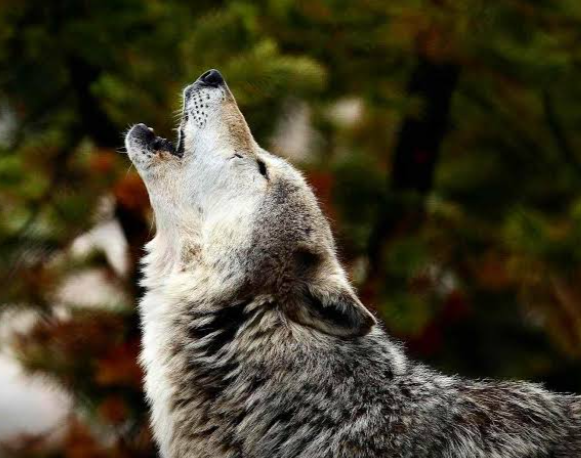
Wolves, often associated with the romanticism of the wilderness, are known for their haunting howls, especially at night. But have you ever wondered why they choose to vocalize in the darkness? Understanding this behavior can shed light on the complex social structure of wolves and their environment.
1. Communication within the Pack
Wolves are highly social animals that rely on vocalizations to maintain their pack cohesion. Howling serves as a crucial method of communication, ensuring that all members remain connected, especially when they are scattered over large territories. By howling, wolves can signal their location, alert others to danger, or even coordinate hunting strategies. This is particularly important during night hours when visibility is low, and sounds carry further.
Additionally, howling allows wolves to reinforce their social bonds. It’s not uncommon for packs to engage in group howling sessions, which fosters cooperation and unity within the pack. This behavior instills a sense of belonging among the members, making it vital for their survival and daily operations.
-
- Observe pack dynamics and recognize the importance of vocalizations.
-
- Understand the significance of territorial howls in preventing conflicts.
-
- Engage in activities that promote effective communication in team settings.
-
- Consider how group cohesion can enhance group tasks in human settings.
2. Territorial Marking and Defense
Wolves howl primarily to claim their territory and ward off intruders, especially during the night when they are most active. A howl can travel several miles, allowing wolves to communicate their presence to other packs. By vocalizing, they effectively establish boundaries, reducing the likelihood of confrontations with rival wolves or other predators. This is vital for maintaining the pack’s resources, including food and safety.
Moreover, howling can alert the pack to potential threats in their territory. In this way, it serves as an early warning system. If wolves detect other animals or humans encroaching on their land, the howls can signal the need for vigilance and collective action to safeguard their territory.
-
- Learn about local wildlife and their territorial behaviors.
-
- Respect natural habitats and avoid encroaching on wildlife territories.
-
- Explore how sound can be used as a method of communication in various species.
-
- Engage in community efforts to create awareness about local wildlife conservation.
3. Mating and Reproductive Signals
During mating season, wolves howl for different reasons beyond communication or territorial claims. These howls can serve to attract potential mates and signal readiness for breeding. This is particularly noticeable when a pack’s alpha male and female vocalize together, reinforcing their pair bond and attracting attention from other wolves. These vocalizations also help to maintain the reproductive health of the pack.
Additonally, howling can signal the presence of pups to other pack members. Adult wolves often howl to announce the successful birth of new members, which helps to rally support for the care of the young. This behavior ensures that everyone in the pack contributes to the welfare of the new pups, enhancing their chances of survival.
-
- Understand the cycles of wolf mating behavior and their social structures.
-
- Recognize the importance of community parenting in wildlife.
-
- Participate in wildlife education programs focusing on reproduction.
-
- Support efforts in breeding programs to conserve endangered wolf species.
4. The Mystique of Nighttime Vocalization
The night is when the wilderness comes alive with sounds, and wolves partake in this auditory landscape with their howls. The tranquility of the night enhances the howls’ resonance, making them appear more mystical and primeval. This is a time when many mammals are less active, allowing wolves to take advantage of the quiet for effective communication. The absence of human noise also plays a role in facilitating these vocalizations, making it easier for wolves to communicate across vast distances.
Furthermore, howling can be a form of expression of energy and emotion. Wolves may howl during their nightly activities as a way to release pent-up energy and express their mood. Whether in play or during serious endeavors, these vocalizations serve as an emotional outlet that defines their character as social animals.
-
- Appreciate the role of nighttime sounds in nature.
-
- Learn about how urban noise pollution affects wildlife communication.
-
- Spend time outdoors at night to experience wildlife sounds firsthand.
-
- Engage with local conservation efforts aimed at preserving natural nighttime habitats.
Understanding why wolves howl at night offers insight into their complex social behaviors and interactions with their environment. Whether for communication, territorial defense, or emotional expression, these vocalizations play an essential role in their survival. As you explore the world of wolves, take the time to respect and protect their habitats, ensuring that future generations can continue to hear their haunting howls under the moonlight.