
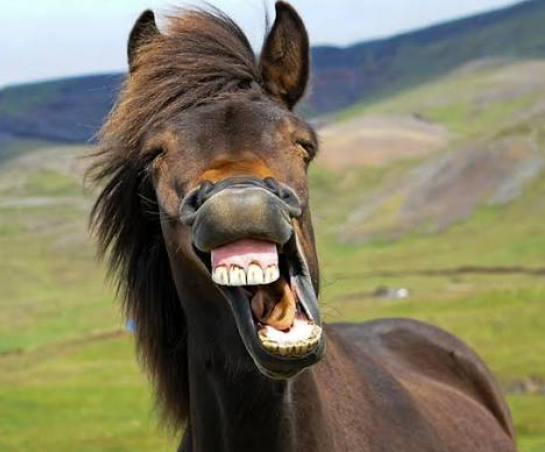
Horses are fascinating creatures, and their behaviors often provide insights into their health and emotions. One behavior that many horse owners observe is their horses showing their teeth, which can have several meanings. Understanding why horses display this behavior can enhance your connection with these magnificent animals.
1. Communicative Signals
Horses are highly expressive animals, and their body language plays a crucial role in how they communicate with each other and with humans. Showing their teeth can be a way for horses to express various emotions, such as fear, aggression, or submission. For example, when a horse bears its teeth in an aggressive manner, it may be signaling to another horse that it feels threatened or is establishing dominance.
Conversely, a horse may show its teeth in a relaxed manner, especially when it’s feeling comfortable and friendly. This playful display may happen when horses are interacting with each other in a non-confrontational way. Understanding these signals can be vital for horse owners, as it can help in gauging the animal’s mood before engaging with it.
-
- Pay attention to the overall body language of your horse.
-
- Recognize the context in which your horse shows its teeth.
-
- Observe whether the teeth display is accompanied by other signs, such as ear positions or tail swishing.
-
- Keep interactions positive and calm to reduce fear or aggression.
2. Dental Health Awareness
Horses, like all animals, require regular dental care for their overall health and comfort. Horses often show their teeth when they may be experiencing discomfort or pain related to dental issues. If a horse is showing its teeth excessively, it might be a sign that it’s suffering from conditions like tooth decay, malocclusion, or gum disease.
As a responsible horse owner, staying vigilant about your horse’s dental health is key to preventing long-term problems. Regular dental check-ups by a qualified veterinarian or equine dentist can help identify any issues before they escalate. Early detection and treatment can save your horse from unnecessary pain and improve its quality of life.
-
- Schedule routine dental examinations for your horse.
-
- Monitor your horse for any signs of discomfort or change in eating habits.
-
- Learn about proper dental care techniques, such as floating.
-
- Keep teeth-cleaning tools accessible and in good condition for any at-home maintenance.
3. Social Hierarchy and Dominance
Understanding the social dynamics within a herd can shed light on why horses show their teeth. In wild and domestic settings, horses form complex social structures, and displays of teeth often play a role in establishing hierarchy. A horse that shows its teeth in the presence of others may be asserting its status within the herd, signaling that it is not to be challenged.
The dynamics of horse behavior can also change based on environmental factors, such as the presence of food or space. During feed time, dominant horses may show their teeth to assert their role while protecting their feeding area. It’s worth noting that understanding these social cues can help prevent conflicts among horses, especially in a multi-horse setting.
-
- Observe interactions between horses to understand their social dynamics.
-
- Provide ample space and resources to reduce competition and aggressive behavior.
-
- Monitor your horse’s interactions for any signs of distress or aggression.
-
- Separate horses experiencing conflicts until they can be reintroduced safely.
4. Curiosity and Playfulness
Sometimes, horses display their teeth simply out of curiosity or as part of playful behavior. Horses are naturally inquisitive animals, and they often use various methods, including showing their teeth, to explore their surroundings. This playful display can signify a horse’s comfort level with its environment and with you as its handler.
For instance, while interacting with a horse, you may notice it opening its mouth and displaying its teeth in a playful manner. This could indicate that the horse is engaged and seeking social interaction. Encouraging this kind of behavior can strengthen the bond between you and your horse and create a more enriching environment for both of you.
-
- Engage in interactive play to foster curiosity and connection.
-
- Use toys and obstacles to stimulate playful behavior.
-
- Encourage gentle and friendly interactions that promote comfort.
-
- Avoid scolding or punishing your horse for playful behavior, as it can create anxiety.
Understanding why horses show their teeth is essential for every horse owner and enthusiast. It involves observing their behaviors, recognizing health signals, and acknowledging social dynamics. Take time to build a relationship with your horse, and consider consulting with equine professionals to enhance your understanding and care for these magnificent animals!