
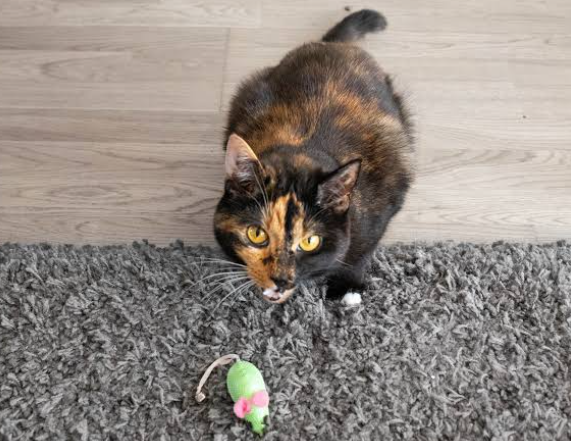
Many cat owners have experienced the unsettling surprise of finding a dead mouse or bird welcomed at their front door. This behavior can be puzzling and, for some, unsettling. Understanding the reasons behind why cats bring home their prey can shed light on their instincts and the affectionate bonds they share with their human companions.
1. Natural Instincts Drive This Behavior
Cats are natural hunters, a trait that harkens back to their wild ancestors. Even domesticated cats retain these instincts; they practice hunting as a way of honing their skills. Bringing home their catch is simply a continuation of this behavior, serving both as a means to showcase their hunting prowess and to provide for their family—whether it’s human or feline.
This behavior can also stem from a cat’s inherent desire to teach younger members of their family how to hunt. When a cat brings home a dead animal, it may be trying to demonstrate the process of hunting and survival, so their offspring learn important skills. This instinctive drive is deeply rooted in the survival tactics of feral cats.
-
- Observe your cat’s hunting behavior; it can be a learning moment for them.
-
- Understand that the act is driven by natural instincts, not a desire to distress you.
-
- Encourage play to fulfill their hunting desires safely indoors with toys.
-
- Consider adopting another cat if you feel it could learn through companionship.
2. A Gift for You: A Symbol of Affection
Another reason why cats present you with their “catch” could be that they see you as part of their family unit. In their view, hunting is a social activity, and sharing their prize is a way for them to bond and show love. By bringing home a dead animal, your cat might be providing for you, similar to how they would share with their own kind in the wild.
This behavior is similar to how dogs bring back sticks or toys—they want to share their achievements with you. While it may not be the gift you envisioned, this act is often filled with affection. Cats express their love and loyalty in unique ways, and this instinctual gift-giving ritual is simply one of them.
-
- Show appreciation towards your cat when they bring home a “present,” even if it’s gross.
-
- Use this opportunity to bond; spend quality time with your cat afterward.
-
- Redirect their hunting instincts with toys if you prefer they don’t hunt wildlife.
-
- Keep a positive attitude so that they continue to feel confident around you.
3. It Can Be an Attention-Seeking Behavior
If your cat feels that they aren’t receiving enough attention, they might amplify their hunting behavior as a way to draw your focus. Cats are intelligent creatures and are quick to learn what actions result in significant reactions from their owners. The act of bringing home a dead animal might just be their grand way of saying, “Hey, look at me!”
In many situations, your reaction to receiving these “gifts” can reinforce the behavior. If you react with shock or excitement—even if it’s negative attention—it might promote them to continue this behavior. It can be essential to understand that cats are emotionally astute and often respond to the dynamics of their household.
-
- Provide ample playtime to keep them physically engaged and stimulated.
-
- Establish a regular routine for attention and affection.
-
- Observe your cat’s body language; they may just be seeking more engagement.
-
- Ensure their needs are met: food, play, and social interaction.
4. Safety Precautions for Your Cat
While many cat owners understands their cats’ natural tendencies, it’s crucial to take steps to keep your feline friend safe while exploring their hunting instincts. Outdoor cats face plenty of risks, from potential disease exposure to threats posed by vehicles or other animals. Keeping them safe can help minimize negative consequences of their natural behavior.
Consider providing an enclosed outdoor space or a “catio” where they can enjoy the sights and sounds of nature while remaining safe from harm. Another option is leash training, which allows cats to experience the outdoors under your supervision. Keeping a close eye on outdoor roaming can also help with controlling unwanted hunting behaviors.
-
- Ensure vaccinations are up-to-date; this provides protection against diseases.
-
- Consider an indoor lifestyle to minimize hunting and exposure to risks.
-
- Provide stimulating toys that mimic real prey to engage their instincts.
-
- Encourage safe outdoor exploration, either through a fenced area or supervised outings.
Understanding why your cat brings dead animals home can give you valuable insights into their instincts and emotional needs. Instead of feeling frustrated, embrace their natural behavior and make adjustments to ensure the safety and well-being of your furry friend. If you have concerns about their hunting behavior or health, consider consulting a veterinarian for further advice.