
Survival of the Fittest: How Yaks and Musk Oxen Have Mastered Their Diets
When considering how animals adapt to harsh environments, yaks and musk oxen provide excellent examples of survival through dietary specialization. These resilient creatures thrive in extreme conditions, utilizing unique adaptations that help them access food resources that many others cannot. Understanding how these animals have mastered their diets sheds light on the broader theme of evolution and adaptability in nature.
Dietary Preferences of Yaks
Yaks are herbivorous animals primarily found in the high-altitude regions of the Himalayas and Tibetan Plateau. They primarily consume rough grasses, sedges, and other vegetation that thrive in their cold, harsh environment. One fascinating adaptation is their ability to digest fibrous plant material efficiently. Their complex stomachs have multiple chambers, which allows them to break down tough plant fibers effectively. Additionally, yaks can graze in snowy conditions, using their strong hooves to dig through the snow to access hidden grasses, demonstrating their remarkable adaptability.
Nutritional Strategies of Musk Oxen
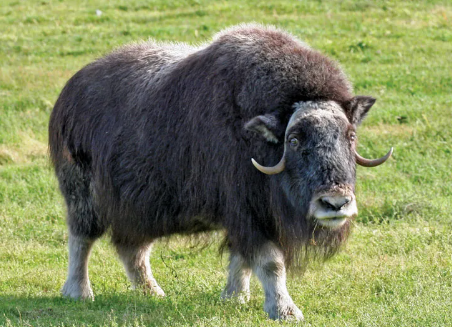
Musk oxen, native to the Arctic tundra, have equally impressive dietary strategies. Their primary food sources include a variety of tundra plants, such as shrubs, grasses, and lichens. Musk oxen are equipped with a unique digestive system that enables them to ferment and break down these tough plant materials. Interestingly, they have a special layer of fat, known as the “subcutaneous fat layer,” that insulates them against frigid temperatures while also serving as an energy reserve when food is scarce. During winter months, these animals rely on their strong sense of smell to locate buried vegetation beneath the snow, ensuring they can find sustenance even when conditions are bleak.
The Importance of Seasonal Adaptations
Both yaks and musk oxen exhibit fascinating seasonal adaptations in their diets. For yaks, the availability of fresh grasses during the summer allows them to gain weight quickly, preparing them for the harsh winter months. Their ability to convert nutritious summer grasses into fat is crucial for survival when forage becomes limited. Musk oxen also change their foraging behavior according to the season, switching from a diet rich in fresh greens during the summer to a more fibrous menu of woody plants and lichens in the winter. This flexibility ensures that both species can make the most of their available resources throughout the year.
Conclusion
Through their unique adaptations and dietary strategies, yaks and musk oxen provide a captivating look into how animals successfully navigate extreme environments. Learning about their survival mechanisms not only illuminates the struggles of these remarkable creatures but also offers insights into the adaptability needed for survival in our changing world. For those interested in the wonders of nature, exploring the lives of these extraordinary animals can lead to a greater appreciation of biodiversity and the intricate balance of ecosystems. Dive deeper into the fascinating world of wildlife and discover how other species have adapted to thrive in their environments!