
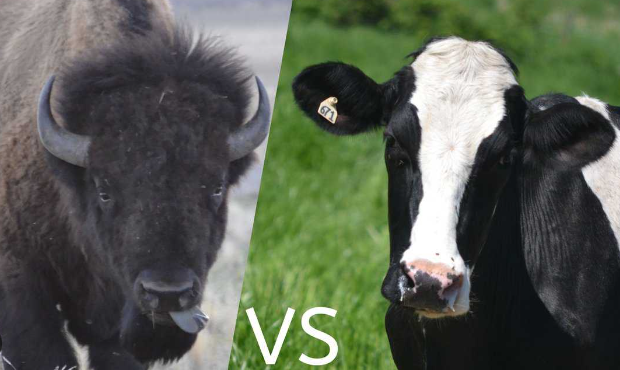
Cows vs. Bison: A Nutritional Showdown in Grazing Habits
When it comes to grazing animals in the North American landscape, cows and bison often steal the spotlight. Understanding their diets not only sheds light on their farming needs but also reveals insights into their environmental impact, health benefits, and culinary uses. Let’s explore how these two iconic animals compare in their grazing habits and nutritional contributions.
Grazing Preferences and Techniques
Cows and bison have distinct grazing habits that affect the ecosystems they inhabit. Cows are selective grazers, often choosing specific grasses and plants based on taste and texture, which enables them to thrive in managed pastures. In contrast, bison are more aggressive grazers, consuming a wider variety of grasses, weeds, and even shrubs. This behavior allows them to better adapt to fluctuating environments and contributes to their role in maintaining the health of grasslands. Their less picky eating habits aid in promoting biodiversity, as they create space for different plant species to flourish.
Nutritional Profiles
When comparing the nutritional profiles of cow and bison meat, there are several notable differences. Bison meat is generally leaner than beef, with less fat and cholesterol, making it a healthier option for those looking to reduce their saturated fat intake. Moreover, bison is higher in protein and essential nutrients like iron and zinc. Cows, particularly those raised on grass, can also provide valuable nutrients, but they typically have a higher fat content, especially when finished on grain. This can lead to decisions about meat consumption based on health goals, taste preferences, or ethical considerations regarding sustainable farming practices.
Environmental Impact and Sustainability
The grazing habits of cows and bison have significant implications for their environmental impact. Cows, especially in large-scale feedlots, can contribute to soil degradation and methane emissions, raising concerns about sustainability. Conversely, bison promote healthier ecosystems through their grazing patterns. Their ability to fertilize the land with their droppings and their natural movements help prevent overgrazing, allowing grasslands to regenerate. By choosing bison or sustainably-raised cattle, consumers can make a more informed decision that supports ecological balance while still enjoying quality meat products.
In Conclusion
Both cows and bison offer unique contributions to agriculture, nutrition, and the environment. Understanding their grazing habits and nutritional profiles allows consumers to make educated choices that align with their health goals and ethical beliefs. If you’re interested in diving deeper into the advantages of these animals or trying out some delicious bison recipes, keep exploring! It’s a fascinating topic that brings together nutrition, sustainability, and culinary delights.