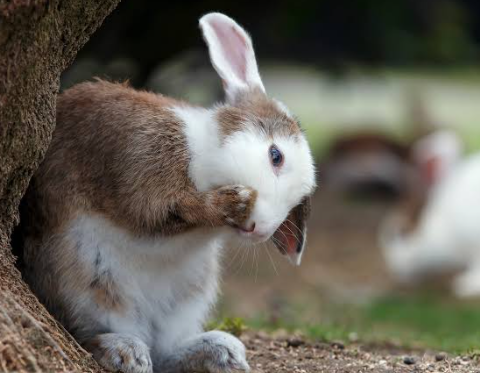
Rabbits are known for their adorable looks and playful personalities, but their dietary habits can sometimes leave us scratching our heads. One of the most puzzling behaviors is their tendency to eat their own feces. This blog post will explore the reasons behind this seemingly odd behavior, offering insights into rabbit digestion, health, and nutrition.
1. Understanding Rabbit Digestive System
Rabbits have a unique digestive system that is specifically adapted to their natural herbivorous diet. Their gastrointestinal tract has evolved to efficiently handle the high-fiber content of grasses and hay. This complex system involves two types of droppings: hard feces and cecotropes. While hard feces are the droppings we usually see, cecotropes are softer, nutrient-rich pellets that rabbits produce after a meal.
Cecotropes contain essential nutrients that are crucial for a rabbit’s health, including vitamins and beneficial bacteria. When a rabbit consumes these cecotropes directly from the anus, they are effectively reabsorbing these nutrients, which have already begun to ferment. This process is vital for maintaining their digestive balance, as well as ensuring that they absorb the maximum amount of nutrients from their food.
-
- Provide a consistent supply of high-fiber hay.
-
- Monitor your rabbit’s eating habits closely.
-
- Understand the difference between hard feces and cecotropes.
-
- Avoid high-carbohydrate diets that can disrupt digestion.
2. Nutritional Benefits of Eating Cecotropes
The consumption of cecotropes plays a critical role in a rabbit’s health. Unlike regular feces, cecotropes are soft and rich in nutrients, including vitamin B, proteins, and microorganisms necessary for gut health. By eating these feces, rabbits can take in nutrients that are otherwise lost during digestion, making it a vital part of their dietary routine.
This behavior also helps maintain their gut flora, which is essential in preventing gastrointestinal diseases. Without this practice, rabbits can become malnourished, as they might not fully absorb the necessary nutrients from their diet. Thus, what may seem absurd at first glance is, in fact, a well-established and health-preserving behavior in rabbits.
-
- Feed your rabbit a balanced diet rich in fiber.
-
- Include fresh vegetables for additional nutrients.
-
- Ensure access to clean water at all times.
-
- Seek veterinary advice if you notice unusual eating behaviors.
3. Behavioral Reasons for Coprophagy
Aside from the nutritional benefits, coprophagy—eating their own feces—is also a natural behavior for rabbits that dates back to their wild ancestors. In the wild, rabbits need to be discrete and avoid predators; thus, consuming cecotropes helps them to cover up their presence by minimizing scent. This instinctual behavior carries over even in domesticated rabbits, reinforcing their natural survival instincts.
<pMoreover, rabbits are creatures of habit, and the act of eating their cecotropes can be seen as a part of their daily routine. This behavior also reinforces social interactions within groups of rabbits, as it helps maintain hygiene in communal living situations. Observing this natural behavior can provide reassurance about a rabbit’s health and well-being.
-
- Provide a safe and secure environment.
-
- Encourage natural behaviors through interaction.
-
- Provide opportunities for exercise and mental stimulation.
-
- Be observant for any changes in eating habits.
In conclusion, while it might seem strange, the practice of rabbits eating their own poop is actually an essential component of their digestion and overall health. By understanding this behavior and providing a proper diet and environment, rabbit owners can help ensure their pets live happy and healthy lives. Consult a veterinarian if you have concerns or if your rabbit exhibits any unusual behavior regarding its dietary habits.