
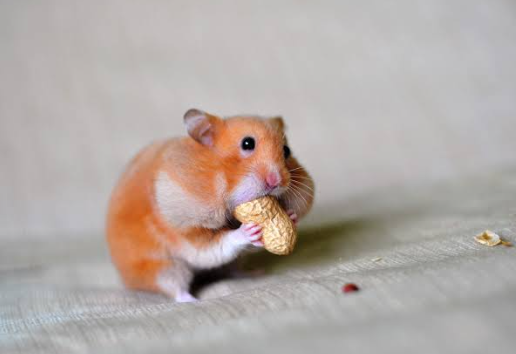
Have you ever watched a hamster stuff its cheeks full of food? This adorable behavior has piqued the curiosity of many pet owners and animal lovers alike. Understanding why hamsters do this can enhance your experience as a pet owner and improve your care for these charming little creatures.
1. Natural Instincts and Behaviors
Hamsters are naturally scavengers, a trait that stems from their wild ancestors. In the wild, they need to collect and store food to survive, especially when resources are scarce, such as during the winter months. Storing food in their cheeks allows them to transport larger quantities back to their burrows without the risk of leaving it behind for other animals. This instinct is so strong that even domesticated hamsters retain this behavior.
In addition to food storage, this cheek-stuffing behavior is also a way for hamsters to avoid competition with other animals. By taking in as much food as possible, they ensure they have enough to eat when they return to their burrow, even if other animals might have sourced out the same location. For pet owners, understanding this can provide insight into your hamster’s dietary needs and the importance of offering a balanced diet that can be stored and snacked on throughout the day.
-
- Provide a variety of foods to encourage natural foraging.
-
- Ensure a consistent supply of fresh water for hydration.
-
- Observe your hamster’s cheek-stuffing habits to gauge their health and appetite.
-
- Limit sugary treats that can impact their health.
2. Social Interactions and Comfort
Aside from the necessity of food storage, hamsters also use this behavior as a form of social interaction. When hamsters interact with each other, they often stuff each other’s cheeks, which is part of their bonding activities. Even though pet hamsters may not have a chance to engage in complex social groups, they can exhibit similar behaviors when interacting with their owners. You might notice your hamster gathering food quickly when they feel secure around you, showcasing trust and comfort.
Cheek stuffing can also serve as a stress relief mechanism. When hamsters feel anxious or threatened, stuffing their cheeks can provide a sense of security. If you find your hamster doing this frequently, it may be a sign that their environment needs adjustment, whether it be less noise or more comfortable bedding. Creating a stress-free environment can help your hamster feel calm, promoting healthier behavior patterns.
-
- Ensure your hamster’s habitat is quiet and secure.
-
- Spend time with your hamster to encourage bonding.
-
- Pay attention to changes in their behavior, as this can indicate stress.
-
- Regularly clean their habitat to prevent stress from dirt or odors.
3. Health Considerations and Monitoring
While cheek stuffing is perfectly natural, it’s essential to monitor your hamster’s health. An unusual quantity of food in their cheeks could indicate dental issues, obesity, or even a change in eating habits. Hamsters, particularly if they are overstuffing their cheeks or not consuming food as they should, may need a veterinary check-up. Regular monitoring can ensure any health issues are caught early, helping to maintain their quality of life.
Another critical factor is the type of food you provide. Some treats and grains may be too big for a hamster to chew properly, leading to potential dental problems. It’s crucial to select appropriate-sized treats and regular food pellets that support their health to prevent these issues. Additionally, ensuring that their teeth are getting naturally worn down through the right types of food can prevent overgrowth and discomfort.
-
- Monitor the amount of food your hamster consumes daily.
-
- Check their cheeks for signs of soreness or discomfort.
-
- Seek immediate veterinary care if you notice any abrupt changes in eating habits.
-
- Provide chew toys that can help keep their teeth healthy.
In conclusion, understanding why hamsters stuff their cheeks is essential for proper care. By recognizing their natural instincts, social needs, and health considerations, you can create a nurturing environment that allows your hamster to thrive. Keep a close eye on their behaviors, and don’t hesitate to consult with a veterinarian if you notice any concerning changes. This way, you’ll be well on your way to becoming a responsible and attentive hamster owner.