
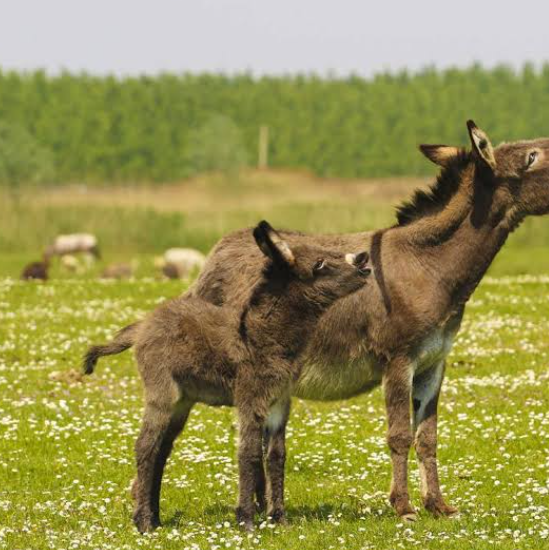
Donkeys are well-known for their distinctive and loud braying. This vocalization often raises questions about why they bray so loudly and frequently. Understanding this behavior can help us better appreciate these resilient animals and their unique communication style.
1. The Purpose of Braying
One of the primary reasons donkeys bray is to communicate with each other. Unlike most horses, which make softer noises, donkeys use their brays to convey various messages across distances. For example, a donkey may bray to signal its location to other members of its herd or to alert them of approaching danger. This vocal communication is vital for maintaining social structures and safety in the wild.
Moreover, braying can indicate a range of emotions or needs, such as hunger, discomfort, or loneliness. When orphans or newly separated donkeys bray, it’s often a reaction to stress or anxiety. Identifying the context in which this loud vocalization occurs can offer insights into the donkey’s emotional state and needs.
-
- Observe the environment when a donkey is braying.
-
- Check for any signs of distress in the donkey’s body language.
-
- Keep notes on when and why your donkey brays.
-
- Consider the presence or absence of other donkeys when assessing the behavior.
2. Social Dynamics and Hierarchy
Donkeys are inherently social animals. In a herd, braying plays a pivotal role in establishing social dynamics and hierarchies. When a dominant donkey brays, it often sets the tone for the rest of the herd. The frequency and intensity of braying can indicate a donkey’s place within the herd’s pecking order. Understanding these social cues can be helpful for owners and caregivers when managing their donkeys.
Additionally, the loudness of a donkey’s bray can sometimes be a display of confidence or assertiveness. For instance, when establishing dominance, louder brays may follow a specific pattern, showcasing their strength and capability to defend their territory. Observing such interactions can provide a glimpse into the intricacies of their social lives.
-
- Observe social interactions between your donkeys.
-
- Note which donkey tends to bray more, especially during feeding or social activities.
-
- Be aware of any changes in braying patterns that may indicate shifts in social dynamics.
-
- Create a nurturing environment to promote healthy social behaviors.
3. Health Alerts and Needs
Braying can also serve as a form of self-expression linked to the donkey’s health. A sudden increase or change in the frequency of braying may signal discomfort, illness, or injury. For instance, if a donkey typically brays only occasionally but starts braying excessively, it may indicate a problem that needs immediate attention. Listening to the nuances of their braying can help caretakers react swiftly when their health is at risk.
Sometimes, donkeys bray when they are seeking attention from their owners or caretakers, especially if they are feeling unwell. A donkey might bray loudly if it desires companionship or feels lonely. Therefore, when assessing a donkey’s health, being attentive to their vocal behavior can serve as an essential tool for preventive care.
-
- Monitor changes in braying frequency, especially in conjunction with other behaviors.
-
- Keep regular health check-ups to preemptively address potential issues.
-
- Provide companionship either through other donkeys or regular human interaction.
-
- Maintain a clean and comfortable living environment to reduce stress.
4. Breed and Individual Differences
Not all donkeys are created equal when it comes to braying. Various breeds exhibit different vocalizations, and individual personality traits can also influence how often and how loudly a donkey brays. For instance, standard donkeys and miniature donkeys may exhibit differences in their vocal tendencies. For owners, recognizing these traits can help tailor care to the specific needs of each donkey.
Understanding a donkey’s background, breed, and individual temperament can enhance communication and empathy between the animal and its caretaker. Some donkeys are naturally more vocal than others, and familiarizing yourself with your donkey’s specific traits can help in interpreting its braying more accurately.
-
- Research the specific breed characteristics of your donkey.
-
- Spend time with your donkey to understand its unique vocalizations.
-
- Try to keep a consistent routine to make your donkey feel more secure.
-
- Engage in mutual activities that can help build trust and communication.
5. Creating a Peaceful Environment
The environment in which donkeys live can significantly impact their behavior, including how often they bray. A crowded or noisy setting can lead to more frequent loud braying as the donkeys respond to their surroundings. Providing a serene and spacious environment can help reduce stress levels and make the donkeys feel safer, thus minimizing unnecessary vocalizations.
Furthermore, incorporating socialization opportunities within a safe area can help donkeys feel less anxious and promote a calmer atmosphere. Keeping donkeys engaged through enrichment activities can also reduce anxiety-driven braying, as it stimulates their minds and helps them bond with their human caretakers.
-
- Ensure ample space for each donkey to roam freely.
-
- Limit exposure to loud noises or chaotic environments.
-
- Introduce toys or enrichment activities to keep donkeys engaged.
-
- Create separate areas for feeding to reduce conflict.
Understanding why donkeys bray so loudly involves a mix of communication, social dynamics, health signaling, breed traits, and environmental factors. By being attentive to these aspects, owners can foster healthier relationships with their donkeys. If you’re curious about improving your donkey management practices or deepening your knowledge of these wonderful animals, consider consulting a veterinarian or an experienced donkey trainer for tailored advice.