
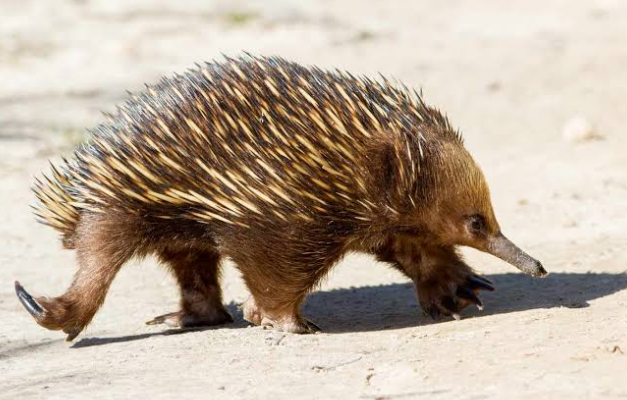
Echidnas are one of the most fascinating creatures on our planet, known for their unique appearance and intriguing characteristics. With their spiny backs and ability to thrive in various environments, many people wonder why these interesting animals have developed such distinctive spines.
1. Defense Mechanism
The primary function of the spines on an echidna’s back is defense. Predators in the wild, such as foxes and dogs, pose significant threats to these small mammals. The echidna’s spines serve as a deterrent; when threatened, an echidna can curl into a ball, making it difficult for predators to attack. The spines, made of keratin, are sharp and can cause discomfort, further discouraging would-be attackers.
In addition to physical defense, echidnas have other behavioral adaptations that help keep them safe. They often dig shallow holes to bury themselves underground, hiding their spines and blending into their environment. This natural camouflage, combined with their spines, makes it harder for predators to spot them. By providing these adaptations, echidnas can protect themselves even in the face of danger.
-
- Observe echidnas in the wild and note their behavior when threatened.
-
- Learn more about the echidna’s natural predators.
-
- Consider how other animals use spines or quills for defense.
-
- Research echidna habitats to understand their environmental adaptations.
2. Thermoregulation
Echidnas are native to Australia and New Guinea, regions known for their fluctuating temperatures. The spines on their backs not only serve as a defense but also play a crucial role in thermoregulation. These spines help the echidna stay cool during the heat of the day by providing insulation and maintaining body temperature. This is particularly important as echidnas are warm-blooded mammals that require a consistent internal temperature to thrive.
In cooler climates, the spines can help trap warmth, allowing echidnas to conserve body heat. The structure of the spines, along with the dense layer of fur beneath them, creates an effective barrier against cold temperatures. This adaptive feature highlights the incredible ways in which echidnas have evolved to survive in diverse environments, showcasing the importance of their physical traits in maintaining a stable body temperature.
-
- Investigate how other animals adapt to temperature fluctuations.
-
- Monitor echidnas in various habitats to see how they adapt.
-
- Consider the climate changes affecting echidna populations.
-
- Learn about the physiological adaptations of other mammals for thermoregulation.
3. Mating Displays and Social Interactions
Interestingly, echidnas may also use their spines for social interactions and mating displays. During the mating season, males can be observed engaging in display behaviors that involve showcasing their spines to attract females. These spines can signal health and vitality, making them an important aspect of reproductive success. Enhanced spine displays may indicate stronger genetic fitness, attracting potential mates.
Moreover, the density and arrangement of spines can vary among different echidna species, providing insight into their genetic diversity. Understanding the role of spines in mating behavior can help researchers learn more about echidna populations and their challenges in the wild. This behavioral trait emphasizes how physical characteristics impact not just survival, but also reproduction in the animal kingdom.
-
- Research the mating behaviors of echidnas in various regions.
-
- Learn how physical traits influence animal mating strategies.
-
- Observe echidna interactions during the mating season.
-
- Engage in discussions about sexual selection in wildlife.
4. Evolutionary Significance
The evolutionary background of echidna spines reveals a great deal about their adaptation over millions of years. Echidnas are part of the monotreme group, which lays eggs instead of giving live birth, and their spiny structures have evolved to support their unique lifestyle as foragers and protectors of their young. The development of spines likely arose as a multi-functional adaptation to fend off predators, regulate temperature, and communicate during mating seasons, thus providing a significant survival advantage.
Studying echidnas’ evolutionary journey also sheds light on how various environmental pressures shape physical traits in animals. The spines present today are a testament to the successful adaptations made by echidnas, allowing them to thrive in their specific ecological niches. This evolutionary lens enhances our understanding of not only echidna biology but also the broader principles of natural selection.
-
- Explore the evolutionary history of monotremes.
-
- Study the ecological roles of echidnas in their environments.
-
- Engage in discussions about adaptive characteristics in other species.
-
- Visit museums or resources that focus on evolutionary biology.
In conclusion, the spines of echidnas serve multiple essential functions, from deterring predators and aiding thermoregulation to playing roles in social interactions and evolutionary significance. Understanding these fascinating creatures encourages us to appreciate their unique adaptations and consider the conservation needed to protect their habitats. Whether you’re exploring wildlife documentaries or visiting a local zoo, take the time to learn more about these incredible mammals and their captivating lives.