
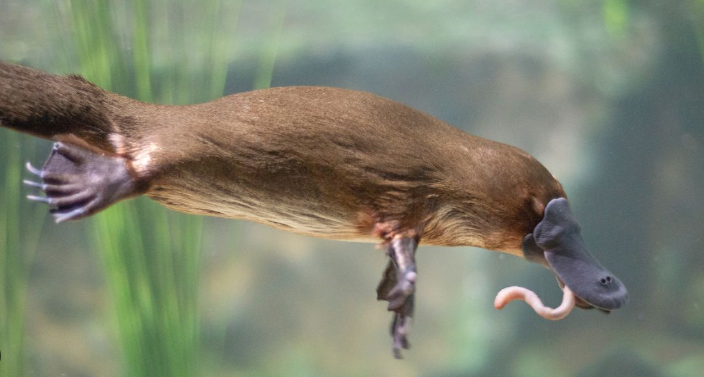
The platypus is a creature unlike any other. Found in Australia, this fascinating animal is one of the few mammals that lay eggs instead of giving birth to live young, raising many questions about its unique reproductive methods.
1. Evolutionary Background of Egg-Laying
To understand why platypuses lay eggs, it’s crucial to delve into their evolutionary history. Platypuses belong to a group of mammals called monotremes, which are characterized by their egg-laying reproductive strategy. This lineage dates back over 200 million years, making them a living window into ancient evolutionary practices. Unlike placental mammals, monotremes offer insights into how early mammals adapted to their environments by utilizing different reproductive methods.
Moreover, laying eggs helps platypuses reduce their energy expenditure during the developmental stages of their young. By ensuring that the egg is nurtured in a protective environment until it hatches, the mother can manage her resources more effectively, focusing on hunting and gathering food for herself while her offspring remain safe and developing in their shells.
-
- Learn about the evolutionary history of monotremes.
-
- Consider how egg-laying may have provided survival advantages.
-
- Explore the genetic lineage to understand adaptability.
-
- Research the early environments that influenced these adaptations.
2. The Unique Nature of Platypus Eggs
The eggs of a platypus are unlike those of typical birds or reptiles. They are leathery rather than hard, which is a characteristic shared with other monotremes. The female platypus lays one to three eggs at a time and incubates them by curling around them to provide warmth. This unique approach to incubation is vital, particularly when considering the challenges of the Australian environment, where temperatures can fluctuate significantly.
Once the eggs are laid, they take about ten days to hatch. After hatching, the tiny platypuses, called puggles, are hairless, blind, and highly dependent on their mother’s milk. This milk is uniquely secreted through openings in the skin, as platypuses lack teats. This specialized method ensures that the newborns receive necessary nourishment as they grow and develop more independence in the world.
-
- Understand the anatomical differences in platypus eggs.
-
- Learn about the incubation process and its significance.
-
- Examine how these eggs adapt to environmental challenges.
-
- Explore the nutritional properties of platypus milk.
3. Reproductive Strategies for Survival
The reproductive strategies of the platypus are key to its success in the wild. Laying eggs allows the mother to be mobile and foraging while her young develop, as opposed to being tied down during gestation. This flexibility is essential in a predator-rich environment, making it easier for platypuses to hunt for food and escape threats.
Furthermore, the maternal behavior exhibited by a platypus includes creating a burrow where the eggs are laid, providing a secure and protected environment. The choice of laying fewer eggs also reflects a strategic choice; it allows the mother to invest more time and resources into each offspring, enhancing their chances of survival until they can fend for themselves.
-
- Consider how mobility impacts maternal care in platypuses.
-
- Learn about the creation of burrows and their importance.
-
- Evaluate the implications of fewer offspring on resource allocation.
-
- Research predator avoidance strategies used by platypuses.
In conclusion, the fascinating reproductive strategy of egg-laying in platypuses reveals the intricate balance between evolution and survival. Understanding these methods enhances our appreciation for this unique species. If you’re inspired by these natural wonders, consider exploring conservation efforts aimed at protecting platypuses and their habitats.