
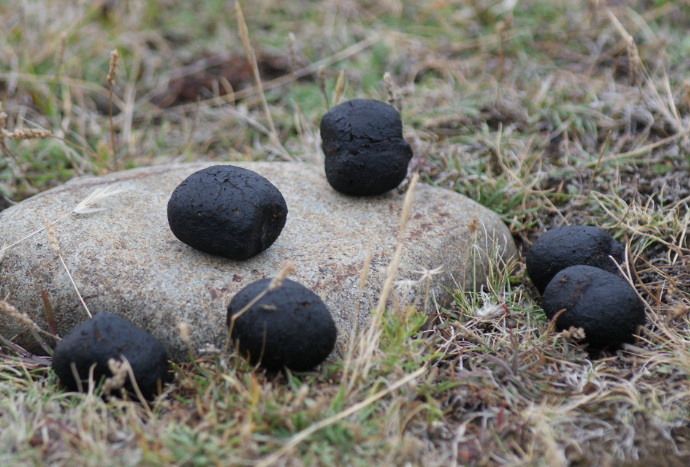
Wombats are fascinating creatures known for their unique adaptations and behaviors, and one of the most intriguing aspects is their cube-shaped poop. This unusual characteristic is not just for show; it serves important biological purposes that help wombats thrive in their natural habitat. Let’s explore the reasons behind this peculiar phenomenon.
1. The Science Behind Cube-Shaped Poop
The primary reason wombats produce cube-shaped dung is due to their digestive process. Wombats have a long digestive tract, which can take anywhere from 14 days to several weeks to break down their fibrous herbivorous diet. This extended digestion allows for maximum nutrient absorption but also leads to the unique cubic shape of their feces. The compression and hydration of the waste during this lengthy process contribute to the final shape.
Moreover, researchers have discovered that the intestines of wombats can form the feces into cubes through a combination of muscular contractions and the elasticity of the intestinal walls. This specific structure helps prevent the poop from rolling away, a crucial adaptation in the wombats’ natural habitats, where they need to mark their territory effectively.
-
- Understand the role of the intestines in shaping feces.
-
- Recognize how diet impacts feces shape.
-
- Consider the effects of environment on poop placement.
-
- Study wombat anatomy for further insights.
2. Behavioral Aspects of Wombat Poop
The cubic poop of wombats serves more than just a practical purpose; it also plays a vital role in their social behavior. Wombats commonly use their feces to mark their territory and communicate with other wombats. The distinct shape of their dung makes it easy for other wombats to recognize territorial boundaries, helping to reduce conflicts.
Additionally, female wombats often use unique patterns in their dung placement to signal to potential mates, which further adds a layer of complexity to their reproductive behavior. This social aspect emphasizes not only the shape but also the strategic placement of dung throughout their territory.
-
- Observe wombat territory-marking behaviors.
-
- Note the patterns in feces placement.
-
- Consider how feces shape can communicate messages.
-
- Research wombat mating behaviors linked to feces.
3. The Implications of Cube-Shaped Feces for Conservation
Understanding the unique characteristics of wombat feces sheds light on their ecological role within the environment. As herbivores, wombats contribute to the cycle of nutrient dispersal through their waste. The cubic poop can help germinate seeds from the plants they consume, creating a more vibrant ecosystem and enabling plant species to thrive.
Moreover, studying wombats and their poop can provide valuable insights into the health of their habitats. Conservationists can use information about wombat feces to monitor population health and habitat quality. It serves as an indicator of biodiversity, which is essential for maintaining balanced ecosystems.
-
- Participate in conservation efforts focused on wombats.
-
- Learn about habitats that support diverse wildlife.
-
- Support organizations that promote ecological education.
-
- Understand the link between animal behavior and ecosystem health.
In conclusion, wombat poop might seem trivial at first glance, but it offers a wealth of information about their biology, social behavior, and ecological importance. With these insights, consider exploring more about wombat conservation and how you can contribute to their thriving populations in the wild.