
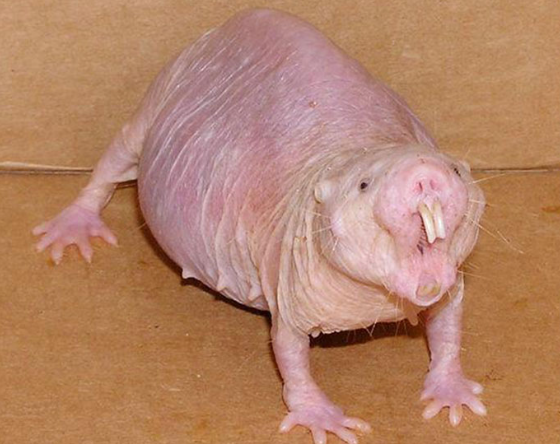
Naked mole rats are fascinating creatures that exhibit some surprising similarities to insects, particularly in their social structure and living conditions. These tiny mammals, native to the underground tunnels of East Africa, live in highly organized colonies similar to those of bees or termites. Understanding why they adopt such a lifestyle can shed light on their unique adaptations and survival strategies.
1. Social Structure: The Insect Like Colony
One of the most striking features of naked mole rats is their highly social nature. Their colonies can consist of up to 300 individuals, which is a characteristic reminiscent of insect societies. At the top of this hierarchy is a single breeding female known as the queen, much like the queen bee in a hive. This social structure allows for efficient division of labor, where non-breeding males and females take on roles such as tunnel diggers or caretakers of the young, increasing the chances of survival for the entire colony.
This cooperative behavior is essential as it allows naked mole rats to thrive in a challenging underground environment. By working together, they can dig extensive networks of tunnels, enabling access to food sources like tubers and roots. This lifestyle not only maximizes foraging efficiency but also helps in temperature regulation and protection from predators that might invade their habitat.
-
- Study their social hierarchies to understand the roles within a colony.
-
- Observe how labor divisions can influence survival strategies.
-
- Consider the advantages of social living versus solitary life.
-
- Research the environmental conditions that necessitate such social behavior.
2. Reproductive Strategy: A Familiar Insect Approach
The breeding system of naked mole rats also mirrors that of some insects. In these colonies, only the queen and a few select males are allowed to reproduce, while the other members help rear the young. This tight control over breeding ensures that the genetic line remains strong and healthy, similar to how a bee colony maintains genetic diversity while controlling reproduction through the queen.
This reproductive strategy alleviates competition among colony members, as non-breeding individuals focus on nurturing the young and maintaining the colony’s health. Additionally, this system enables rapid population growth after a decline due to environmental stressors or predators, which is crucial for species survival in their harsh living conditions.
-
- Monitor the behavior of dominant individuals in a colony; they often dictate breeding.
-
- Examine how limiting reproduction affects genetic diversity.
-
- Track how nurturing roles can impact the survival of the young.
-
- Consider ways to support population recovery during dire conditions.
3. Adaptations: Survival in Harsh Environments
Naked mole rats have evolved several adaptations that enhance their survival, many of which are reminiscent of insect behavior. One significant adaptation is their ability to tolerate low oxygen levels in their underground habitats. Similar to insects, naked mole rats can switch their metabolism to survive in these oxygen-deprived environments, which is crucial when digging extensive burrow systems.
Furthermore, these creatures have developed a highly specialized diet consisting mainly of tubers, which they can find underground. This diet contributes to their low metabolic rate compared to other mammals. Moreover, their unique skin and lack of fur eliminate the risk of overheating while burrowing, much like how insects regulate temperature. Such adaptations actively promote their insect-like lifestyle.
-
- Learn about the specific metabolic changes that allow them to thrive underground.
-
- Understand the dietary needs that sustain their low-energy lifestyle.
-
- Observe how their skin adaptations protect them in their environment.
-
- Research ways these adaptations can inform other survival techniques in animals.
The naked mole rat serves as a remarkable example of how certain mammalian species have evolved to adopt insect-like social structures and behaviors. Their unique colony dynamics and adaptations to challenging environments enable them to thrive when many other species struggle. Understanding their lifestyle can inspire further research and appreciation for the diversity of life on our planet.
In conclusion, naked mole rats provide incredible insights into social structures and survival adaptations among mammals. By exploring their fascinating behaviors and adaptations, we can better appreciate the complexity of life in our ecosystems. If you are interested in learning more about these extraordinary creatures, consider exploring scientific literature or visiting nature reserves that showcase their habitats.