
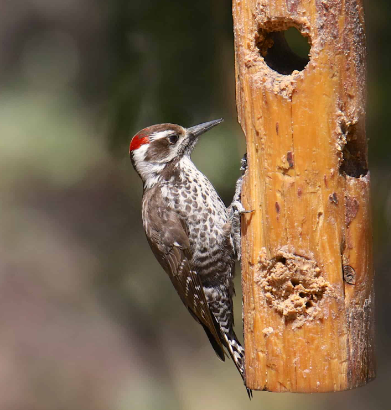
Woodpeckers are fascinating birds that captivate nature lovers with their rhythmic drumming on trees. But have you ever wondered why they engage in this seemingly odd behavior? Understanding the reasons behind woodpecker pecking can reveal much about their life and habitat.
1. Communication Through Pecking
One of the primary reasons woodpeckers peck at trees is to communicate with others of their species. Woodpeckers use their drumming sounds as a way to announce their presence, establish territory, and attract mates. Different species have distinct drumming patterns, which can signify their identity and intentions to other woodpeckers nearby. For instance, a male woodpecker may drum rapidly in a specific rhythm to assert dominance over his territory.
Moreover, woodpeckers often use pecking as a means of social interaction among their peers. This behavior allows them to convey various messages like alerts for impending danger or even connecting with potential mates. The sound produced often travels long distances, making it an effective tool for communication in dense forests where visibility is limited.
-
- Listen for varying drumming patterns to identify different woodpecker species.
-
- Observe how woodpeckers respond to each other’s calls.
-
- Learn about the specific pecking rhythms of local woodpecker species.
-
- Take note of their behavior during breeding seasons for better understanding.
2. Finding Food
Another critical reason for woodpecker pecking activity is searching for food. Woodpeckers primarily feed on insects, larvae, and other invertebrates hidden beneath the bark of trees. Their strong beaks allow them to drill into the wood to extract these hidden delicacies. For example, the Yellow-bellied Sapsucker often taps into a tree to access its nutrient-rich sap, which is a vital food source.
In addition to insects, woodpeckers may peck at trees to create cavities where they can store food for later. Acorns, nuts, and seeds can be tucked away in these holes, providing a reliable meal source during the leaner months. Understanding a woodpecker’s foraging habits can provide insights into the health of the ecosystem surrounding them.
-
- Watch woodpeckers closely to see their feeding behaviors.
-
- Identify tree species that attract specific woodpecker species.
-
- Look for signs of foraging in the bark, such as small holes.
-
- Consider planting native trees to support local woodpecker populations.
3. Nesting and Drilling for Shelter
Woodpeckers are also known for creating nesting cavities in trees. This process involves pecking to create a hole that will serve as a safe haven for their young. The strength of woodpecker beaks facilitates this drilling, making it easier for them to carve out suitable nesting sites. For instance, the Downy Woodpecker creates shallow cavities, while others like the Pileated Woodpecker make larger, deeper holes.
These nests not only provide shelter for the young but also protect them from predators. The decaying wood of older trees often makes the best nesting sites, which is why it’s crucial to maintain a healthy forest ecosystem. In turn, the cavities created by woodpeckers can also benefit other wildlife, as many other bird species and small mammals use abandoned woodpecker holes as nesting sites.
-
- Learn how to identify woodpecker nests by examining tree cavities.
-
- Keep an eye on nesting behavior during spring and summer.
-
- Support conservation efforts to maintain mature trees in your area.
-
- Document the variety of wildlife that benefits from woodpecker nests.
4. Woodpecker Behavior and Adaptation
The pecking behavior of woodpeckers is a remarkable adaptation that has evolved over millions of years. Their bodies are designed to withstand the physical stresses of pecking, which includes specialized skull structures and strong neck muscles. This unique adaptation allows them to tap into trees without injuring themselves, a feat that many other bird species cannot perform.
Additionally, different species of woodpeckers have adapted their pecking techniques based on their dietary preferences and specific environments. For example, some may prefer softer wood where insects are abundant, while others may target hardwoods for sap. Understanding these adaptations can enhance our appreciation for these birds and their roles in maintaining the health and balance of their habitats.
-
- Study your local woodpecker species to learn about their adaptations.
-
- Observe how environmental factors influence their feeding and nesting habits.
-
- Encouraging native flora can help sustain local woodpecker populations.
-
- Participate in citizen science projects that track woodpecker behaviors.
In conclusion, woodpecker pecking serves multiple essential purposes, from communication and food sourcing to nesting and shelter creation. By understanding these behaviors, we can foster better relationships with these incredible birds and their environments. Consider participating in local conservation activities or simply observing the fascinating behaviors of woodpeckers the next time you’re in nature!