
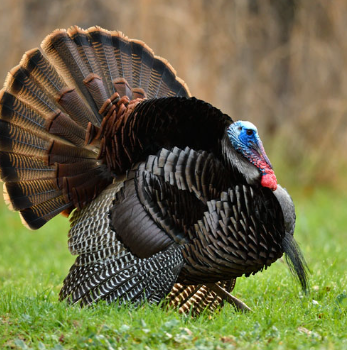
Turkeys are fascinating creatures, and one of their most striking behaviors is the way they puff up their feathers. This behavior serves various purposes, from communication to thermoregulation. Understanding why turkeys puff up can enhance our appreciation for these remarkable birds.
1. Communication with Other Turkeys
One of the primary reasons turkeys puff up their feathers is to communicate with other turkeys. When a turkey feels threatened or is trying to impress another turkey, it will expand its feathers to look larger and more intimidating. Males, especially during mating season, display their puffed-up feathers to attract potential mates and assert their dominance over other males.
This behavior isn’t just limited to males; females also puff up during social interactions. They may raise their feathers when feeling excited or socializing with other females. By puffing up, they signal to each other their mood, making it easier to establish social hierarchies within flocks.
-
- Observe the body language of turkeys in different scenarios.
-
- Note the contexts in which puffing occurs.
-
- Understand that both males and females use this behavior.
-
- Consider how puffing might help in mating scenarios.
2. Defense Mechanism Against Predators
Another important aspect of puffing up feathers relates to a turkey’s defense mechanisms against predators. When faced with threats, turkeys will puff up to make themselves appear larger than they actually are. In the wild, this behavior can deter potential predators such as foxes, hawks, or coyotes, as a larger figure may seem less desirable to attack.
Additionally, a puffed-up turkey releases body heat, helping regulate its temperature. This can be particularly useful in the fall or winter months when cold weather makes maintaining body heat vital. By puffing up its feathers, a turkey traps air in its plumage, which acts as insulation, keeping it warm or signaling a need to huddle with others for additional warmth.
-
- Watch how turkeys react to potential threats in their environment.
-
- Note the difference between puffing in response to predators versus during social interactions.
-
- Research common predators in a turkey’s habitat.
-
- Be aware of how weather influences turkey behavior.
3. The Role of Puffing in Mating Rituals
Puffing up feathers plays a significant role during the mating rituals of turkeys. Male turkeys, also known as toms, display their puffed feathers along with a range of other physical behaviors like strutting, gobbling, and fanning their tails. These actions are meant to show off their health and fitness to attract females, called hens.
The ritual often culminates in a showdown between competing males. The turkey that successfully puffs its feathers the highest and displays the most impressive plumage typically wins the attention of nearby females. This form of visual communication is essential in the mating season, as successful displays can mean the difference between finding a mate and remaining solitary.
-
- Frequent observations of male turkeys during mating season can be enlightening.
-
- Note what behaviors correlate with successful mating displays.
-
- Familiarize yourself with the various calls and sounds that accompany these visuals.
-
- Consider the environmental factors, such as location and season, that affect mating rituals.
4. Thermoregulation and Comfort
Puffing up feathers is also a vital aspect of thermoregulation, especially for wild turkeys. In colder weather, turkeys can trap air with their feathers, creating insulation that helps maintain their body temperature. When turkeys need to cool down, they can relax their feathers, allowing more air to circulate.
The ability to puff feathers is not just about temperature control; it also aids comfort. A turkey that feels at ease is more likely to puff its feathers than one that is stressed or frightened. This behavior reflects their overall health and well-being, indicating that a bird is coping with its environment effectively.
-
- Observe how turkeys react to varying temperatures.
-
- Understand the importance of feather condition for insulation.
-
- Examine the relationship between comfort and puffing behavior.
-
- Provide a varied environment for domesticated turkeys to help them thrive.
In conclusion, turkeys puff up their feathers for multiple reasons, including communication, defense, mating rituals, and thermoregulation. Understanding these behaviors can enhance not only our appreciation of turkeys but also our ability to observe and nurture them in various settings. Whether you are a turkey enthusiast or a casual observer, take the opportunity to learn more about these fascinating birds and their behaviors. Engage further by exploring turkey habitats or documenting behaviors to share with others!