
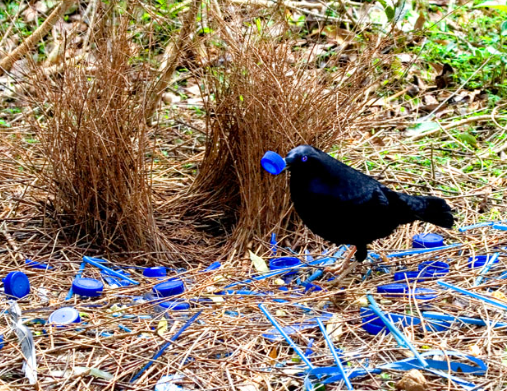
Bowerbirds are fascinating creatures primarily known for their unique nesting habits. Unlike most birds, these avian artisans create elaborate structures not just for shelter, but as a means to attract mates. In this blog post, we will explore the reasons behind the intricate decorations of bowerbirds’ nests and the significance of their artistry in the animal kingdom.
1. The Art of Attraction
Bowerbirds have evolved to use their nests as a powerful tool for attracting mates. Male bowerbirds construct elaborate structures called bowers, which are often decorated with a variety of colorful items including flowers, shells, and even human-made objects like bottle caps. The more impressive the bower, the more likely a male will attract a female. Research indicates that females often choose mates based on the creativity and quality of the nest, which can indicate the male’s health and genetic fitness.
This ornamental display plays a crucial role during the mating season. A well-decorated bower not only catches the female’s eye but also showcases the male’s skills. For instance, some species, like the Satin Bowerbird, have been known to prefer particular colors and items, leading males to strategically curate their collections to meet these preferences. Therefore, the decoration becomes a significant mating strategy that helps ensure the continuation of their lineage.
-
- Observe different species of bowerbirds to see their unique decorating styles.
-
- Note the materials they prefer and how this might change with seasons.
-
- Consider the role of color in attracting mates.
-
- Learn about the environmental factors that affect their decoration choices.
2. Understanding the Influence of Social Learning
Social learning plays a significant role in the decoration habits of bowerbirds. Young male bowerbirds often learn what items to include in their nests by observing older males. This behavior is crucial for the transmission of successful decorating techniques and material preferences. The ability to learn and adapt not only enhances an individual bowerbird’s skills but also contributes to the cultural richness of the species across generations.
For example, studies have shown that some males will mimic not only the items used by neighbors but also the way those items are arranged. This social aspect adds an interesting layer to the complexity of their decorations. Additionally, males that successfully attract females may inadvertently set trends, leading the next generation to adopt similar materials and designs, thus shaping the evolution of their decorating instincts.
-
- Encourage observation of local wildlife; watch how young birds mimic the older ones.
-
- Document trends in decoration styles over seasons.
-
- Engage with local wildlife enthusiasts to share insights.
-
- Research the cultural significance of bowerbird decorations across different regions.
3. The Role of Environmental Factors
The environment significantly influences bowerbird decoration habits. The availability of materials and the habitat in which they live dictate what items are included in their adornments. For instance, in areas where bright fruits and flowers are abundant, bowerbirds are likely to incorporate these colorful items into their nests. Conversely, in more urbanized settings, they may surprise observers by using plastic or metallic objects.
Seasonal changes also play a critical role in what is available for decoration. During spring and summer, when a variety of flowers bloom, bowerbirds have a rich palette to work from. However, in winter, they might resort to whatever limited options are left. This adaptability showcases the intelligence and resourcefulness of these birds, underlining their ability to thrive in diverse environments.
-
- Explore natural habitats to see how seasonal changes affect material availability.
-
- Compare urban versus rural bowerbird decorating styles.
-
- Note how environmental factors like weather influence their decoration choices.
-
- Engage in local conservation efforts to protect bowerbird habitats.
In conclusion, the decoration of bowerbird nests serves important functions in mate attraction and reflects the influences of social learning and environmental factors. Understanding these layers of complexity can deepen our appreciation for these remarkable birds. Whether you’re a budding ornithologist or simply a nature lover, consider observing these behaviors and focusing on the balance between natural and human-influenced environments.