
Birds are remarkable creatures that display a fascinating variety of nesting behaviors. The type of nest a bird builds often reflects its species, environment, and specific needs for raising young. Understanding why birds build different kinds of nests can deepen our appreciation for these feathered friends.
1. Environmental Adaptations
One of the primary reasons birds construct various types of nests is to adapt to their environments. For instance, waterbirds like ducks and herons build nests near water to keep their young safe from land predators and provide easy access to food. Their nests are often made of reeds and grasses, helping them to blend into their surroundings.
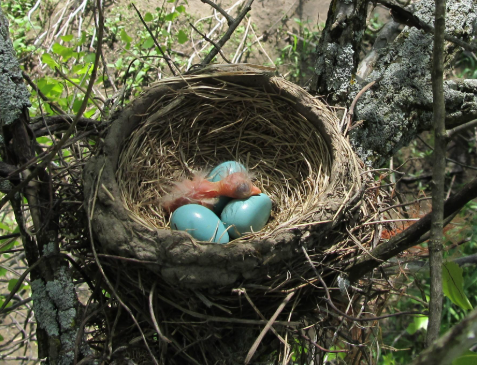
On the other hand, some birds, such as the American Robin, choose elevated locations to build their nests—typically in trees or shrubs. This choice helps protect their eggs and chicks from ground-dwelling predators. The materials used can vary widely: robins often utilize mud, grass, and twigs to create compact, sturdy structures that can withstand inclement weather.
-
- Observe local bird species to see what nests they build.
-
- Identify the materials they use and their environmental needs.
-
- Consider planting native vegetation to support local nesting birds.
-
- Be mindful of the location and season to avoid disturbing nesting areas.
2. Protection from Predators
Another significant factor in why birds build different nests is the need for safety. Many species craft intricate nests designed to deter predators. For example, the Eurasian Wren builds a domed nest with a concealed entrance, making it challenging for predators to reach the eggs inside. This clever design is essential for ensuring the survival of their chicks.
Similarly, some birds, like the Black-capped Chickadee, will nest in cavities, whether natural or created by woodpeckers. These cavities provide excellent protection from both weather and predators. The use of such locations is a strategic choice that enhances the chances of successful breeding.
-
- Research local birds and their predator threats.
-
- Observe how nest design can improve chick survival rates.
-
- Consider creating birdhouses that mimic natural cavities.
-
- Participate in birdwatching to learn more about nesting habits.
3. Breeding and Social Structures
The type of nest a bird builds can also be influenced by its social structure and breeding behavior. Colonial nesting birds, like the Western Sandpiper, often build their nests close together in large groups. This collective nesting can confuse predators and increase the odds of survival for individual nests. By sharing nesting areas, they enhance protection and can benefit more from social interactions.
Conversely, solitary nesters like the Bald Eagle construct large, often quite impressive nests, which they may reuse year after year. This nesting strategy requires a significant investment in time and resources but ultimately provides a stable home for raising young eagles. These nests are built to last and can become quite massive, sometimes reaching up to 13 feet in depth!
-
- Explore the social nesting behaviors of different bird species.
-
- Note how cooperative breeding can affect nest architecture.
-
- Learn about seasonal changes in nesting habits.
-
- Witness birds in their natural habitats to appreciate their nesting behavior.
4. Climate and Temperature Considerations
Climate also plays a vital role in the type of nests that birds create. Birds in colder regions tend to build more insulated nests to protect their eggs and chicks from freezing temperatures. For instance, the House Sparrow uses materials like feathers and grasses, which help trap heat within the nest, ensuring the survival of the young during harsh winters.
In contrast, birds in warmer climates may build nests that provide ventilation and shade. The lesser-known Cactus Wren, for example, makes its nests amid cactus plants. This strategy not only provides cooling shade but also helps protect the nests from heat and potential predators. The selection of materials and location reflects an intelligent adaptation to climate conditions.
-
- Pay attention to how local climates influence nesting choices.
-
- Investigate alternative nesting materials suitable for different temperatures.
-
- Consider microenvironments that might benefit local bird species.
-
- Document any unusual nesting behaviors related to climate changes.
Understanding why birds build different kinds of nests enriches our knowledge of their behaviors and ecological needs. The next time you encounter a bird’s nest, take a moment to appreciate the thoughtful design tailored to its environment and requirements. By supporting these avian architects, we can contribute to their continued survival and flourish.