
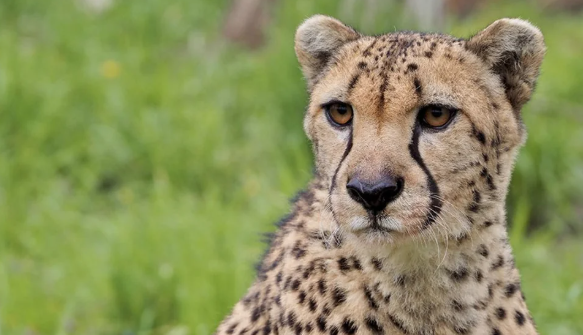
Cheetahs are known for their incredible speed and unique vocalizations that often leave people puzzled. Among these vocalizations, one of the most intriguing sounds they produce is a bird-like chirp. In this article, we’ll dive into the fascinating reasons behind this behavior.
1. Understanding Cheetah Vocalizations
Cheetahs communicate through a variety of sounds, and their vocalizations can range from growls and hisses to purrs and the chirping that has captured many people’s interest. The chirp is an essential tool for communication, especially among mothers and their young cubs. This sound is quite different from those used by other larger cats, making it a unique characteristic of the species.
The chirp resembles a bird’s call, particularly the sound made by some smaller birds. It usually serves specific purposes, such as signaling location to others. When a mother is trying to call her cubs or alert them to her presence, a high-pitched chirp can travel far in the open savanna where sound carries over distances. This is crucial for their survival in the wild.
-
- Identify the different vocalizations of cheetahs.
-
- Observe their behavior during chirping.
-
- Consider the context when they chirp.
-
- Learn about the frequency range of their sounds.
2. The Role of Chirping in Social Interaction
The chirp is not only a communication tool but also plays a fundamental role in the social dynamics of cheetah groups. Mothers often chirp to maintain contact with their cubs while they are exploring or playing. This behavior fosters bonding and ensures young cheetahs remain safe during their formative years.
In social settings, such as during a hunt or when multiple cheetahs are present, chirping can help coordinate movements. The sound acts as a way for these animals to stay connected, allowing them to inform each other of their whereabouts, especially in densely vegetated areas where visibility may be limited.
-
- Watch for chirping when cheetah mothers are with their cubs.
-
- Take note of chirping in social interactions among cheetahs.
-
- Understand the significance of tone and volume in their calls.
-
- Explore video resources that capture cheetah chirping behavior.
3. Comparative Analysis with Other Species
Cheetahs are not the only animals that use chirping as a form of communication. This vocalization is also prevalent among various bird species, as well as other animals in the wild. However, the context and purpose of chirping can differ significantly across species. For instance, birds mainly chirp to attract mates or mark territory, while cheetah chirping revolves around social connections and maintaining family ties.
Interestingly, the adaptations that allow different species to chirp can be traced back to their environments and social structures. In dens where multiple species share territory, distinct chirps help to avoid misunderstandings among animals. By understanding these comparisons, one can appreciate the evolutionary significance of vocalizations like chirping across various animals.
-
- Research vocal behaviors in different species.
-
- Compare cheetah chirping with that of birds.
-
- Analyze the environmental factors affecting vocalizations.
-
- Study recordings of various animal sounds for deeper insights.
4. Behavioral Insights and Conservation Implications
Understanding cheetah chirping can help conservationists develop better strategies for protecting these magnificent animals. Cheetahs face numerous threats in the wild, including habitat loss and human-wildlife conflict. By studying their vocalizations and social interactions, conservationists can devise techniques to minimize risks and enhance their chances of survival.
Moreover, capturing the subtleties of cheetah behavior can raise awareness about the importance of these animals in their ecosystems. Programs that educate the public on how cheetahs communicate might foster a greater appreciation, which often translates into support for conservation efforts. Encouraging community involvement is key to protecting their habitats from destruction.
-
- Take action by supporting cheetah conservation programs.
-
- Participate in wildlife monitoring projects.
-
- Engage with educational resources about cheetahs.
-
- Advocate for habitat protection and restoration initiatives.
In conclusion, the chirping of cheetahs is a unique form of communication that serves vital roles in their social structures and interactions. By exploring these vocalizations, we gain insights into their behavior and the challenges they face. Consider taking an active role in supporting conservation efforts to help protect these fascinating creatures for generations to come.