
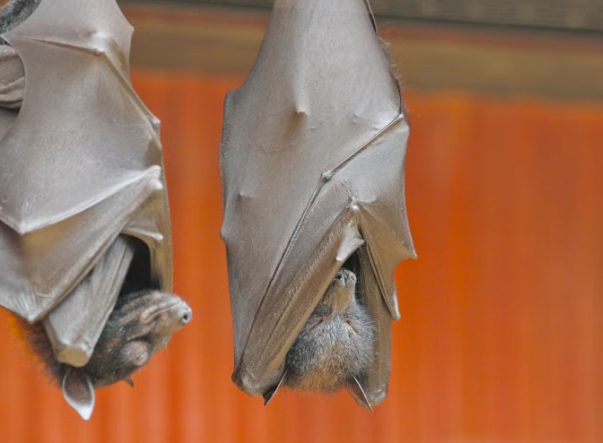
Bats are fascinating creatures often misunderstood. One of their most intriguing habits is sleeping upside down, a behavior that raises curiosity in many. This blog post dives deep into the reasons behind this unique sleeping position.
1. Evolutionary Advantage
The upside-down sleeping position of bats is primarily rooted in their evolutionary adaptations. Unlike most mammals, bat wings are modified forelimbs, making it difficult for them to take off from a level surface. By hanging upside down, they can launch themselves into flight with minimal effort, as gravity assists in their takeoff. This not only aids their mobility but also enhances their chances of escaping predators quickly.
Furthermore, this behavior offers bats strategic advantages when it comes to nesting and roosting. By hanging in remote and hard-to-reach places, bats can effectively evade threats. This height advantage minimizes the likelihood of encounters with ground-based predators, leading to increased survival rates.
-
- Study the bat species in your region to understand their nesting habits.
-
- Observe their flight patterns to see how they utilize upside-down roosting.
-
- Consider the environmental factors that affect bat roosting locations.
-
- Learn about the predators that bats face and how this behavior helps them survive.
2. Physiological Benefits
In addition to evolutionary advantages, sleeping upside down also offers physiological benefits. Bats have a unique circulatory system that helps them manage their body changes when in this position. For instance, when hanging upside down, blood flows more easily to their vital organs, particularly their brains and muscles. This natural adaptation ensures that they remain alert to any dangers that may arise during their resting periods.
Moreover, hanging allows bats to conserve energy. When roosting, they lock their feet into place using a simple system of tendons, which means they don’t need to expend energy holding on. This energy efficiency enables bats to rest for longer periods while saving energy for their nighttime activities, such as foraging and socializing.
-
- Research the unique adaptations of bats’ circulatory systems.
-
- Observe how different bat species employ energy conservation strategies.
-
- Learn about the physical changes that occur in bats while they sleep.
-
- Understand how roosting behavior varies from species to species.
3. Social Behavior and Communication
Bats are social animals, and their unique sleeping arrangement also facilitates social interaction. By roosting together in colonies, bats create a warm environment that is essential for maintaining body heat, especially for species roosting in colder climates. This social aspect of their sleeping habits not only fosters relationships among bats but also offers protection in numbers against potential threats.
Additionally, their roosting behavior allows for effective communication. While hanging together, bats can emit vocalizations, share information about foraging opportunities, and establish their social hierarchies. The ability to communicate while roosting upside down is key to the social dynamics of bat colonies.
-
- Observe bat colonies to see their social interactions and communications.
-
- Identify the sounds bats make and their significance in social structures.
-
- Learn about how environmental changes affect bat social behaviors.
-
- Consider the implications of bat social dynamics on their ecosystems.
4. Microclimate Regulation
The choice of roosting upside down significantly impacts a bat’s microclimate as well. By hanging in dark, secluded spots, bats can regulate their body temperature more effectively. The position allows for better air circulation around their bodies, helping them avoid overheating when clustered together in large groups. This adaptation is especially crucial during the hot summer months when temperatures soar.
Moreover, roosting in protected areas, such as caves or under bridges, offers bats a stable environment that shields them from harsh weather conditions. This habitats’ ability to maintain consistent temperatures contributes to the well-being of bat populations and is vital for the successful rearing of their young.
-
- Explore the types of roosting sites favored by different bat species.
-
- Investigate how temperature variations affect bat behavior.
-
- Consider the impact of climate change on bat roosting habits.
-
- Understand the role of microclimates in the survival of bats.
In conclusion, bats sleep upside down due to a combination of evolutionary advantages, physiological needs, social behaviors, and microclimate regulation. This unique trait not only aids their survival but also makes them one of nature’s most intriguing creatures. For those interested in wildlife, observing bats and their behaviors can be a rewarding experience, encouraging a deeper appreciation for these remarkable animals. Take the next step by learning more about your local bat population and how you can contribute to their conservation.