
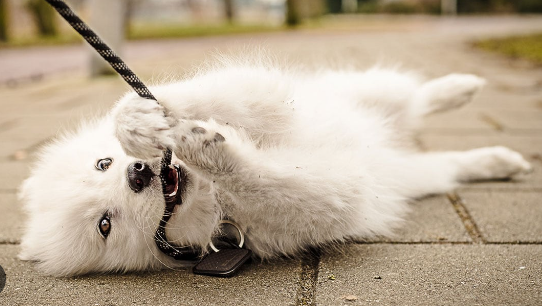
Rescuing a stray dog is a noble and rewarding endeavor, but it also presents unique challenges, especially when it comes to training. One essential skill to teach your newly adopted pup is proper leash behavior. This guide will provide you with practical tips and actionable steps to make leash training a successful and fun experience for both you and your new canine companion.
1. Understanding Your Dog’s Background
Before starting leash training, it’s crucial to understand your dog’s background, as this can significantly influence their behavior. Many rescues might have negative associations with leashes due to prior abandonment or mistreatment. This understanding allows you to approach the training process with empathy and patience.
Take note of your dog’s reactions when you first introduce the leash. If they appear fearful or aggressive, it’s essential to go at a slower pace. Spend time building trust and confidence before expecting them to walk calmly beside you. Using treats and praise can go a long way in reassuring your furry friend that the leash is not a threat.
-
- Research your dog’s breed and typical behaviors.
-
- Assess their initial reactions to the leash.
-
- Be patient and allow ample time for adjustment.
-
- Use positive reinforcements to build trust.
2. Choosing the Right Equipment
The type of leash and collar you choose can make a significant difference in your dog’s comfort and control while training. Opt for a harness that distributes pressure evenly around the body rather than a collar, which can strain the neck. Additionally, consider using a leash that is comfortable for you to hold and allows for easy adjustments.
For dogs that pull excessively, a front-clip harness can prevent them from gaining too much momentum. It’s also a good idea to avoid retractable leashes during training sessions as they can lead to inconsistent behavior and make control more challenging. Investing in quality equipment suited for your dog’s size and behavior can streamline your training efforts.
-
- Select a non-restrictive harness for comfort.
-
- Choose a sturdy leash, preferably 4-6 feet long.
-
- Avoid retractable leashes initially.
-
- Ensure all equipment fits properly and is in good condition.
3. Establishing a Training Routine
Consistency is crucial in leash training, especially for a rescued dog who may need to learn foundational skills from scratch. Establish a routine that incorporates short, frequent training sessions, preferably at times when your dog is alert but not overly excited or tired. A clear, structured routine can help your dog know what to expect and when.
During each session, practice basic commands like “sit” and “stay” while the leash is on. This not only teaches leash manners but also reinforces obedience. Be sure to reward your dog with treats for their good behavior, which helps to create positive associations with walking on a leash.
-
- Schedule training sessions at regular times daily.
-
- Keep sessions short—around 10-15 minutes.
-
- Use treats to reward positive behavior.
-
- Gradually increase distractions as your dog improves.
4. Addressing Common Issues
Leash training can come with its fair share of challenges, especially with a rescued dog who may be unsure of their surroundings. Common issues include pulling, excessive barking, and fear of other dogs or people. Addressing these issues requires patience and a tailored approach based on your dog’s individual needs.
When your dog pulls on the leash, stop walking and wait for them to return to your side before proceeding. This technique, called “stop and go,” reinforces the idea that pulling will not get them where they want to go. Likewise, if barking occurs, distract your dog with a command or treat instead of allowing the behavior to escalate.
-
- Practice the “stop and go” technique for pulling.
-
- Distract your dog during barking with a command.
-
- Gradually expose them to new environments.
-
- Utilize a calming voice to reassure your dog.
5. Celebrating Progress and Keeping It Fun
Training should be a positive experience for both you and your dog. Celebrate their milestones, no matter how small. This could include simply walking a few feet without pulling, being calm around distractions, or successfully following commands. Remember that every little achievement is a step towards building a better walking experience.
Engage your dog with fun activities like “leash games” where they get to practice walking next to you while also getting their energy out. Incorporating play as a part of your training routine can reduce stress for both you and your dog. This approach not only makes training enjoyable but also strengthens your bond.
-
- Celebrate small milestones to keep morale high.
-
- Incorporate play into the training process.
-
- Maintain a positive attitude to encourage your dog.
-
- Adjust your techniques based on your dog’s unique responses.
Training a rescued dog can be a deeply fulfilling journey, filled with moments of joy and connection. By focusing on understanding your dog’s background, choosing the right equipment, and maintaining a consistent routine, you can create a rewarding leash training experience. Don’t hesitate to consult a professional trainer for additional guidance if needed, as they can tailor approaches to suit your rescue dog’s unique needs.