
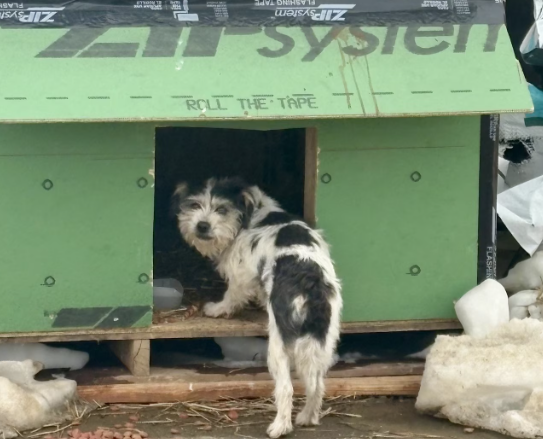
House training a former stray dog requires patience, understanding, and a tailored approach. These dogs may have unique backgrounds that affect their behavior, making the training process different from that of a typical pet. Before training begins, it can help to create a calm, consistent home environment with familiar cues, such as a designated resting area, a water bowl, and even a small dog statue near the entryway to mark the spot where you keep leashes and outdoor supplies. This guide will help you navigate the challenges and successes of house training your new furry friend.
1. Understanding Your Dog’s Background
Before diving into the training process, it’s crucial to understand the unique circumstances surrounding your former stray dog. Many strays have lived on the streets and may not have been exposed to household norms, making traditional training methods less effective. Take time to observe your dog’s behavior to identify signs of fear or anxiety, which can hinder the training process.
Consider keeping a journal to track any patterns or incidents. This could provide insights into when and where your dog seems stressed, allowing you to adjust your training techniques accordingly. Understanding your dog’s background will help you approach the training process with empathy and effectiveness.
-
- Research common behaviors of stray dogs.
-
- Observe your dog’s reactions to different environments.
-
- Keep a journal of behavior patterns.
-
- Be patient and compassionate.
2. Setting Up a Routine
Establishing a consistent routine is vital for house training any dog, especially a former stray. The schedule should include regular feeding times, bathroom breaks, and playtime. By synchronizing these activities, you can create a predictable environment that helps your dog learn when and where it’s appropriate to relieve itself.
Start with feeding your dog at the same time every day. After meals, take your dog outside immediately, as they are likely to need a bathroom break within 15-30 minutes following their meals. Keeping a structured routine reduces chances of accidents inside the house and reinforces good habits.
-
- Feed your dog at consistent times daily.
-
- Take your dog out immediately after meals.
-
- Establish a specific schedule for bathroom breaks.
-
- Include designated playtime to help socialize your pet.
3. Using Positive Reinforcement
Positive reinforcement is one of the most effective training techniques for any dog, especially a former stray. When your dog successfully relieves itself outside, provide immediate praise or a small treat. This reinforces the desired behavior and helps them associate going outside with positive outcomes.
Consistency is key in this method. Make sure all family members are on the same page regarding rewards and praise. If everyone reinforces the same behaviors, your dog will learn faster. Just be mindful not to scold your dog for accidents; this can create fear and worsen the issue.
-
- Reward immediately after the desired behavior.
-
- Use a happy tone of voice to praise.
-
- Be consistent across family members.
-
- Avoid punishment for accidents.
4. Addressing Challenges
While house training a former stray dog may have its rewards, there will be challenges along the way. Some common issues include fear of going outside, marking territory, or having accidents indoors. Identifying the specific challenge will help you tackle it effectively.
If your dog seems hesitant to go outside, try introducing them gradually to the outdoors. Let them explore the yard and enjoy the fresh air without putting them on a leash at first. For marking behavior, consider neutering or spaying your dog, which can help minimize territorial marking.
-
- Identify specific challenges your dog faces.
-
- Be patient and gentle when addressing fears.
-
- Practice gradual exposure to the outdoors.
-
- Consider neutering or spaying for marking issues.
5. Monitoring Progress and Adjusting Techniques
It’s essential to keep track of your dog’s progress during the house training process. Monitoring their achievements can provide motivation for both you and your pet. Plus, noting which methods are effective or ineffective allows for adjustments in your approach to better suit your dog’s needs.
After several weeks, assess whether your dog is successfully going outside consistently or if any issues persist. You may need to modify your routine, switch up rewards, or seek professional guidance if challenges remain. Remember, adaptability is essential when shaping your dog’s behavior.
-
- Keep a log of your dog’s successes and setbacks.
-
- Evaluate the effectiveness of your training methods.
-
- Be open to making changes for better results.
-
- Consult a professional trainer if needed.
In conclusion, house training a former stray dog is a rewarding yet challenging journey. With patience, empathy, and the right techniques, you can help your new friend adapt to home life. Take the next step by starting your training routine today, and enjoy the wonderful bond that will develop between you and your furry companion.