
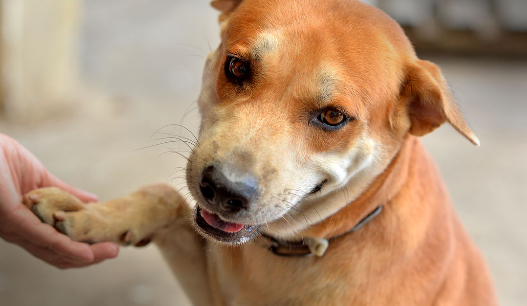
Bringing a newly rescued stray dog into your home can be a heartwarming experience, but it also comes with its own set of challenges. Establishing a routine is crucial for helping your new furry friend adjust to their new environment and feel secure.
1. Creating a Safe Space
Before introducing your new pet to the entire house, create a safe and comfortable area where they can acclimate. This space should include a cozy bed, water, food, and a few toys. Keeping them confined to a smaller area initially can help them feel less overwhelmed and allow them to explore their surroundings at their own pace.
Consider using baby gates or playpens to limit access to critical areas until they become more comfortable. Make sure to monitor their behavior and body language; signs of stress or anxiety, like pacing or excessive barking, indicate they need more time in their safe area.
-
- Choose a quiet corner of your home for their safe space, perhaps near a familiar household feature like a bookshelf or a small dog statue, as long as the area remains calm and uncluttered.
-
- Add familiar scents, such as a blanket they’ve previously used.
-
- Provide food and water in designated bowls.
-
- Include chews or toys to keep them engaged.
-
- Gradually introduce them to larger areas of the house.
2. Establishing a Feeding Routine
Consistency in feeding not only helps with your dog’s digestion but can also foster a sense of security. Start by feeding them at the same times every day, which helps them learn when to expect meals. Choose high-quality pet food appropriate for their age, size, and dietary needs. Remember that some rescued dogs may be underweight and need a gradual increase in food intake to avoid digestive issues.
You may want to divide their feedings into two or three smaller meals a day instead of one large meal. This approach is especially helpful if the dog has been previously starved, as it allows them to adjust slowly and safely to their new feeding schedule.
-
- Choose a specific feeding time (e.g., morning and evening).
-
- Ensure the food is suitable for their needs (age, size, and health).
-
- Gradually transition to new food if changing their diet.
-
- Observe their eating habits; adjust portions as needed.
-
- Keep their feeding area clean and separate from their sleeping area.
3. Daily Exercise and Playtime
Daily exercise is vital for your dog’s physical and mental well-being. Depending on their breed, size, and energy level, daily walks or play sessions may vary in duration and intensity. Engaging them in regular physical activity not only helps them release pent-up energy but also provides crucial opportunities for bonding and training.
Start with short and manageable walks, gradually increasing the length and speed as your dog becomes more comfortable. Interactive games like fetch or tug-of-war can also be introduced to stimulate their mind and strengthen your connection. Always pay attention to your dog’s energy levels and adjust the exercise routine as needed.
-
- Set aside time for at least 30 minutes of exercise per day.
-
- Rotate between different types of play (fetch, tug, agility training).
-
- Observe leash training, especially in outdoor environments.
-
- Consider joining a local dog group for socialization.
-
- Monitor for signs of fatigue and know when to take breaks.
Creating a routine for your newly rescued stray dog can take time, patience, and persistence. However, through a well-thought-out approach to their environment, feeding, and exercise, you can help them transition into a happy and well-adjusted member of your family. Embrace the journey, and your efforts will ultimately lead to a bond that is truly rewarding!
As you embark on this exciting journey with your new canine companion, remember that each dog is unique, and patience is key. Don’t hesitate to consult with a veterinarian or a professional dog trainer for tailored advice to help your dog succeed in their new home.